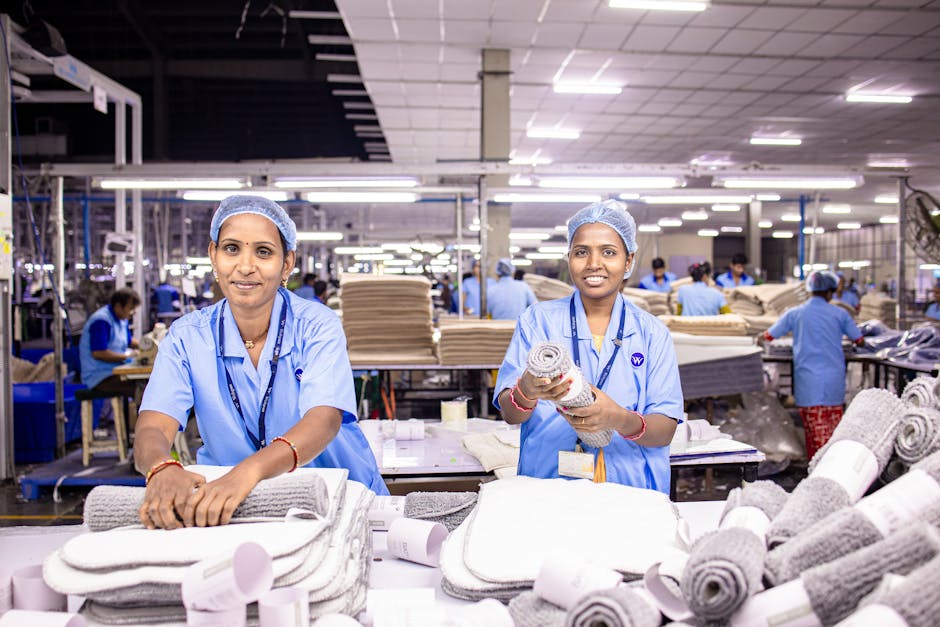
- India’s GDP has surged to 7.7%, driven by strong performances in the manufacturing and services sectors.
- The growth rate indicates the country’s economy is showing resilience in the face of global economic uncertainty.
- India’s economic policies are having a positive impact, as evident from the notable increase in the GDP growth rate.
- The manufacturing sector is driving growth, with key industries such as automotive and pharmaceuticals leading the way.
- The services sector, particularly IT and financial services, is also performing well, contributing to economic growth.
India’s GDP has beaten estimates to grow at 7.7%, driven by strong performances in the manufacturing and services sectors. This growth is significant, as it indicates the country’s economy is showing resilience in the face of global economic uncertainty. The 7.7% growth rate is a notable increase, and it matters because it suggests that India’s economic policies are having a positive impact.
Evidence of Growth

The latest GDP figures are backed by hard data, with the manufacturing sector growing at a rapid pace. According to official statistics, the manufacturing sector has seen a significant increase in production, with key industries such as automotive and pharmaceuticals driving growth. Primary sources, including government reports and industry surveys, also indicate that the services sector is performing well, with IT and financial services being major contributors. For example, Reuters reports that India’s IT sector has seen a significant increase in exports, which has helped to drive economic growth.
Key Players

The key actors in India’s economic growth story are the government, industry leaders, and consumers. The government has implemented policies aimed at boosting economic growth, such as investing in infrastructure and reducing regulatory barriers. Industry leaders have responded by increasing investment and hiring, which has helped to drive growth. Consumers have also played a crucial role, with increasing demand for goods and services helping to fuel economic expansion. For instance, the Indian government’s Make in India initiative has helped to attract foreign investment and boost manufacturing growth.
Trade-Offs

While India’s economic growth is a positive development, there are also potential trade-offs to consider. One of the main costs of rapid economic growth is inflation, which can erode the purchasing power of consumers. There are also risks associated with over-reliance on certain sectors, such as IT, which can make the economy vulnerable to external shocks. However, the benefits of economic growth, including increased employment and higher living standards, are likely to outweigh the costs. As the BBC notes, India’s economic growth has helped to reduce poverty and improve living standards for millions of people.
Timing

The timing of India’s economic growth is significant, as it comes at a time when the global economy is facing uncertainty. The COVID-19 pandemic has had a major impact on economies around the world, and India’s growth is a notable exception. The country’s economic resilience is likely due to a combination of factors, including its large domestic market, diverse economy, and proactive government policies. As the AP reports, India’s economy has been able to weather the storm of the pandemic, and is now poised for further growth.
Where We Go From Here
Looking ahead, there are several possible scenarios for India’s economy over the next 6-12 months. One scenario is that the economy will continue to grow at a rapid pace, driven by strong performances in the manufacturing and services sectors. Another scenario is that the economy will slow down, due to external factors such as a global recession. A third scenario is that the economy will experience a period of consolidation, with growth moderating to a more sustainable rate. As the Guardian notes, India’s economy is likely to face challenges in the coming months, but its long-term prospects remain positive.
Bottom line, India’s GDP growth of 7.7% is a significant achievement, and suggests that the country’s economy is on the right track. With the right policies and investments, India has the potential to become one of the world’s leading economies, and its growth is likely to have a major impact on the global economy.
Source: Reddit