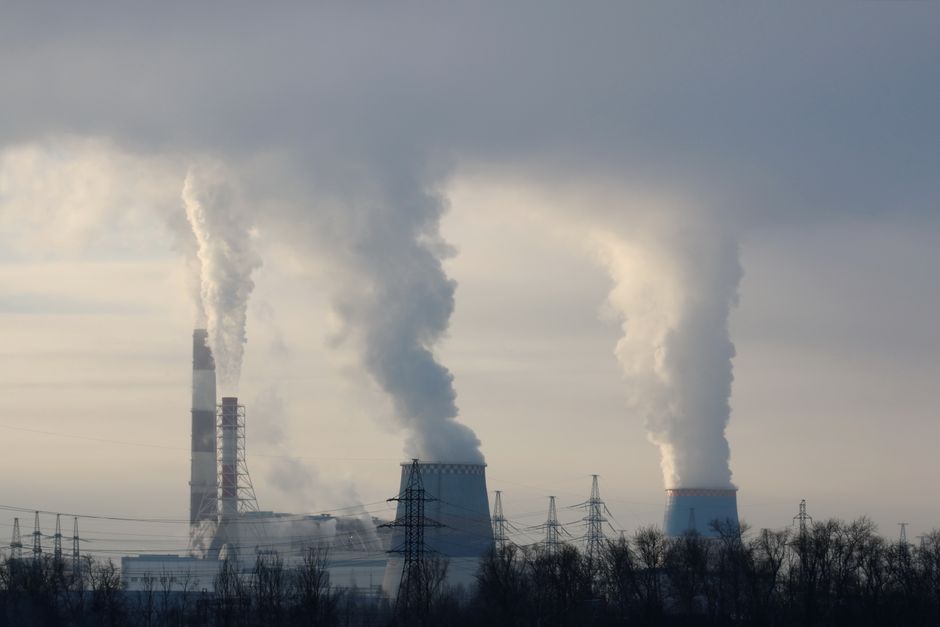
- President Trump announces $700m investment in coal industry to boost domestic energy production.
- Investment aimed at reducing US reliance on foreign energy sources and mitigating rising costs.
- Conflict with Iran drives up energy costs, prompting Trump administration to act.
- Coal investment expected to increase domestic energy production and reduce market exposure.
- Industry leaders welcome move, but environmental groups express concerns about emissions.
President Trump has announced a $700m investment in the coal industry, utilizing wartime powers to direct funds towards domestic energy production. This move comes as the ongoing conflict with Iran drives up energy costs for Americans. The investment is intended to reduce the country’s reliance on foreign energy sources and mitigate the impact of rising costs on households and businesses.
Evidence of Energy Price Volatility

According to data from the US Energy Information Administration, the price of crude oil has increased by over 10% since the start of the year, resulting in higher energy costs for consumers. Primary sources, including the BBC, report that the conflict with Iran has disrupted global energy markets, leading to price volatility. The $700m investment in coal is expected to increase domestic energy production and reduce the country’s exposure to international market fluctuations.
Key Players in the Energy Sector

The Trump administration’s decision to invest in coal has been welcomed by industry leaders, who argue that it will help to create jobs and stimulate economic growth. However, environmental groups have expressed concerns about the impact of increased coal production on greenhouse gas emissions and air quality. Key actors, including the US Department of Energy and the Environmental Protection Agency, will play a crucial role in implementing and regulating the investment.
Trade-Offs in Energy Policy

The investment in coal represents a trade-off between energy security and environmental concerns. While increased domestic energy production can reduce reliance on foreign sources and create jobs, it also poses risks to the environment and public health. The costs and benefits of the investment will need to be carefully weighed, with policymakers considering the potential impacts on energy prices, employment, and the environment. The New York Times reports that the administration’s energy policy has been criticized for prioritizing economic growth over environmental protection.
Timing of the Investment

The timing of the investment is significant, coming as it does during a period of heightened tensions with Iran. The conflict has driven up energy costs and highlighted the need for increased domestic energy production. The Trump administration’s decision to utilize wartime powers to direct funds towards coal production reflects the urgency of the situation and the need for swift action to mitigate the impact of rising energy costs on the US economy.
Where We Go From Here
Over the next 6-12 months, three scenarios are possible: firstly, the investment in coal could lead to increased domestic energy production and reduced reliance on foreign sources, resulting in lower energy costs for consumers. Secondly, the investment could be met with resistance from environmental groups, leading to regulatory challenges and potential delays. Thirdly, the conflict with Iran could escalate, leading to further disruptions to global energy markets and increased pressure on the US economy. The outcome will depend on a range of factors, including the effectiveness of the investment, the response of regulatory bodies, and the trajectory of the conflict with Iran.
Bottom line: the Trump administration’s decision to invest $700m in coal using wartime powers reflects a calculated attempt to reduce the country’s reliance on foreign energy sources and mitigate the impact of rising energy costs on the US economy, but the outcome will depend on a range of complex factors and uncertainties.
Source: BBC