- A new study links repeated teen cannabis use to disrupted dopamine-related brain development, impacting motivation and reward systems.
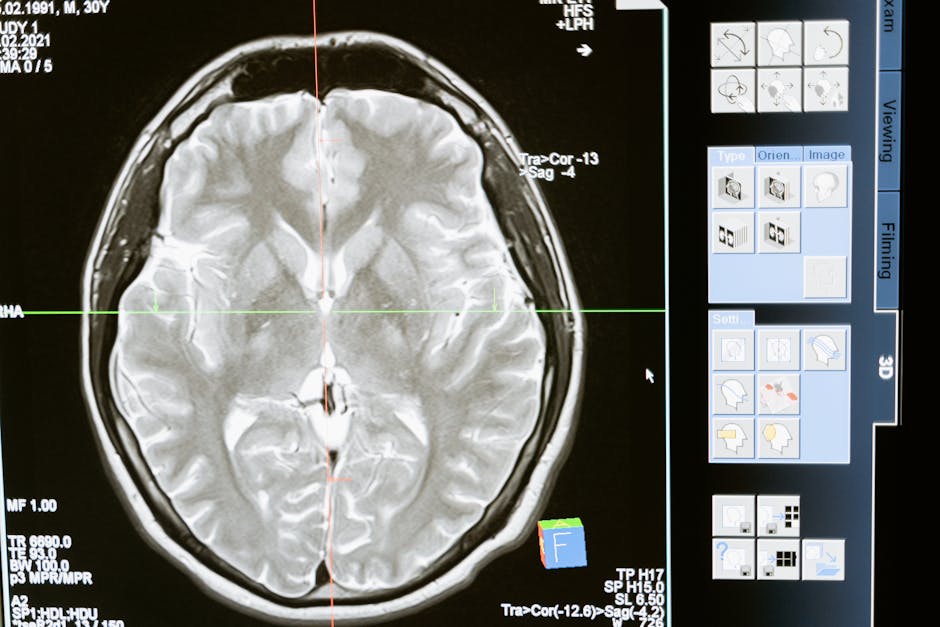
- MRI data revealed structural and functional differences in adolescent brains of regular cannabis users compared to non-users.
- Brain regions responsible for motivation, reward, and impulse control showed significant alterations due to cannabis exposure.
- Altered dopamine signaling, crucial for regulating pleasure and motivation, was observed in teens who frequently used cannabis.
- The study reinforces concerns about the potential risks and long-term consequences of early cannabis use during critical developmental stages.
Researchers at Bradley Hospital have found that repeated cannabis use during adolescence may disrupt dopamine-related brain development, according to a new study. The findings, based on MRI data, suggest that cannabis use is associated with differences in brain regions involved in motivation and reward, which are crucial for healthy development. As cannabis use becomes increasingly prevalent among teenagers, this study highlights the potential risks and consequences of early exposure to the substance.
Evidence from Brain Imaging Studies

The study utilized magnetic resonance imaging (MRI) to examine the brain structure and function of adolescents who used cannabis regularly. The data revealed significant differences in brain regions responsible for motivation, reward, and impulse control, compared to those who did not use cannabis. Specifically, the study found that repeated cannabis use was associated with altered dopamine signaling, which plays a critical role in regulating motivation and pleasure. These findings are supported by previous research, which has shown that cannabis use can affect brain development, particularly during adolescence and young adulthood, as reported by the Centers for Disease Control and Prevention.
Key Players and Their Roles

The researchers at Bradley Hospital, led by a team of neuroscientists and psychiatrists, conducted the study to investigate the effects of cannabis use on adolescent brain development. The team used a longitudinal design, following a group of teenagers over several years to examine the relationship between cannabis use and brain changes. The study’s findings have significant implications for policymakers, healthcare providers, and parents, who must navigate the complexities of cannabis use and its potential consequences for young people. As noted by the World Health Organization, cannabis use can have negative effects on mental health, particularly in adolescents and young adults.
Trade-Offs and Risks

While some argue that cannabis use has potential therapeutic benefits, the study’s findings highlight the risks associated with repeated use during adolescence. The alterations in dopamine signaling and brain structure may lead to long-term consequences, including impaired cognitive function, increased risk of mental health disorders, and decreased motivation. Furthermore, the study’s results suggest that early intervention and prevention strategies are critical to mitigating the negative effects of cannabis use on brain development. However, more research is needed to fully understand the potential benefits and risks of cannabis use, as well as the most effective approaches to addressing its consequences.
Timing and Context

The study’s findings are particularly relevant in the current context, as cannabis use becomes increasingly normalized and accessible to young people. The legalization of cannabis in several countries and states has led to a growing perception that the substance is safe and harmless. However, the study’s results underscore the need for caution and careful consideration of the potential risks and consequences of cannabis use, particularly during adolescence and young adulthood. As the New York Times has reported, the cannabis industry is rapidly expanding, and its marketing efforts often target young people, highlighting the need for increased awareness and education about the potential risks of cannabis use.
Where We Go From Here
Looking ahead, the study’s findings suggest several potential scenarios for the next 6-12 months. Firstly, policymakers may re-examine existing laws and regulations surrounding cannabis use, particularly with regards to age restrictions and access to the substance. Secondly, healthcare providers may prioritize early intervention and prevention strategies, including education and counseling programs, to mitigate the negative effects of cannabis use on brain development. Finally, further research is needed to fully understand the long-term consequences of cannabis use and to develop effective treatments for cannabis-related disorders. Ultimately, a comprehensive approach that balances the potential benefits and risks of cannabis use is essential to protecting the health and well-being of young people.
In conclusion, the study’s findings provide compelling evidence that repeated teen cannabis use may disrupt dopamine-related brain development, highlighting the need for caution and careful consideration of the potential risks and consequences of cannabis use, particularly during adolescence and young adulthood. As the cannabis landscape continues to evolve, it is essential to prioritize education, research, and evidence-based policies to protect the health and well-being of young people.
Source: MedicalXpress