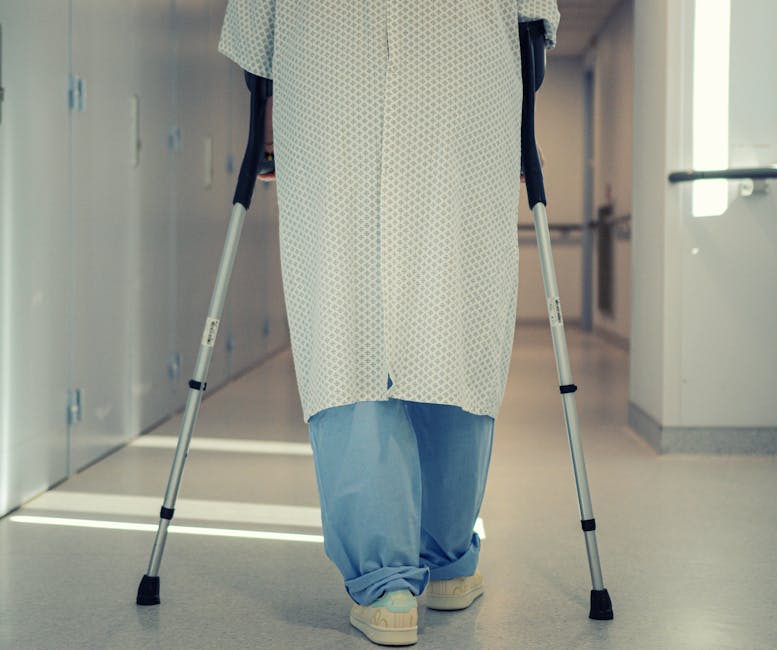
- Exoskeletons can significantly improve mobility and quality of life for individuals with cerebral palsy, enabling unprecedented independence.
- Studies have shown that exoskeleton use reduces secondary health complications, such as pressure sores and joint deformities, for cerebral palsy patients.
- The development and implementation of exoskeletons involve collaboration between researchers, manufacturers, healthcare providers, and advocacy groups.
- Exoskeleton technology is expected to revolutionize the lives of cerebral palsy patients worldwide, with a significant impact on their mobility and confidence.
- The use of exoskeletons may lead to a reduction in healthcare costs associated with treating secondary health complications in cerebral palsy patients.
Cerebral palsy, the most common disability that starts in childhood, affects approximately 50 million people worldwide, with exoskeletons now becoming a reality for those in need. The emergence of these advanced devices is set to revolutionize the lives of cerebral palsy patients, providing them with unprecedented mobility and independence. As researchers and manufacturers continue to refine this technology, it is essential to consider the broader implications and potential challenges that lie ahead.
Evidence of Effectiveness

Studies have shown that exoskeletons can significantly improve the mobility and quality of life for individuals with cerebral palsy. For instance, a recent study published on NCBI highlighted the benefits of exoskeleton use in patients with cerebral palsy, demonstrating improved gait patterns and increased confidence. Furthermore, data from the CDC suggests that the use of exoskeletons can lead to a reduction in secondary health complications, such as pressure sores and joint deformities, thereby reducing the overall burden on the healthcare system.
Key Players and Recent Developments

The development and implementation of exoskeletons for cerebral palsy patients involve a range of key actors, including researchers, manufacturers, healthcare providers, and advocacy groups. Companies like ReWalk and Ekso Bionics are at the forefront of this technology, working closely with medical professionals and patient organizations to ensure that these devices meet the needs of those who require them. Recent moves, such as the launch of new exoskeleton models and expanded clinical trials, demonstrate the ongoing commitment to improving the lives of cerebral palsy patients.
Trade-Offs and Challenges

While the advent of exoskeletons for cerebral palsy patients is undoubtedly a positive development, there are several trade-offs and challenges that must be considered. The high cost of these devices, for example, may limit accessibility for many patients, particularly those in low-income countries or without adequate insurance coverage. Additionally, the need for ongoing maintenance, repairs, and training can be a significant burden for both patients and healthcare providers. Moreover, the risk of adverse events, such as skin irritation or device malfunction, must be carefully managed to ensure the safe and effective use of exoskeletons.
Timing and Future Directions

The emergence of exoskeletons for cerebral palsy patients is a timely response to the growing need for innovative solutions in the field of rehabilitation medicine. As the global population ages and the prevalence of cerebral palsy continues to rise, the demand for effective treatments and assistive technologies will only increase. The development of exoskeletons is, in part, a response to this trend, with researchers and manufacturers seeking to create devices that are not only effective but also affordable, user-friendly, and adaptable to the diverse needs of cerebral palsy patients.
Where We Go From Here
Looking ahead to the next 6-12 months, there are several possible scenarios that may unfold. Firstly, we may see a significant expansion in the availability and accessibility of exoskeletons, driven by advances in technology and reductions in cost. Secondly, there may be a growing focus on the development of personalized exoskeletons, tailored to the specific needs and abilities of individual patients. Finally, we may witness a shift towards the integration of exoskeletons with other rehabilitative technologies, such as virtual reality and artificial intelligence, to create a more comprehensive and effective treatment approach.
In conclusion, the advent of exoskeletons for cerebral palsy patients marks a major breakthrough in the field of rehabilitation medicine, offering new hope and opportunities for those affected by this condition. As we move forward, it is essential to prioritize ongoing research, development, and collaboration to ensure that these devices are safe, effective, and accessible to all who need them.
Source: MedicalXpress