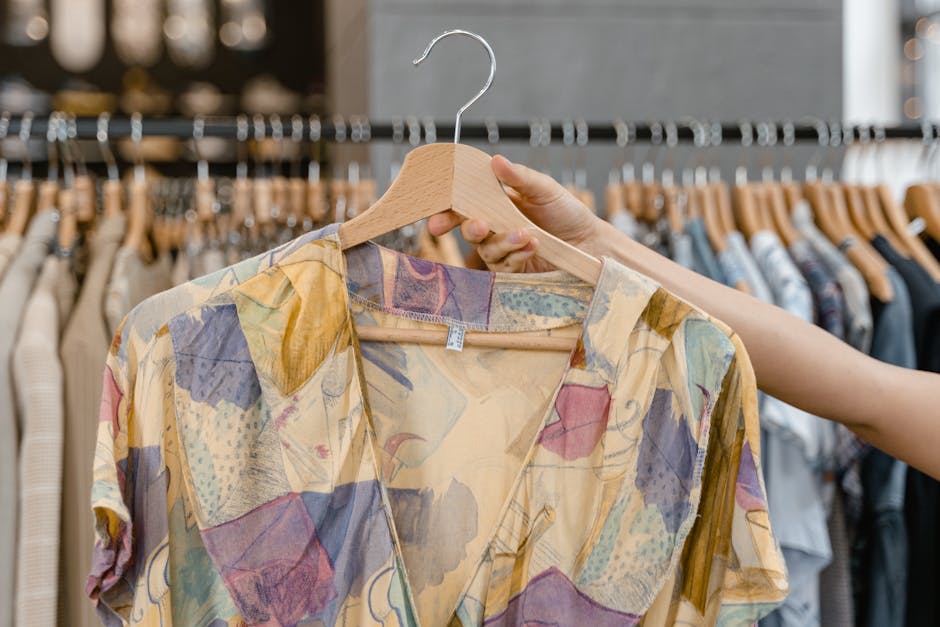
- Vinnies op-shop fashion show in Melbourne showcased affordable and sustainable fashion options, promoting second-hand shopping as an alternative to fast fashion.
- The event highlighted the potential of op-shop fashion to be both stylish and budget-friendly, with outfits costing just $25.
- Second-hand shopping reduces the demand for new, resource-intensive clothing, making it a more sustainable choice for consumers.
- Vinnies, with its long history of providing affordable clothing options, is well-positioned to promote sustainable fashion through op-shop shopping.
- The op-shop fashion show brought together volunteers, donors, and community members to celebrate the creativity and potential of second-hand fashion.
The St Vincent de Paul Society, also known as Vinnies, has taken a creative approach to promoting sustainable fashion with a recent op-shop fashion show in Melbourne. Five local branches of the charity network teamed up to put on a parade at Footscray’s Bluestone Hall, featuring outfits sourced from their donation bins and styled and modelled by volunteers. The event highlights the potential for second-hand shopping to be both affordable and fashionable, with each outfit costing just $25.
Background and Context

The concept of op-shop fashion is not new, but it has gained significant attention in recent years due to growing concerns about the environmental impact of the fashion industry. Fast fashion, in particular, has been criticized for its contribution to waste and pollution. In contrast, second-hand shopping offers a more sustainable alternative, reducing the demand for new, resource-intensive clothing. Vinnies, with its long history of providing affordable clothing options, is well-positioned to promote this approach to fashion.
The Fashion Show

The Vinnies op-shop fashion show was a unique event that brought together volunteers, donors, and community members to celebrate the creativity and potential of second-hand fashion. The show featured a range of outfits, from casual wear to more formal attire, all of which were sourced from Vinnies donation bins. The volunteers who modelled the outfits were also involved in styling them, adding a personal touch to each look. This community-driven approach to fashion not only promotes sustainability but also fosters a sense of connection and creativity among participants.
Analysis and Impact

The success of the Vinnies op-shop fashion show can be seen as part of a broader trend towards more sustainable and conscious consumerism. As consumers become increasingly aware of the environmental and social impacts of their purchasing decisions, there is a growing demand for alternatives to fast fashion. Second-hand shopping, when done mindfully, can offer a more sustainable and affordable way to engage with fashion. However, it also requires a shift in how we think about clothing and fashion, valuing uniqueness, quality, and the story behind each item over the latest trends and cheap prices.
Implications and Future Directions

The Vinnies op-shop fashion show has implications that extend beyond the event itself, highlighting the potential for community-driven initiatives to promote sustainable fashion practices. By showcasing the creativity and affordability of second-hand shopping, Vinnies is encouraging consumers to rethink their relationship with fashion and consider the environmental and social impacts of their choices. As the fashion industry continues to evolve, events like this fashion show will play an important role in promoting more sustainable and conscious approaches to fashion.
Expert Perspectives
Experts in the field of sustainable fashion praise initiatives like the Vinnies op-shop fashion show for their innovative approach to promoting second-hand shopping. According to sustainability advocates, such events not only reduce waste but also encourage a more mindful and creative engagement with fashion. However, others note that while second-hand shopping is a step in the right direction, it is part of a broader need for systemic change within the fashion industry to address its environmental and social impacts.
Looking forward, the success of the Vinnies op-shop fashion show raises questions about how similar initiatives can be scaled up and integrated into mainstream fashion practices. As consumers, policymakers, and industry leaders, we must consider what steps can be taken to support and expand sustainable fashion initiatives, ensuring that they are not just fleeting trends but lasting changes in how we produce, consume, and think about fashion. For more information on sustainable fashion and how to get involved, visit WHO’s resources on clothing and the environment.
Source: The Guardian