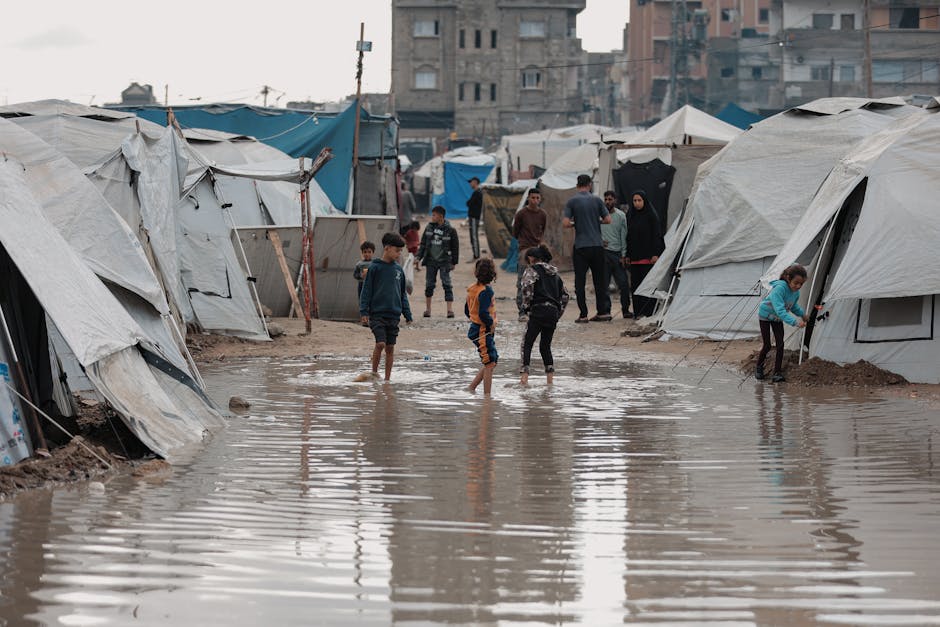
- The UN has increased its aid appeal for Lebanon to $640m to address the humanitarian crisis sparked by the Israeli war.
- The conflict has driven widespread displacement, with thousands of people forced to flee their homes in search of safety.
- The Israeli war has significantly damaged critical infrastructure, including hospitals, schools, and water treatment facilities.
- The international community is being called upon to provide critical support to Lebanon as the crisis deepens.
- A protracted conflict has far-reaching consequences for regional stability and global security.
The United Nations has boosted its aid appeal for Lebanon to nearly $640m, citing the escalating humanitarian crisis sparked by the ongoing Israeli war. The appeal, which aims to support those affected over the next six months, underscores the dire need for assistance in the region. As the conflict continues to drive displacement and exacerbate existing socio-economic challenges, the international community is being called upon to provide critical support to Lebanon.
Humanitarian Crisis Deepens

The situation in Lebanon has grown increasingly dire, with the Israeli war placing a significant strain on the country’s already fragile infrastructure. The UN’s appeal for increased funding reflects the urgent need for humanitarian assistance, including food, shelter, and healthcare, to mitigate the suffering of those affected. As the crisis deepens, the international community is being forced to confront the reality of a protracted conflict, with far-reaching consequences for regional stability and global security.
Key Developments

The UN’s aid appeal comes amidst reports of widespread displacement, with thousands of people forced to flee their homes due to the conflict. The Israeli war has also resulted in significant damage to critical infrastructure, including hospitals, schools, and water treatment facilities, further exacerbating the humanitarian crisis. As the situation continues to deteriorate, the UN and other humanitarian organizations are working to provide emergency assistance, including food, shelter, and medical care, to those in need. The United Nations has emphasized the need for a comprehensive and coordinated response to address the crisis.
Causes and Consequences

The roots of the crisis in Lebanon are complex and multifaceted, reflecting a combination of historical, political, and socio-economic factors. The Israeli war has, however, served as a catalyst, accelerating the downward spiral of violence and instability. As the conflict continues to unfold, it is clear that the consequences will be far-reaching, with potential implications for regional security, global markets, and the broader international community. According to Reuters, the crisis has already resulted in significant economic losses, with the potential for further destabilization in the months to come.
Humanitarian Implications

The humanitarian implications of the crisis in Lebanon are profound, with the potential for long-term consequences for the country and the region as a whole. The UN’s aid appeal reflects the urgent need for assistance, as thousands of people struggle to access basic necessities, including food, water, and healthcare. As the situation continues to deteriorate, it is clear that the international community must come together to provide critical support, including funding, expertise, and resources, to mitigate the suffering of those affected and promote a path towards stability and recovery.
Expert Perspectives
Experts warn that the crisis in Lebanon has the potential to destabilize the entire region, with far-reaching consequences for global security and economic stability. As the situation continues to unfold, it is clear that a comprehensive and coordinated response will be necessary to address the crisis, including diplomatic efforts to promote a ceasefire and humanitarian assistance to support those affected. According to BBC News, the international community is being forced to confront the reality of a protracted conflict, with significant implications for the Middle East and beyond.
As the situation in Lebanon continues to evolve, it is clear that the international community will be watching closely, seeking signs of progress towards a peaceful resolution and an end to the humanitarian crisis. The coming months will be critical, as the UN and other humanitarian organizations work to provide emergency assistance and promote a path towards stability and recovery. As the Al Jazeera reports, the crisis in Lebanon serves as a stark reminder of the need for diplomatic efforts to promote peace and stability in the region, and the importance of international cooperation in addressing the complex challenges of the 21st century.
Source: Al Jazeera