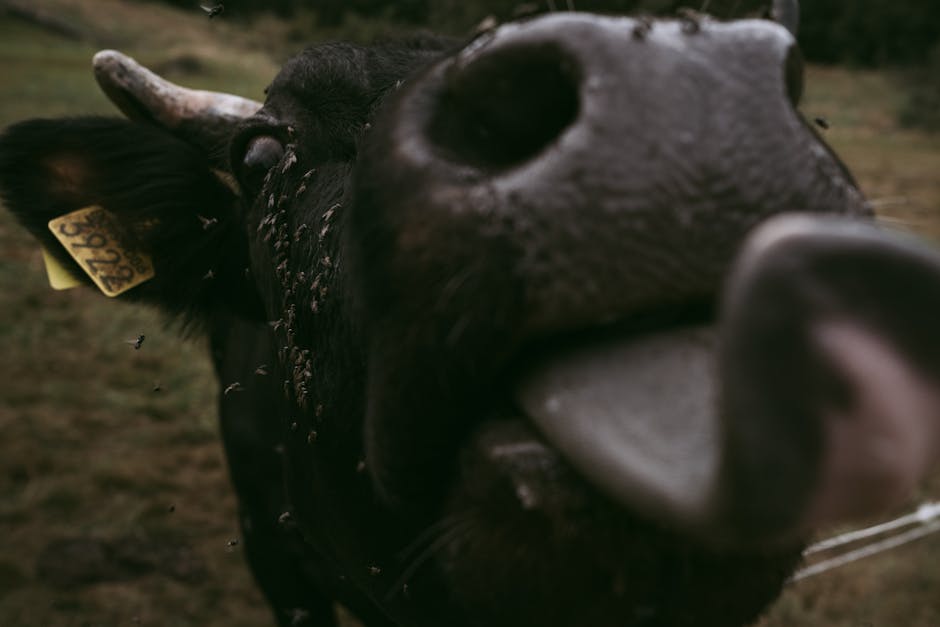
- A screwworm infestation has been detected in Texas, threatening the $113 billion cattle industry.
- The USDA is releasing 4 million sterile flies per week to combat the infestation, which has shown a 90% success rate.
- The last screwworm infestation in Texas took 30 years to eradicate, resulting in significant economic losses.
- One infected calf has been identified, and the USDA has confirmed the presence of screwworms in the affected area.
- The USDA is working closely with state and local authorities to coordinate the response efforts and eradicate the infestation.
The Texas cattle industry is facing a significant threat as a screwworm infestation has been detected in the state, prompting concerns among farmers and livestock producers. The last time the screwworm crossed into Texas, it took 30 years to eradicate, resulting in substantial economic losses. With the industry valued at $113 billion, the current infestation has sparked a rapid response from the USDA, which is dropping 4 million sterile flies a week to combat the issue.
Evidence of the Infestation

According to reports, one infected calf has been identified, and the USDA has confirmed the presence of screwworms in the area. The agency has responded by initiating a sterile fly release program, which involves dropping millions of sterile male flies into the affected area to mate with female screwworms, thereby reducing the population. This approach has been used successfully in the past to eradicate screwworms from the United States. Data from the USDA indicates that the sterile fly release program can be up to 90% effective in reducing screwworm populations.
Key Players in the Eradication Effort

The USDA is working closely with state and local authorities, as well as livestock producers, to combat the screwworm infestation. The agency has established a incident command system to coordinate the response efforts, which includes the release of sterile flies, as well as the distribution of medication to affected cattle. The Texas Cattle Feeders Association has also been actively involved in the effort, providing support and resources to affected farmers and livestock producers. Recent moves by the USDA, such as the deployment of additional personnel and resources to the affected area, demonstrate the agency’s commitment to eradicating the screwworm.
Trade-Offs and Challenges

The eradication effort is not without its challenges and trade-offs. The use of sterile flies, while effective, can be costly and logistically complex. The USDA must also balance the need to protect the cattle industry with the potential risks associated with the release of large numbers of sterile flies into the environment. Additionally, the agency must consider the potential impact on non-target species, such as wildlife and pets. The costs of the eradication effort are substantial, with estimates suggesting that the program could cost tens of millions of dollars over the next several years.
Timing of the Infestation

The timing of the screwworm infestation is particularly concerning, as it comes during a critical period for the cattle industry. The summer months are typically a time of high demand for cattle, and the infestation could potentially disrupt the market and impact prices. Furthermore, the infestation has occurred at a time when the industry is already facing significant challenges, including drought and market volatility. The USDA has noted that the infestation is likely the result of a combination of factors, including the movement of infected animals and the presence of suitable habitat for the screwworm.
Where We Go From Here
Looking ahead, there are several possible scenarios for the next 6-12 months. One scenario is that the eradication effort is successful, and the screwworm is eliminated from Texas. Another scenario is that the infestation spreads, resulting in significant economic losses for the cattle industry. A third scenario is that the eradication effort is partially successful, but the screwworm persists in certain areas, requiring ongoing management and control efforts. For more information on the screwworm and its impact on the cattle industry, visit the USDA website.
The bottom line is that the screwworm infestation in Texas poses a significant threat to the $113 billion cattle industry, and a rapid and effective response is necessary to prevent substantial economic losses. The USDA’s eradication effort, which includes the release of sterile flies, is a critical component of this response, and its success will depend on the agency’s ability to coordinate with state and local authorities, as well as livestock producers.
Source: Fortune