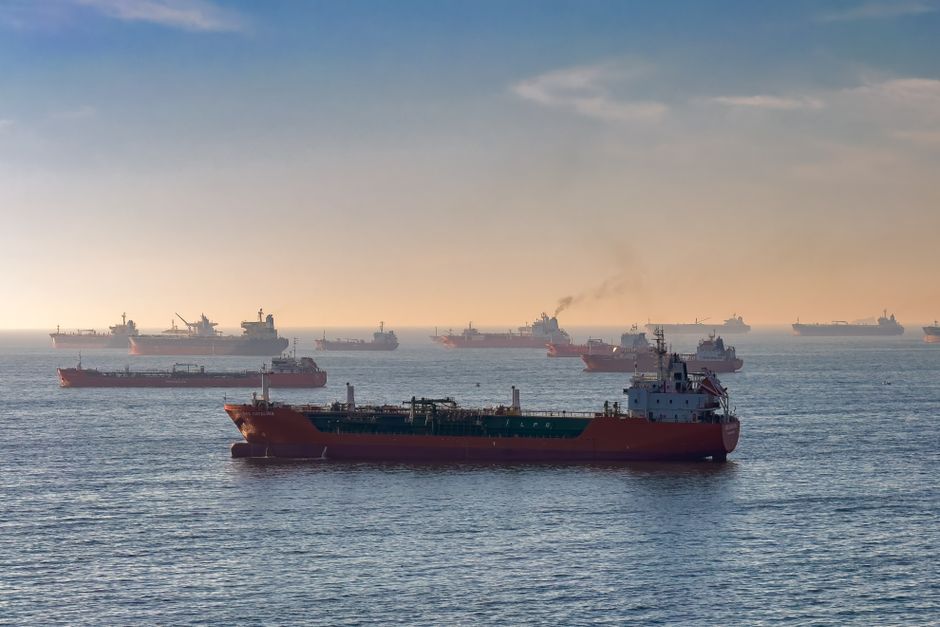
- The Strait of Hormuz standoff has brought global energy security to the forefront, raising concerns about oil supply disruptions.
- The waterway is a critical chokepoint, with 20% of the world’s oil passing through it daily, making it a vital concern for global energy markets.
- The current tensions have highlighted the need for alternative energy sources, with many experts advocating for a shift to renewables.
- The International Energy Agency reports a significant growth in renewable energy capacity in recent years, underscoring the shift towards cleaner energy sources.
- The standoff has inadvertently flipped the energy security debate, prompting experts to rethink our reliance on fossil fuels.
The question on everyone’s mind is: how has the Strait of Hormuz standoff affected the global energy landscape? The answer lies in Iran’s influence over the strategically vital waterway, which has inadvertently flipped the energy security debate on its head. As the world’s most important oil chokepoint, the Strait of Hormuz has long been a source of concern for global energy markets. However, the current standoff has brought the issue of energy security to the forefront, with many experts arguing that it’s time to rethink our reliance on fossil fuels.
What’s at Stake in the Strait of Hormuz?

The Strait of Hormuz is a critical waterway that connects the Persian Gulf to the Arabian Sea, with approximately 20% of the world’s oil passing through it every day. The current tensions between Iran and the West have raised concerns about the potential disruption of oil supplies, which could have far-reaching consequences for the global economy. However, the standoff has also highlighted the need for alternative energy sources, with many experts arguing that it’s time to invest in renewables and reduce our dependence on fossil fuels.
Supporting Evidence from the Energy Sector

Data from the energy sector suggests that the shift towards renewables is already underway. According to a report by the International Energy Agency, renewable energy capacity has grown significantly in recent years, with solar and wind power becoming increasingly cost-competitive with fossil fuels. Additionally, many countries are investing heavily in energy storage technologies, such as batteries, which will enable greater adoption of intermittent renewable energy sources. As Reuters notes, the growth of the renewable energy sector is being driven by declining costs and government policies that support the transition to a low-carbon economy.
Counter-Perspectives and Challenges

Despite the growing momentum behind the renewable energy sector, there are still many challenges and counter-perspectives to consider. Some experts argue that the transition to a low-carbon economy will be more complex and difficult than anticipated, with many countries still relying heavily on fossil fuels. Others point out that the production of renewable energy technologies, such as solar panels and wind turbines, has significant environmental impacts, including the use of rare earth metals and the generation of waste. As the New York Times notes, the shift towards renewables will require a nuanced and multifaceted approach that takes into account the complexities of the energy system.
Real-World Impact of the Energy Security Debate

The implications of the energy security debate are far-reaching and have significant real-world consequences. For example, the European Union’s renewable energy targets have driven significant investment in the sector, with many countries aiming to generate at least 32% of their energy from renewable sources by 2030. Similarly, the growth of the renewable energy sector in countries such as China and India is having a major impact on the global energy landscape, with many companies investing heavily in solar and wind power. As the BBC notes, the shift towards renewables is not only good for the environment, but also has significant economic benefits, including the creation of new jobs and industries.
What This Means For You
The energy security debate has significant implications for individuals and businesses around the world. As the shift towards renewables gains momentum, it’s likely that we’ll see significant changes in the way we generate and consume energy. For example, the growth of electric vehicles is likely to continue, with many countries investing in charging infrastructure and incentivizing the adoption of low-carbon transportation. As the Associated Press notes, the shift towards renewables is not only good for the environment, but also has significant economic benefits, including the creation of new jobs and industries.
So what’s the next step in the energy security debate? As the world continues to navigate the complexities of the energy system, it’s likely that we’ll see significant investment in renewable energy technologies and a continued shift towards a low-carbon economy. However, there are still many questions to be answered, including how we’ll balance the need for energy security with the need to protect the environment. As the Guardian notes, the energy security debate is complex and multifaceted, and will require a nuanced and informed approach to navigate the challenges and opportunities ahead.
Source: CNBC