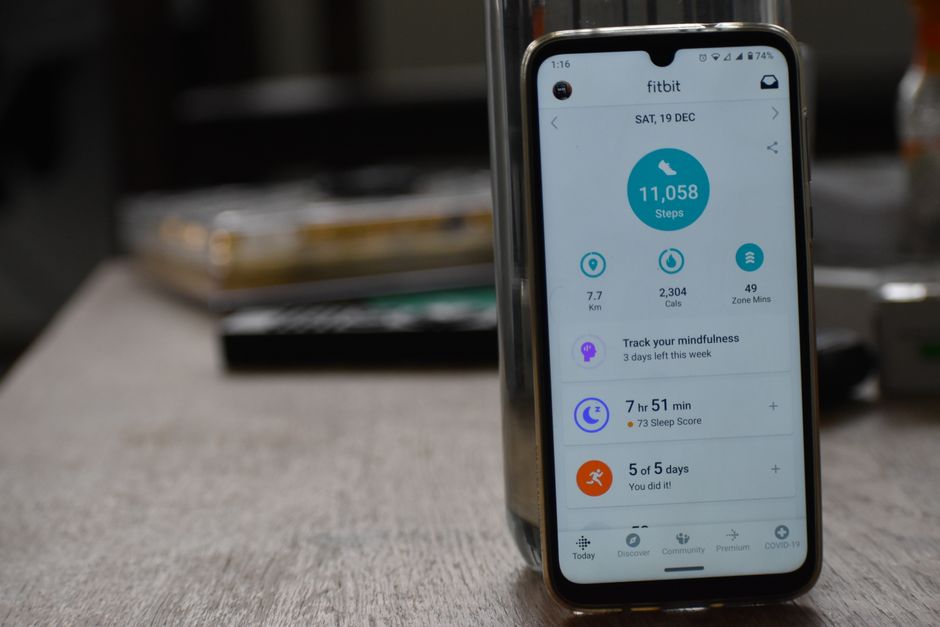
- The Fitbit Air is a reliable fitness tracker with a minimalist design and user-friendly interface.
- The device accurately tracks fitness activities, sleep patterns, steps taken, and calories burned.
- The introduction of Google’s AI Health Coach aims to enhance the user experience with personalized advice and motivation.
- The AI Coach’s effectiveness is yet to be fully realized, with its impact on the overall user experience being a different story.
- Potential buyers should understand the device’s capabilities and limitations before making a purchase decision.
The Fitbit Air has been making waves as a minimalist and reliable fitness tracker, but its integration with Google’s AI Health Coach has raised questions about the necessity of such a feature. As the wearable technology market continues to evolve, the balance between providing useful insights and overwhelming users with information has become a critical point of consideration. The Fitbit Air’s success as a fitness tracker is undeniable, but the impact of Google’s AI coach on the overall user experience is a different story, making it essential for potential buyers to understand the device’s capabilities and limitations.
What Makes the Fitbit Air a Good Wearable?

The Fitbit Air’s strengths lie in its ability to track fitness activities accurately and provide users with essential data to monitor their progress. Its minimalist design and user-friendly interface make it an attractive option for those seeking a straightforward fitness tracking experience without the clutter of unnecessary features. The device’s reliability in tracking sleep patterns, steps taken, and calories burned is commendable, positioning it as a solid choice for individuals focused on their health and wellness. However, the introduction of Google’s AI Health Coach aims to take the user experience to the next level by offering personalized advice and motivation, which, in theory, should enhance the overall fitness journey.
Evidence Supporting the Limitations of the AI Coach

Despite the potential benefits of having an AI-powered health coach, the execution in the Fitbit Air has been met with criticism. Many users find the AI’s interventions to be too frequent and not always relevant to their current fitness goals or activities. This overbearing approach can lead to a negative user experience, as the constant stream of advice and reminders can become more annoying than helpful. According to reports from Ars Technica, the AI coach’s chatty nature detracts from the otherwise positive experience of using the Fitbit Air as a fitness tracker. This feedback underscores the importance of striking the right balance between providing useful insights and respecting the user’s preference for a more straightforward, less intrusive experience.
Counter-Perspectives on the AI Coach’s Utility

Proponents of the AI Health Coach argue that its personalized approach can be highly motivational for some users, especially those who are new to fitness tracking and benefit from the guidance and encouragement. They suggest that the feature’s ability to learn the user’s habits and preferences over time could lead to more tailored and thus more effective health and fitness advice. However, skeptics point out that the current implementation falls short of this ideal, often providing generic advice that fails to consider the user’s specific goals, fitness level, or daily context. This critique highlights the ongoing challenge in AI development: creating systems that are not only intelligent but also empathetic and contextually aware.
Real-World Impact of the Fitbit Air and Its AI Coach

The real-world implications of the Fitbit Air’s performance, both as a standalone fitness tracker and as a device integrated with Google’s AI Health Coach, are significant. For individuals who value a simple, effective fitness tracking experience, the Fitbit Air delivers. However, for those who were drawn to the promise of personalized coaching, the device may not fully meet expectations. The consequences of this mixed bag are twofold: on one hand, the Fitbit Air remains a viable option for fitness enthusiasts who prioritize core tracking features; on the other hand, the underwhelming performance of the AI coach may deter potential buyers looking for a more comprehensive health and wellness solution.
What This Means For You
For potential buyers considering the Fitbit Air, it’s crucial to weigh the device’s strengths against its weaknesses. If the primary goal is to have a reliable, easy-to-use fitness tracker, then the Fitbit Air is certainly a contender. However, if the allure of personalized health coaching is a key factor in the purchasing decision, it may be wise to explore other options that better integrate AI capabilities with user needs and preferences. Ultimately, the decision should be informed by a clear understanding of what features are truly important to the individual’s fitness journey.
As the technology behind wearables and AI health coaching continues to evolve, an open question remains: how can device manufacturers and AI developers better balance the provision of useful, personalized insights with the risk of overwhelming or annoying users? The answer to this question will be pivotal in shaping the future of the wearable technology market and determining which devices will truly resonate with consumers. By focusing on user-centric design and continuously gathering feedback, there is potential for significant advancement in creating wearables that not only track fitness but also meaningfully contribute to overall health and wellness.
Source: Ars Technica