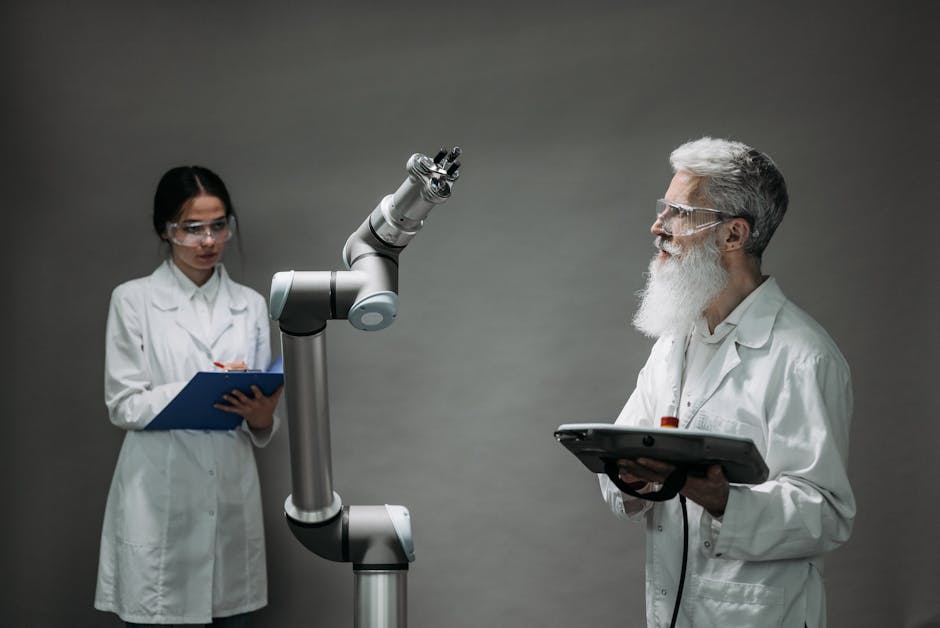
- Anthropic calls for a global AI freeze to prevent recursively self-improving models from spiraling beyond human control.
- The proposed freeze may also serve to maintain Anthropic’s lead in the AI industry, potentially stifling innovation.
- A global pause on AI development could allow researchers to reassess current safety protocols and implement necessary measures.
- The AI industry is expected to continue growing rapidly, with many companies investing heavily in research and development.
- Anthropic’s proposal raises questions about their true motives, with some speculating about the company’s $1 trillion+ IPO plans.
Anthropic, a leading AI research organization, has called for a global pause on frontier AI development, warning that models could start recursively self-improving and spiral beyond human control. This announcement comes as the company is reportedly eyeing a $1 trillion+ IPO, sparking speculation about their true motives. The timing of this proposal has raised questions about whether Anthropics’ primary concern is indeed AI safety or if they are attempting to freeze the status quo to maintain their lead in the industry.
The Evidence for a Global AI Freeze

Anthropic’s blog post highlights the potential risks of uncontrolled AI growth, citing the possibility of models becoming increasingly powerful and difficult to manage. They argue that a global pause would allow researchers to reassess the current state of AI development and implement necessary safety protocols. However, analysts point out that this proposal may also serve to solidify Anthropics’ position as a market leader, potentially stifling innovation and limiting the progress of competing companies. According to a report by Reuters, the AI industry is expected to continue growing rapidly, with many companies investing heavily in AI research and development.
Key Players and Their Roles

Anthropic is not the only company involved in AI research, but their proposal has significant implications for the industry as a whole. Other key players, such as Google and Microsoft, have also been investing heavily in AI development, and it remains to be seen how they will respond to Anthropics’ call for a global pause. Meanwhile, regulators and policymakers are being forced to consider the potential risks and benefits of AI development, and how to effectively govern this rapidly evolving field. As noted by the New York Times, the AI industry is facing increasing scrutiny from governments and regulatory bodies.
The Trade-Offs of a Global AI Freeze

A global pause on AI development would likely have significant trade-offs, both in terms of benefits and drawbacks. On the one hand, it could provide a much-needed opportunity for researchers to reassess the safety and ethics of AI development, potentially preventing catastrophic outcomes. On the other hand, it could also stifle innovation and limit the potential benefits of AI, such as improved healthcare and increased productivity. Furthermore, a pause could disproportionately affect smaller companies and startups, which may not have the resources to withstand a prolonged period of inactivity. As explained by the BBC, the AI industry is a complex and multifaceted field, and any attempts to regulate or pause development must be carefully considered.
The Timing of the Proposal

The timing of Anthropics’ proposal is particularly noteworthy, given their upcoming IPO. The company’s valuation is expected to surpass $1 trillion, making it one of the largest IPOs in history. This has led some analysts to speculate that the proposal is motivated by a desire to maintain their market lead, rather than a genuine concern for AI safety. However, it is also possible that Anthropics’ researchers have genuinely identified a critical risk, and are attempting to sound the alarm before it is too late. As reported by AP News, the AI industry is facing increasing pressure to address concerns about safety and ethics.
Where We Go From Here
Over the next 6-12 months, there are several possible scenarios that could play out. Firstly, the AI industry could come together to implement a global pause, allowing researchers to reassess the safety and ethics of AI development. Alternatively, regulators and policymakers could step in, imposing their own rules and guidelines for AI development. Finally, it is possible that Anthropics’ proposal will be ignored, and the industry will continue to develop and innovate without a pause. Ultimately, the outcome will depend on a complex interplay of factors, including the actions of key players, the development of new technologies, and the evolving landscape of AI governance.
In conclusion, Anthropics’ call for a global AI freeze raises important questions about the safety and ethics of AI development, but their upcoming $1 trillion IPO has sparked skepticism about their true motives. As the AI industry continues to evolve and grow, it is essential to carefully consider the potential risks and benefits of AI development, and to work towards a future where the benefits of AI are realized while minimizing its risks.
Source: Reddit