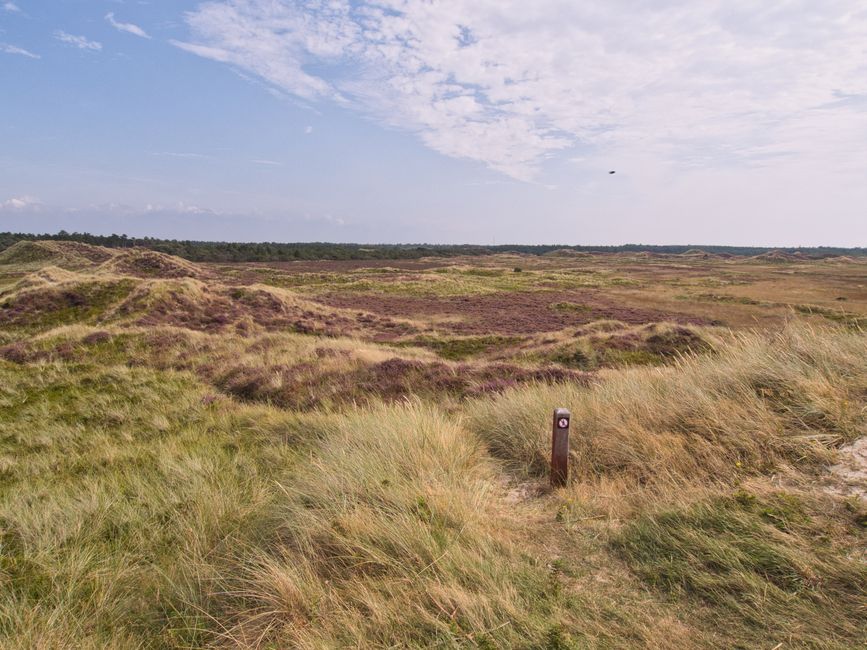
- Dorset Wildlife Trust purchases and restores 110 acres of Upton Heath to protect rare species and ecosystem.
- Fundraising efforts by the trust enabled the purchase of the heathland to ensure its conservation.
- Heathlands like Upton Heath are unique and vital ecosystems supporting many endangered plant and animal species.
- Restoration techniques include removing invasive species and reintroducing native plants to revive the ecosystem.
- Upton Heath’s restoration serves as a successful model for community-led conservation initiatives.
Dorset Wildlife Trust has started restoring 110 acres of heathland at Upton Heath, Dorset, after a successful fundraising campaign allowed the charity to purchase the land. The restoration efforts aim to preserve the unique ecosystem of the heath, which is home to various rare and endangered species. The trust’s purchase and restoration of the land mark a significant milestone in the conservation of Upton Heath, and the project’s success will have a lasting impact on the local environment and biodiversity.
Background and Importance

The restoration of Upton Heath is crucial for maintaining the delicate balance of the ecosystem and preserving the heath’s unique characteristics. Heathlands like Upton Heath are rare and fragile environments that support a wide range of plant and animal species, many of which are found nowhere else. The trust’s efforts to restore the heath will help to maintain the habitat’s integrity and ensure the long-term survival of the species that depend on it. As nature conservation efforts continue to gain momentum, the restoration of Upton Heath serves as a model for successful community-led conservation initiatives.
Restoration Efforts

The Dorset Wildlife Trust has begun implementing a range of restoration techniques to revive the heathland ecosystem. These efforts include the removal of invasive species, the reintroduction of native plant species, and the creation of habitat corridors to connect isolated areas of the heath. The trust is working closely with local communities, landowners, and conservation experts to ensure that the restoration efforts are tailored to the specific needs of the heath and its inhabitants. By adopting a collaborative approach, the trust aims to create a thriving and resilient ecosystem that will benefit both the local environment and the people who live and work in the area.
Key Players and Partnerships

The restoration of Upton Heath is a testament to the power of community-led conservation initiatives. The Dorset Wildlife Trust has worked tirelessly to raise awareness about the importance of preserving the heath and has collaborated with local stakeholders to secure funding and support for the restoration efforts. The trust’s partnership with local landowners, conservation groups, and government agencies has been instrumental in facilitating the purchase and restoration of the land. As the project progresses, the trust will continue to work with these partners to ensure that the restoration efforts are effective and sustainable in the long term.
Analysis and Implications

The restoration of Upton Heath has significant implications for the local environment and biodiversity. The preservation of the heathland ecosystem will help to maintain the area’s unique character and support a wide range of plant and animal species. The project also serves as a model for community-led conservation initiatives, demonstrating the potential for collaborative efforts to drive positive change. As the BBC reports, the restoration of Upton Heath is an important step towards preserving the UK’s natural heritage and promoting sustainable land use practices.
Expert Perspectives
Conservation experts have welcomed the restoration of Upton Heath, highlighting the importance of preserving rare and fragile ecosystems. According to Dr. Nigel Webb, a leading expert on heathland conservation, “the restoration of Upton Heath is a significant achievement that demonstrates the power of community-led conservation initiatives.” Other experts have emphasized the need for continued support and funding to ensure the long-term success of the project.
As the restoration efforts continue, it remains to be seen how the project will evolve and what challenges the trust will face in the future. One key question is how the trust will balance the needs of different stakeholders, including local communities, landowners, and conservation groups. As the project progresses, it will be important to monitor the trust’s progress and assess the effectiveness of the restoration efforts in achieving the desired outcomes.
Source: BBC