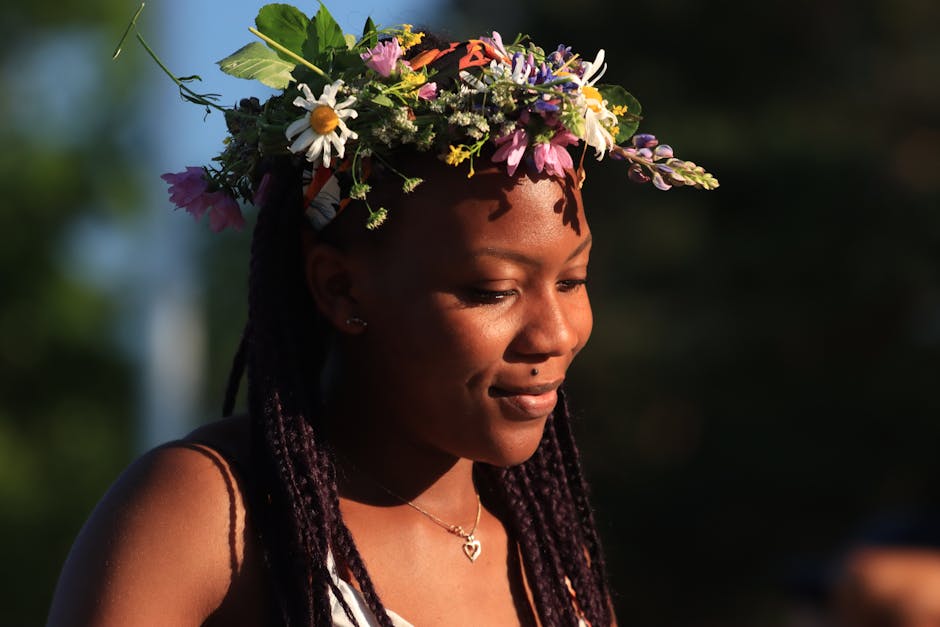
- Sweden celebrates Midsummer on the Friday between June 20th and June 26th to mark the summer solstice.
- Midsummer is a time for feasting, singing, and dancing with family and friends in the countryside.
- Traditional Swedish foods like pickled herring and new potatoes are enjoyed during Midsummer celebrations.
- Midsummer has its roots in ancient pagan traditions and celebrates the return of light and warmth.
- You can participate in Midsummer festivities from afar by cooking traditional Swedish dishes or attending local events.
As the Nordic winter comes to an end, Sweden celebrates the return of light with the festive holiday of Midsummer. This ancient tradition is a time for feasting, singing, and dancing, and is a unique opportunity to experience Swedish culture. With its rich history and vibrant festivities, Midsummer is a holiday that attracts visitors from around the world, and can be celebrated wherever you are.
What is Midsummer and How is it Celebrated?

Midsummer, also known as Midsommar, is a traditional Swedish holiday that celebrates the summer solstice. It is typically celebrated on the Friday between June 20th and June 26th, and is a time for Swedes to come together with family and friends to feast, sing, and dance. The celebrations often take place in the countryside, where people gather to pick wildflowers, dance around the maypole, and enjoy traditional foods such as pickled herring and new potatoes. For those who cannot attend the celebrations in person, there are many ways to participate in the festivities from afar, such as cooking traditional Swedish dishes or attending Midsummer events in your local community.
The History and Cultural Significance of Midsummer

Midsummer has its roots in ancient pagan traditions, and is still celebrated today with many of the same customs and rituals. The holiday is a time to celebrate the return of light and warmth after the long, dark winter, and is often associated with fertility and new life. In Sweden, Midsummer is a significant cultural event, and is often seen as a time to reconnect with nature and with traditional Swedish customs. As reported by the New York Times, Midsummer is a holiday that is deeply ingrained in Swedish culture, and is a unique opportunity to experience the country’s rich heritage.
Alternative Perspectives on Midsummer

While Midsummer is a widely celebrated holiday in Sweden, it is not without its critics. Some have argued that the holiday has become too commercialized, and that the traditional customs and rituals are being lost in the process. Others have pointed out that the holiday can be exclusionary, and that not everyone is able to participate in the festivities. However, for many Swedes, Midsummer remains a deeply meaningful and significant holiday, and is a time to come together with loved ones and celebrate the return of light and warmth.
The Real-World Impact of Midsummer

The impact of Midsummer can be seen in many areas of Swedish life, from the economy to the environment. The holiday is a significant tourist attraction, and brings in millions of dollars in revenue each year. It is also a time for Swedes to reconnect with nature, and to celebrate the country’s unique cultural heritage. As the Wikipedia page on Midsummer notes, the holiday has a profound impact on Swedish society, and is a time for people to come together and celebrate the return of light and warmth.
What This Means For You
Whether you are in Sweden or elsewhere, Midsummer is a holiday that can be celebrated by anyone. By learning about the traditional customs and rituals of the holiday, and by participating in the festivities, you can experience a unique and meaningful cultural event. So why not join in the celebrations, and discover the joy and warmth of Midsummer for yourself?
As you celebrate Midsummer, you may wonder what other traditional Swedish holidays and customs are worth exploring. From the festive holiday of Lucia, to the traditional Swedish cuisine of meatballs and lingonberry jam, there are many ways to experience Swedish culture and to learn more about this fascinating country. What will you discover about Sweden and its rich cultural heritage?
Source: The New York Times