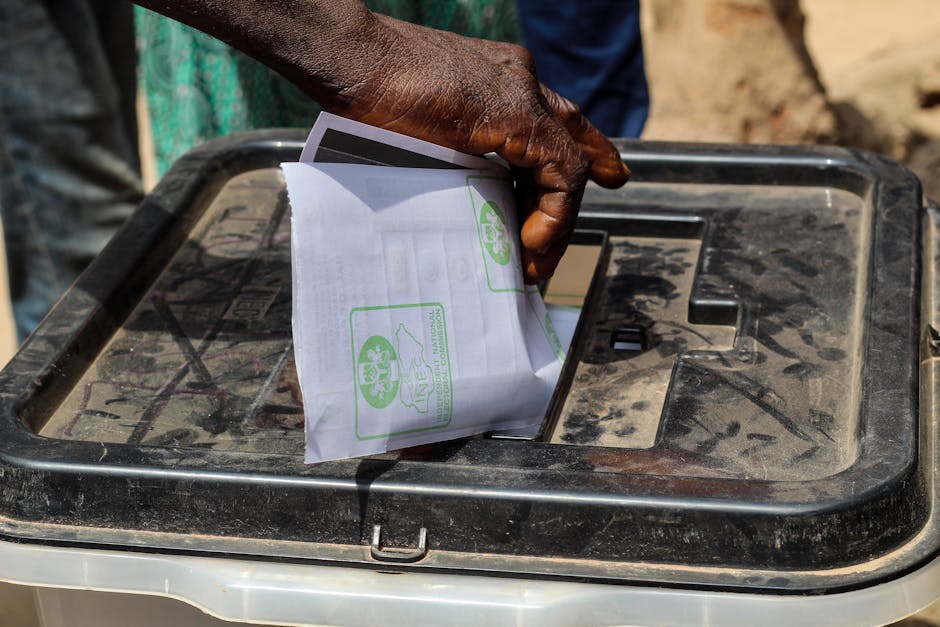
- Ethiopia’s 2026 election took place amidst concerns over voter exclusion and the legitimacy of the results.
- Millions of Ethiopians were unable to participate, raising questions about the fairness and transparency of the process.
- Opposition parties and international observers have criticized the government’s handling of the election.
- The election occurs during a period of significant uncertainty regarding the government’s democratic commitment.
- Despite challenges, many Ethiopians are still attempting to vote, demonstrating a desire to exercise their right.
On June 1, 2026, Ethiopians headed to the polls to cast their votes in the country’s latest elections, but millions of citizens were excluded from the process, sparking concerns over the legitimacy of the outcome. The election comes at a time of great uncertainty for the country, with many Ethiopians questioning the government’s commitment to democracy. The exclusion of millions of voters has raised questions about the fairness and transparency of the electoral process, and has led to widespread criticism from opposition parties and international observers.
Current Electoral Landscape

The current situation in Ethiopia is marked by a sense of unease and uncertainty, as millions of citizens are being denied the right to vote. The government has been accused of manipulating the electoral process, with opposition parties claiming that they have been unfairly excluded from the polls. The election has also been marked by a lack of transparency, with many Ethiopians unsure of who is eligible to vote or how the electoral process will be conducted. Despite these challenges, many Ethiopians remain determined to exercise their right to vote, and have been lining up at polling stations across the country to cast their ballots.
Historical Context of Ethiopian Elections

The story behind the current electoral crisis in Ethiopia is complex and multifaceted. The country has a long history of troubled elections, with many previous polls being marred by violence, intimidation, and manipulation. In recent years, the government has faced growing criticism over its handling of the electoral process, with opposition parties and international observers accusing it of suppressing dissent and limiting freedom of expression. The current election is seen as a test of the government’s commitment to democracy, and the exclusion of millions of voters has raised concerns that the process is being rigged to favor the ruling party.
Key Players in the Electoral Process

The people shaping the electoral process in Ethiopia are a complex and diverse group, with different motivations and interests. The government, led by Prime Minister Abiy Ahmed, has been accused of manipulating the electoral process to maintain its grip on power. Opposition parties, on the other hand, are pushing for a free and fair election, and have been critical of the government’s handling of the process. International observers, such as the BBC and Al Jazeera, are also playing a crucial role in monitoring the election and reporting on any irregularities.
Consequences of the Election

The consequences of the election in Ethiopia will be far-reaching, and will have a significant impact on the country’s future. If the election is seen as illegitimate, it could lead to widespread unrest and instability, and could undermine the government’s authority. On the other hand, if the election is seen as free and fair, it could mark an important step forward for democracy in Ethiopia, and could pave the way for greater political and economic reform. The exclusion of millions of voters has already sparked concerns over the legitimacy of the process, and has raised questions about the government’s commitment to democracy.
The Bigger Picture
The election in Ethiopia is not just a domestic issue, but also has regional and international implications. The country is a key player in the Horn of Africa, and its stability is crucial for the region. The election is also being closely watched by the international community, with many countries and organizations eager to see whether Ethiopia can hold a free and fair poll. The outcome of the election will have significant implications for the country’s relationships with its neighbors and the wider world, and will be seen as a test of the government’s commitment to democracy and human rights.
In the coming days and weeks, it will be important to watch how the situation in Ethiopia unfolds, and to see how the government responds to concerns over the legitimacy of the electoral process. The international community will also be watching closely, and will be eager to see whether the government is willing to take steps to address the concerns of opposition parties and civil society. As the situation continues to evolve, one thing is clear: the future of democracy in Ethiopia hangs in the balance, and the outcome of the election will have far-reaching consequences for the country and the region.
Source: Al Jazeera