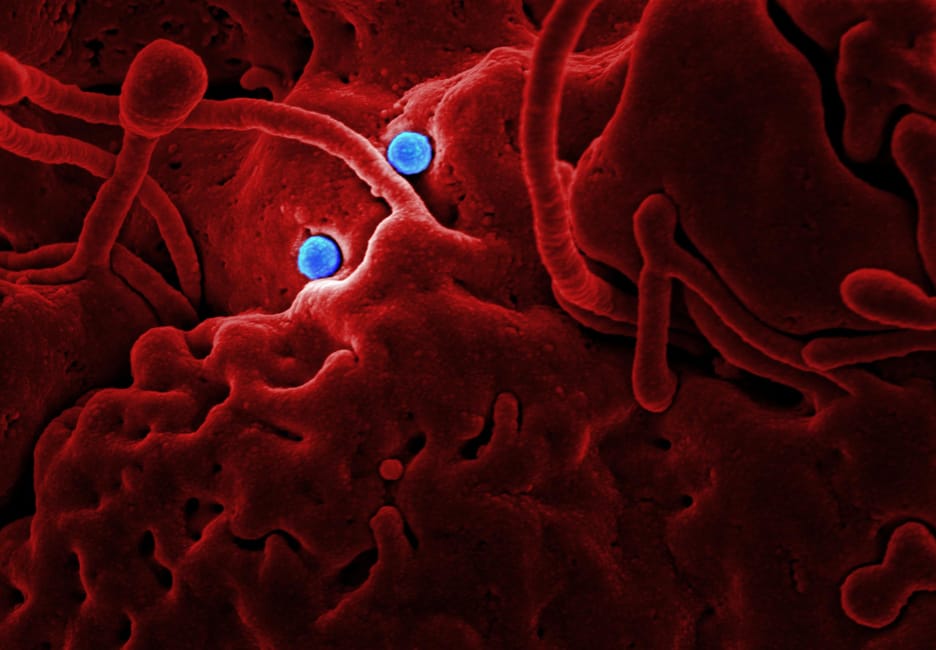
- The Bundibugyo virus, a type of Ebola, is responsible for a rapidly spreading epidemic in Africa, with a surge in reported cases.
- Scientists are racing against time to develop effective vaccines and treatments to combat the outbreak.
- The World Health Organization (WHO) and other global health authorities are collaborating to share data and coordinate response efforts.
- The Bundibugyo virus has shown a high potential for spread, prompting concerns for further outbreaks in affected regions.
- A comprehensive understanding of the Bundibugyo virus is crucial to slowing the spread of the disease and preventing further outbreaks.
The World Health Organization (WHO) has reported a significant surge in Ebola cases in Africa, with the little-known Bundibugyo virus at the center of the rapidly widening epidemic. The outbreak, which has already claimed numerous lives, has prompted scientists to race against time to develop effective vaccines and treatments. As the situation continues to deteriorate, the international community is coming together to support affected nations and prevent further spread of the disease.
Understanding the Bundibugyo Virus

The Bundibugyo virus, a type of Ebola, had previously caused only two small outbreaks, leaving scientists with limited knowledge of its behavior and transmission patterns. However, as the current epidemic worsens, researchers are working tirelessly to learn more about the virus, its origins, and its potential for spread. The WHO and other global health authorities are collaborating to share data, coordinate response efforts, and provide critical support to affected regions. With the outbreak showing no signs of slowing, the need for a comprehensive understanding of the Bundibugyo virus has never been more pressing.
Key Developments in the Outbreak

According to reports from the Centers for Disease Control and Prevention (CDC), the Bundibugyo virus has already spread to multiple countries in Africa, with cases reported in both urban and rural areas. The WHO has deployed teams of experts to support local health authorities, enhance surveillance, and implement control measures to prevent further transmission. As the situation continues to evolve, scientists are closely monitoring the outbreak, analyzing data, and adapting response strategies to stay ahead of the virus.
Analyzing the Response Efforts

Experts agree that a coordinated and multifaceted approach is essential to containing the outbreak and preventing a broader crisis. The development of effective vaccines and treatments is a top priority, with several candidates already in various stages of testing. Meanwhile, health authorities are working to strengthen local healthcare systems, enhance contact tracing, and promote community awareness and engagement. As the international community comes together to support affected nations, the importance of collaboration, data-sharing, and open communication cannot be overstated.
Implications of the Outbreak

The Bundibugyo virus outbreak has significant implications for global health, with the potential to affect not only local communities but also regional and international economies. As the situation continues to unfold, it is essential to consider the broader consequences of the outbreak, including the potential for widespread panic, social disruption, and economic instability. The WHO and other global health authorities are working to mitigate these risks, providing guidance, support, and critical resources to affected nations and communities.
Expert Perspectives
Scientists and health experts are offering contrasting viewpoints on the best approach to containing the outbreak, with some advocating for a more aggressive vaccination strategy and others emphasizing the need for enhanced surveillance and contact tracing. According to Dr. Maria Van Kerkhove, a leading expert on Ebola, “the key to success lies in a coordinated and adaptable response, one that balances the need for urgent action with the importance of careful planning and strategic decision-making.” As the situation continues to evolve, it is essential to consider a range of perspectives and approaches, leveraging the expertise and experience of scientists, health authorities, and community leaders.
Looking ahead, it is clear that the Bundibugyo virus outbreak will continue to pose significant challenges for global health authorities, scientists, and affected communities. As researchers race to develop effective vaccines and treatments, it is essential to remain vigilant, adapt to changing circumstances, and prioritize a coordinated and multifaceted response. The international community must come together to support affected nations, share knowledge and resources, and work towards a common goal: containing the outbreak and preventing a broader crisis. One open question remains: what will be the long-term impact of this outbreak on global health, and how can we prepare for future challenges?
Source: The New York Times