- By 2028, an estimated 90% of jobs will be disrupted by AI, accelerating the initially predicted timeline of 2032.
- AI is increasingly capable of performing tasks previously exclusive to human workers, such as inspection and diagnosis.
- Professions like plumbing are not immune to AI-driven disruption, with AI potentially reducing the need for human intervention in certain tasks.
- AI is being used in various sectors, including manufacturing and healthcare, to automate tasks and reduce the need for human workers.
- The shift in the job market driven by AI has significant implications for the future of work and the skills required to remain relevant.
What happens when the jobs of the future are not the ones we expected? According to Cognizant, a staggering 90% of jobs are projected to be disrupted by 2028, a full six years ahead of the initially predicted 2032. This raises important questions about the role of artificial intelligence in the workforce and what it means for employees across various industries. As the Head of Research Ollie O’Donoghue notes, even professions like plumbing are not immune to the impact of AI.
Understanding the Shift in the Job Market

The shift in the job market is largely driven by the increasing capabilities of artificial intelligence. AI can now perform tasks that were previously thought to be the exclusive domain of human workers, such as inspection and diagnosis. While a plumber may still be needed to fix a pipe, AI can inspect and diagnose the issue, potentially reducing the need for human intervention in certain aspects of the job. This change has significant implications for the future of work and the skills that workers will need to remain relevant in an AI-driven economy.
Evidence from the Front Lines of Job Disruption

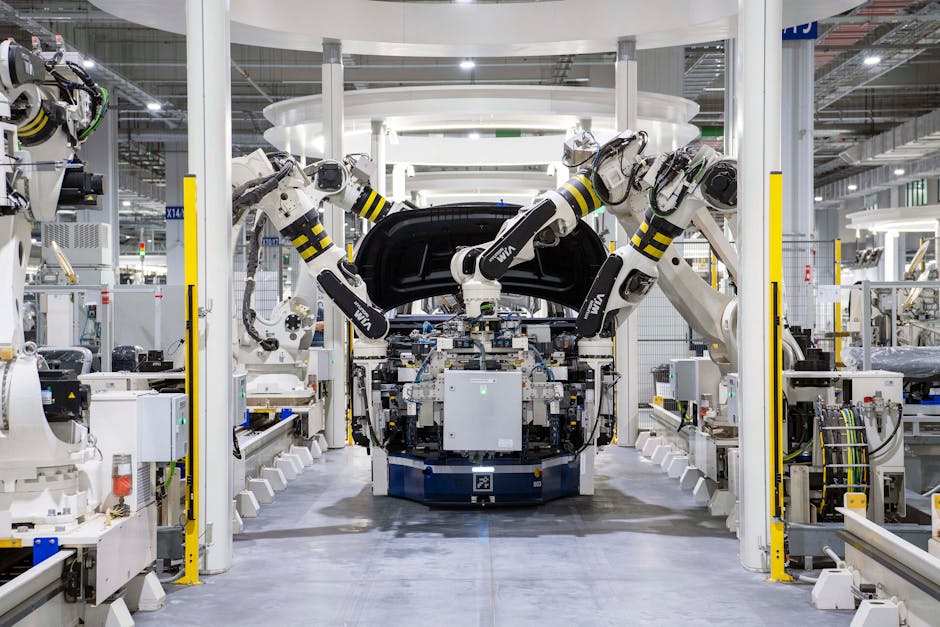
There is already evidence of AI-driven job disruption in various sectors. For example, in the manufacturing industry, AI-powered robots are taking over tasks that were previously performed by human workers. Similarly, in the healthcare sector, AI is being used to analyze medical images and diagnose diseases, reducing the need for human doctors in certain areas. According to a report by Reuters, the use of AI in these industries is expected to continue to grow, leading to further job displacement. As O’Donoghue notes, “The plumber still fixes the pipe,” but AI can inspect and diagnose, highlighting the need for workers to adapt to new roles and responsibilities.
Counter-Perspectives on Job Disruption

Not everyone agrees that AI will disrupt 90% of jobs. Some argue that while AI may automate certain tasks, it will also create new job opportunities in areas such as AI development and deployment. Others argue that the impact of AI on jobs will be more nuanced, with some industries being more affected than others. However, as a report by The New York Times notes, the evidence suggests that the impact of AI on jobs will be significant, and workers must be prepared to adapt to a changing job market.
Real-World Impact of Job Disruption

The real-world impact of job disruption is already being felt. According to a report by BBC, many workers are struggling to adapt to the changing job market, with some experiencing significant hardship as a result of job loss. This highlights the need for governments and businesses to invest in retraining and upskilling programs, to help workers develop the skills they need to remain relevant in an AI-driven economy. As the job market continues to evolve, it is essential that we prioritize the needs of workers and ensure that they have the support they need to thrive.
What This Means For You
So, what does this mean for you? If you are a worker, it is essential that you begin to think about how you can adapt to the changing job market. This may involve developing new skills, such as programming or data analysis, or exploring new career opportunities in areas such as AI development or deployment. As the job market continues to evolve, it is crucial that you remain flexible and open to new opportunities, and that you prioritize your own ongoing learning and development.
As we look to the future, it is clear that the impact of AI on jobs will be significant. But what does this mean for the future of work, and how can we ensure that workers are prepared for the challenges that lie ahead? These are important questions that require careful consideration and planning, and it is essential that we begin to think critically about the role of AI in the workforce and the implications for employees across various industries.
Source: Fortune