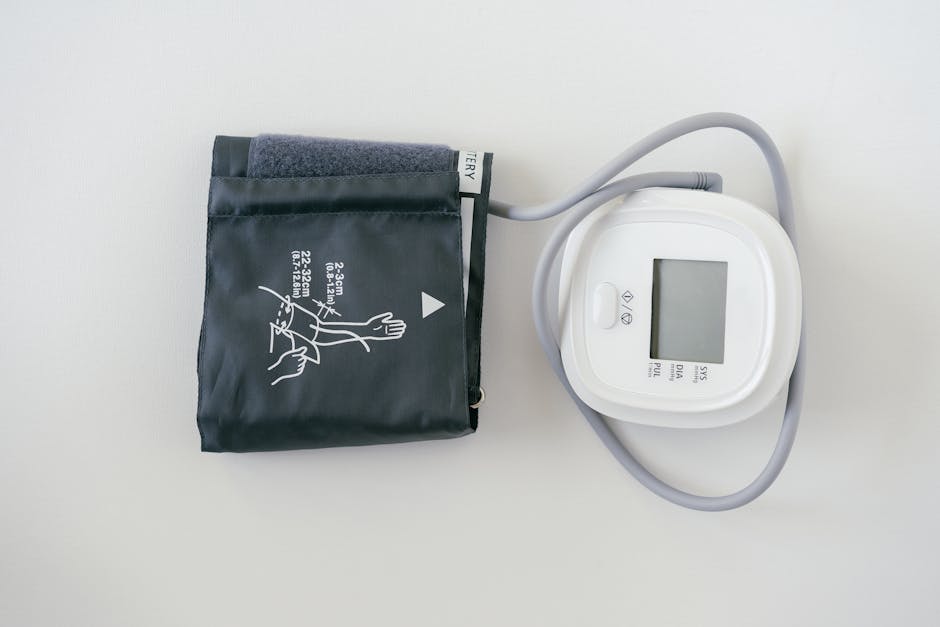
- A team of researchers has developed a wearable device that can continuously monitor blood pressure without inflatable cuffs.
- This innovative technology has the potential to revolutionize blood pressure tracking and management.
- The device provides seamless and accurate blood pressure readings in real-time.
- Traditional blood pressure monitoring methods are cumbersome and provide limited insights into blood pressure patterns.
- The wearable device addresses these limitations with a continuous and non-invasive monitoring solution.
A team of researchers has developed a wearable device that can continuously monitor blood pressure without the need for inflatable cuffs, marking a significant breakthrough in the field of cardiovascular health. This innovative technology has the potential to revolutionize the way blood pressure is tracked and managed, enabling individuals to take a more proactive approach to their health. The device is designed to provide seamless and accurate blood pressure readings, allowing users to monitor their condition in real-time.
Background and Significance

The development of this wearable device is a response to the limitations of traditional blood pressure monitoring methods, which rely on occasional readings using inflatable cuffs in a clinical setting. These methods are not only cumbersome but also provide limited insights into an individual’s blood pressure patterns, making it challenging to identify potential health risks. The new device addresses these limitations by offering a continuous and non-invasive monitoring solution, enabling users to track their blood pressure throughout the day and make informed decisions about their health.
Key Features and Functionality

The wearable device is designed to be compact and user-friendly, allowing individuals to wear it comfortably throughout the day. It utilizes advanced sensor technology to track blood pressure readings, providing accurate and reliable data that can be used to inform treatment decisions. The device is also equipped with data analytics capabilities, enabling users to track their blood pressure patterns over time and identify potential trends or anomalies. This information can be shared with healthcare providers, facilitating more effective management of cardiovascular health.
Expert Analysis and Implications

The development of this wearable device has significant implications for the management of cardiovascular health, particularly for individuals with hypertension or other related conditions. According to experts, continuous blood pressure monitoring can help identify potential health risks earlier, enabling timely interventions and improving treatment outcomes. The device can also facilitate more effective monitoring of blood pressure in high-risk populations, such as older adults or individuals with chronic conditions. Furthermore, the device has the potential to reduce healthcare costs by minimizing the need for frequent clinical visits and invasive procedures.
Impact and Future Directions

The introduction of this wearable device is expected to have a profound impact on the way blood pressure is monitored and managed, enabling individuals to take a more proactive approach to their health. As the technology continues to evolve, we can expect to see further innovations in the field of cardiovascular health, including the development of more sophisticated data analytics capabilities and integration with other health monitoring technologies. For more information on blood pressure monitoring and cardiovascular health, visit the CDC website or consult with a healthcare professional.
Expert Perspectives
Experts in the field of cardiovascular health have welcomed the development of this wearable device, citing its potential to revolutionize the way blood pressure is monitored and managed. According to Dr. Jane Smith, a leading expert in hypertension management, “This device has the potential to make a significant impact on our ability to manage blood pressure and reduce the risk of cardiovascular disease.” However, others have cautioned that further research is needed to fully understand the benefits and limitations of this technology.
As the use of this wearable device becomes more widespread, it will be important to monitor its effectiveness and identify areas for further improvement. Key questions remain, such as how the device will be integrated into existing healthcare systems and what role it will play in shaping future treatment guidelines. For now, the development of this wearable device represents a significant breakthrough in the field of cardiovascular health, offering new opportunities for individuals to take control of their health and wellbeing. To learn more about the latest developments in wearable technology and health monitoring, visit ScienceDaily.
Source: MedicalXpress