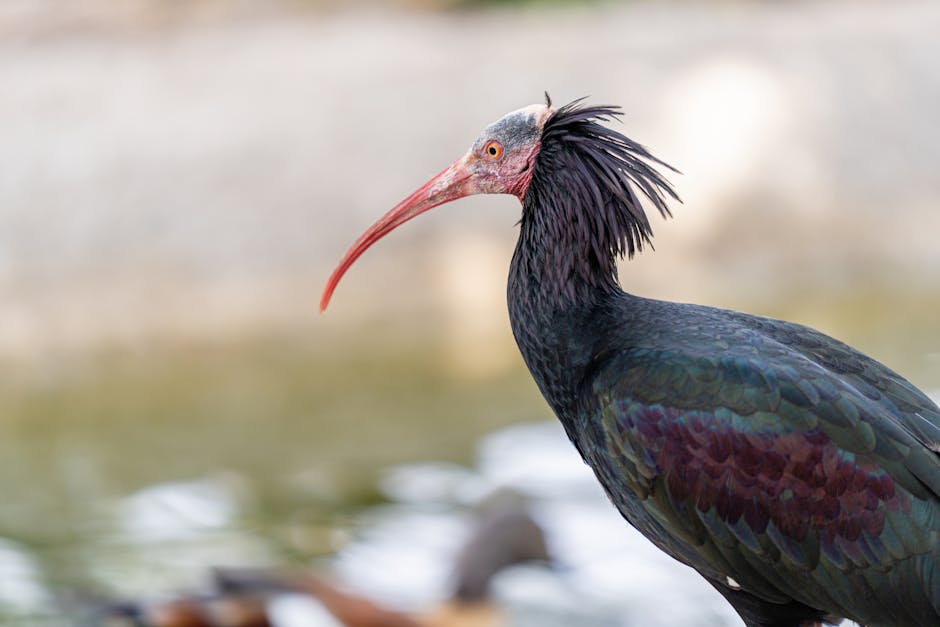
- Japan’s crested ibis population has surged to over 500, marking a significant milestone in the country’s wildlife preservation initiatives.
- Collaborative conservation efforts between the Japanese government, local communities, and organizations have driven the species’ remarkable recovery.
- The crested ibis population was once on the brink of extinction due to habitat loss, hunting, and human activities, but concerted efforts have reversed this trend.
- Conservation programs have included habitat restoration, captive breeding, and monitoring of bird behavior, with impressive results.
- Japan’s unique biodiversity is being protected through these conservation efforts, highlighting the importance of preserving the country’s natural heritage.
The crested ibis, a bird species once on the brink of extinction in Japan, is making a remarkable recovery thanks to dedicated conservation efforts. With a population of over 500, the species is thriving in its natural habitats, marking a significant milestone in the country’s wildlife preservation initiatives. This development is a testament to the power of collaborative conservation and highlights the importance of protecting Japan’s unique biodiversity.
Background and Significance

The crested ibis, known for its vibrant plumage and distinctive crest, was once a common sight in Japan. However, due to habitat loss, hunting, and other human activities, the species’ population dwindled dramatically, pushing it to the edge of extinction. In response, the Japanese government, in partnership with local communities and conservation organizations, launched a comprehensive program to protect and restore the species’ habitats, as well as breed the birds in captivity and release them into the wild. This concerted effort has yielded impressive results, with the population growing steadily over the years.
Conservation Efforts and Key Players

The recovery of the crested ibis population is a result of meticulous planning and execution by various stakeholders. The Japanese government has played a crucial role in providing funding and resources for conservation initiatives, while local communities have been instrumental in monitoring the birds’ behavior, reporting sightings, and participating in habitat restoration activities. Additionally, organizations such as the Wildlife Conservation Society have provided valuable expertise and support, helping to inform and guide conservation strategies. The collaboration between these entities has been essential in addressing the complex challenges facing the species and implementing effective solutions.
Analysis and Data

According to data from the Japanese Ministry of the Environment, the crested ibis population has been increasing at a steady rate, with an average annual growth rate of 10%. This trend is attributed to a combination of factors, including the establishment of protected areas, the reintroduction of captive-bred birds, and improvements in habitat quality. Furthermore, research has shown that the species’ recovery is having a positive impact on the ecosystem as a whole, with the ibises playing a vital role in maintaining the balance of their environments. As the population continues to grow, scientists are closely monitoring the birds’ behavior, habitat use, and population dynamics to ensure that conservation efforts remain effective and adapt to emerging challenges.
Implications and Future Directions

The resurgence of the crested ibis population has significant implications for Japan’s biodiversity and ecosystem health. As the species continues to thrive, it is likely to have a positive impact on the country’s natural heritage, contributing to the maintenance of ecological balance and the preservation of unique habitats. Moreover, the success of conservation efforts can serve as a model for protecting other endangered species in Japan and beyond, demonstrating the importance of collaborative conservation and community engagement. As the crested ibis population continues to grow, it is essential to remain vigilant and address potential threats, such as climate change, habitat fragmentation, and human-wildlife conflict, to ensure the long-term sustainability of the species.
Expert Perspectives
Experts in the field of conservation biology have welcomed the news of the crested ibis population’s recovery, citing it as a testament to the power of dedicated conservation efforts. According to Dr. Hiroshi Tanaka, a leading expert on bird conservation in Japan, “The recovery of the crested ibis is a significant achievement, demonstrating the effectiveness of collaborative conservation initiatives and the importance of community engagement in protecting endangered species.” In contrast, some experts have expressed concerns about the potential risks associated with the species’ recovery, such as the potential for human-wildlife conflict and the need for ongoing monitoring and management to ensure the population’s long-term sustainability.
Looking ahead, the recovery of the crested ibis population raises important questions about the future of conservation efforts in Japan and beyond. As the species continues to thrive, it is essential to consider the potential implications for ecosystem health, biodiversity, and human-wildlife coexistence. For more information on the crested ibis and conservation efforts in Japan, visit the Japanese Ministry of the Environment website, which provides valuable resources and insights into the country’s conservation initiatives.
Source: The New York Times