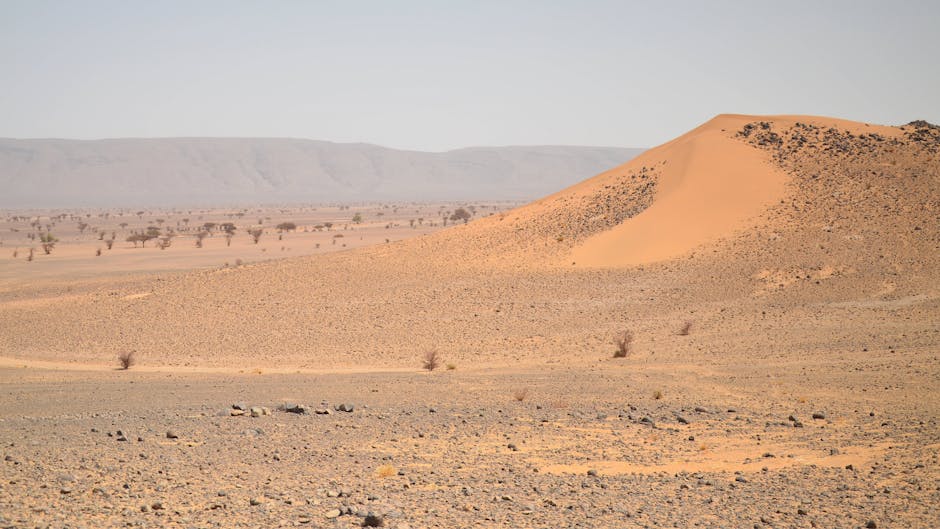
- India’s hottest district experiences temperatures above 45 degrees Celsius, with record highs reaching 47 degrees Celsius.
- The heatwave has caused several deaths and illnesses, with hospitals struggling to cope with heat-related cases.
- The district’s residents are facing daily challenges due to the extreme heat, affecting their livelihoods and daily lives.
- Climate change is exacerbating the extreme heat in India, making it a critical issue for the country.
- The Indian government is scrambling to provide relief to affected areas, with health infrastructure overwhelmed by heat-related cases.
India’s hottest district, where temperatures regularly soar above 45 degrees Celsius, is a stark reminder of the harsh reality of extreme heat. In this region, mornings and nights no longer exist, as the scorching sun beats down relentlessly. The district’s residents are struggling to cope with the heat, which is not only affecting their daily lives but also their livelihoods. As the world grapples with the challenges of climate change, India’s hottest district is on the frontline of extreme heat, revealing the devastating consequences of rising temperatures.
The Severity of the Heatwave

According to data from the Indian Meteorological Department, the district has been experiencing record high temperatures, with the mercury rising to 47 degrees Celsius in recent days. The heatwave has been blamed for several deaths and illnesses, with many residents being hospitalized due to heat-related ailments. The district’s health infrastructure is struggling to cope with the surge in heat-related cases, with hospitals and clinics overwhelmed with patients. As reported by the BBC, the heatwave has become a major concern for the government, with officials scrambling to provide relief to affected areas.
The Human Impact

The heatwave is having a devastating impact on the district’s residents, particularly the vulnerable populations such as the elderly, children, and those with pre-existing medical conditions. Many residents are being forced to stay indoors during the hottest part of the day, which is affecting their livelihoods and daily routines. The heatwave is also having a significant impact on the district’s agriculture, with crops withering and dying due to the extreme heat. As noted by the National Center for Biotechnology Information, heat stress can have severe consequences for human health, including heat exhaustion, heat stroke, and even death.
The Economic Costs

The heatwave is also having a significant economic impact on the district, with losses estimated to be in the millions. The district’s economy is largely dependent on agriculture, which is being severely affected by the heatwave. The heatwave is also affecting the district’s infrastructure, with power outages and water shortages becoming increasingly common. As reported by the Reuters, the Indian government has announced plans to provide relief to affected areas, including financial assistance to farmers and support for the district’s health infrastructure.
Timing of the Heatwave

The timing of the heatwave is particularly concerning, as it is occurring during the peak summer months when temperatures are already high. The heatwave is expected to continue for several more weeks, with temperatures predicted to remain above 45 degrees Celsius. The district’s residents are bracing themselves for the worst, with many taking precautions to stay safe during the heatwave. According to the Nature journal, heatwaves are becoming increasingly common in India, with the country experiencing several severe heatwaves in recent years.
Where We Go From Here
As the heatwave continues to affect India’s hottest district, there are several possible scenarios for the next 6-12 months. One scenario is that the district’s residents will adapt to the new reality of extreme heat, finding ways to cope with the temperatures and minimize the impact on their daily lives. Another scenario is that the government will take decisive action to address the root causes of the heatwave, including investing in renewable energy and implementing policies to reduce greenhouse gas emissions. A third scenario is that the heatwave will become a recurring phenomenon, with the district’s residents facing a perpetual struggle to survive in a world of extreme heat. As noted by the World Health Organization, heat stress can have severe consequences for human health, and it is essential to take proactive measures to mitigate its effects.
Bottom line — the heatwave in India’s hottest district is a stark reminder of the devastating consequences of climate change, and it is essential that the government and residents take immediate action to address the root causes of the problem and find ways to adapt to the new reality of extreme heat.
Source: BBC