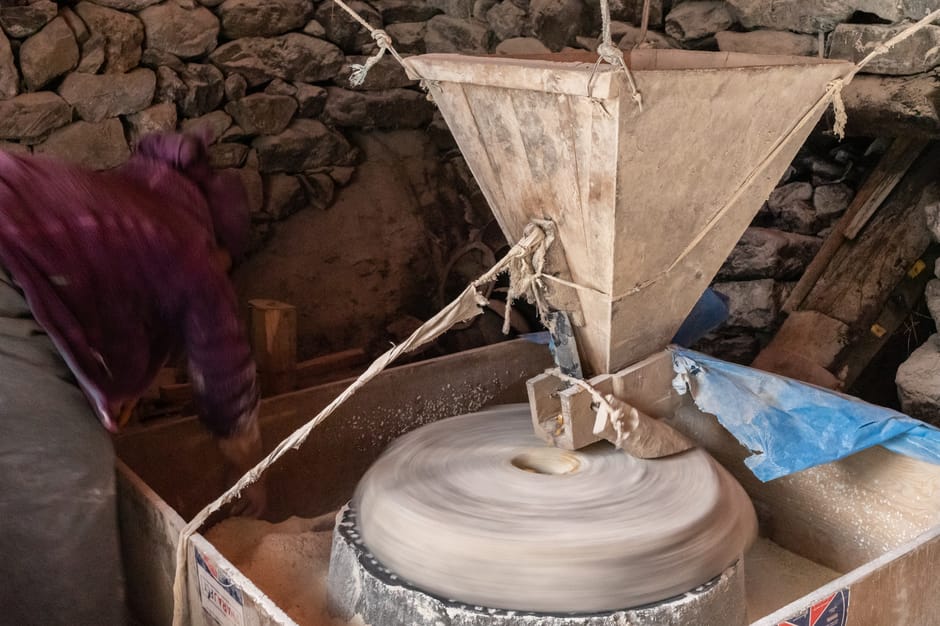
- Craft flour demand is growing 20% annually due to consumer preference for less processed, fiber-rich grains.
- Premium flour is becoming a staple in professional kitchens and home bakeries, driven by health-conscious eating.
- Artisanal producers are disrupting the traditional flour market, offering healthier and more flavorful options.
- Whole, less processed grains are being sought after for their health benefits and authentic taste experience.
- The craft flour industry is likely to see a proliferation of new, innovative products in the future.
The premium flour industry is experiencing a significant uptick in demand, driven by the increasing popularity of fiber-rich grains and the willingness of consumers to pay a premium for less processed products. As a result, craft flour is becoming a staple in many professional kitchens and home bakeries, with ‘MAHA’ influencers and renowned chefs alike singing its praises. This shift in consumer preference is expected to have a profound impact on the traditional flour market, with many established brands facing stiff competition from artisanal producers. The rise of craft flour is a testament to the evolving nature of consumer demand and the growing importance of health-conscious eating.
The Craft Flour Revolution

The demand for craft flour is being driven by a growing awareness of the health benefits associated with consuming whole, less processed grains. Consumers are becoming increasingly discerning about the ingredients they use in their cooking and baking, seeking out products that are not only healthier but also offer a more authentic and flavorful experience. This trend is reflected in the surge in popularity of artisanal bakeries and the growing demand for specialty flours, such as ancient grain and heritage varieties. As the premium flour industry continues to grow, it is likely that we will see a proliferation of new and innovative products, each offering a unique set of characteristics and benefits.
Key Players and Products

The craft flour market is characterized by a diverse range of producers, from small, family-owned mills to larger, more established companies. Some of the key players in this space include specialty flour producers who are leveraging their expertise and knowledge to create a wide range of innovative products. These products cater to the needs of professional chefs, home bakers, and health-conscious consumers, offering a level of quality and sophistication that is not typically found in traditional flour products. With the market expected to continue growing, it is likely that we will see new entrants and the development of new products, further increasing competition and innovation in this space.
Market Analysis and Trends

The craft flour market is expected to experience significant growth over the next few years, driven by the increasing demand for healthier and more sustainable food options. According to industry experts, the market is projected to grow by 15% annually, with the premium segment expected to outperform the overall market. This growth will be driven by a combination of factors, including the increasing popularity of plant-based diets, the growing awareness of the health benefits associated with whole grains, and the rising demand for artisanal and specialty products. As the market continues to evolve, it is likely that we will see a greater emphasis on sustainability, with producers focusing on reducing their environmental impact and promoting more eco-friendly practices.
Implications and Opportunities

The growth of the craft flour market has significant implications for the food industry as a whole, with many established brands facing increased competition from artisanal producers. As consumers become more discerning about the ingredients they use, it is likely that we will see a shift towards more premium and specialty products, with a greater emphasis on quality, sustainability, and health. This presents a significant opportunity for producers who are able to innovate and adapt to changing consumer preferences, offering products that meet the evolving needs of the market. As the demand for craft flour continues to grow, it is likely that we will see a proliferation of new products and producers, further increasing competition and innovation in this space.
Expert Perspectives
According to experts in the field, the growth of the craft flour market is a reflection of the changing values and priorities of consumers. “The demand for craft flour is driven by a desire for healthier, more sustainable food options,” notes a leading food industry expert. “As consumers become more aware of the ingredients they use and the impact of their food choices, it is likely that we will see a continued shift towards more premium and specialty products.” This perspective is echoed by chefs and bakers, who praise the quality and versatility of craft flour, citing its ability to add depth and complexity to a wide range of dishes.
Looking ahead, it is clear that the craft flour market will continue to play an important role in shaping the food industry. As consumers become increasingly health-conscious and discerning, it is likely that we will see a greater emphasis on sustainability, quality, and innovation. With the market expected to continue growing, it will be important to watch for new developments and trends, including the emergence of new products and producers, and the evolving preferences of consumers. For those interested in learning more about the craft flour market, a good starting point would be to explore the work of leading food writers and experts, who offer a wealth of insight and information on this topic.
Source: The New York Times