- AI is increasingly automating white-collar tasks like data entry and software development.
- Companies like Amazon, Tesla, and BMW are integrating AI to reduce labor costs and improve efficiency.
- A McKinsey report suggests up to 800 million jobs could be lost globally due to automation by 2030.
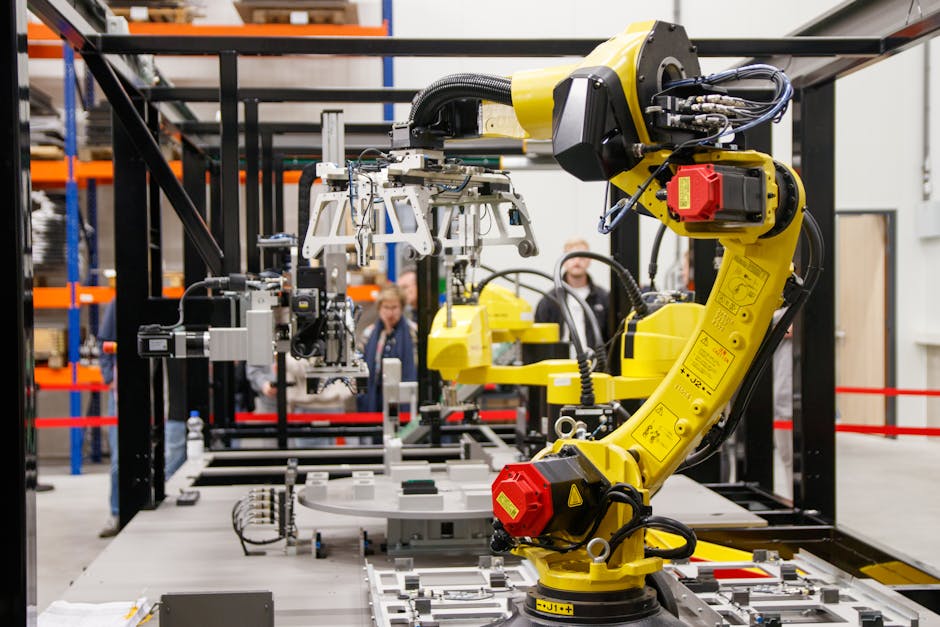
- AI adoption is prevalent in manufacturing with robots handling inventory and repetitive labor tasks.
- The trend towards automation raises concerns over job losses and economic implications for workers.
Artificial intelligence is increasingly replacing human labor in various industries, sparking concerns about the economic implications of such a shift. If you work a white-collar job, you’re probably scared of AI replacing you, as it has already started to automate tasks such as data entry, customer service, and software development. Now, AI is stepping onto the factory floor, with companies like Amazon, Tesla, and BMW adopting automation technologies to streamline their operations and reduce labor costs.
The Rise of Automation

According to recent data, AI-powered automation is becoming increasingly prevalent in the manufacturing sector. For instance, Amazon has implemented robots to move inventory, while Figure bots are handling BMW parts. Additionally, Tesla is building Optimus, a robot designed for repetitive labor, and warehouses are being automated to improve efficiency. This trend is expected to continue, with a report by the McKinsey Global Institute suggesting that up to 800 million jobs could be lost worldwide due to automation by 2030.
Key Players and Their Roles

The key players in this scenario are the companies adopting AI-powered automation, such as Amazon, Tesla, and BMW. These companies are driven by the desire to reduce labor costs and improve efficiency, which is a natural consequence of capitalist ideologies. However, this shift also raises concerns about the impact on workers who may lose their jobs due to automation. Recent moves by these companies, such as Tesla’s announcement of its Optimus robot, demonstrate their commitment to adopting AI-powered automation.
The Trade-Offs of Automation

The costs and benefits of AI-powered automation are multifaceted. On the one hand, automation can lead to significant productivity gains and cost savings for companies. For example, a report by the New York Times suggests that automation can increase productivity by up to 30%. On the other hand, the displacement of human workers can have severe economic and social consequences, including increased unemployment and inequality. Furthermore, the Reuters reports that automation can also lead to a loss of skills and knowledge among workers.
Timing and Economic Context

The current economic context, characterized by a global pandemic and rising labor costs, has accelerated the adoption of AI-powered automation. As companies seek to mitigate the risks associated with human labor, such as absenteeism and turnover, they are increasingly turning to automation as a solution. This shift is also driven by advances in AI technology, which have made it more accessible and affordable for companies to adopt. The BBC reports that the COVID-19 pandemic has accelerated the adoption of automation technologies.
Where We Go From Here
Looking ahead to the next 6-12 months, there are several possible scenarios that could unfold. Firstly, companies may continue to adopt AI-powered automation at an accelerated pace, leading to significant job displacement and economic disruption. Secondly, governments and regulatory bodies may intervene to mitigate the negative consequences of automation, such as by implementing policies to support workers who have lost their jobs. Finally, the development of new technologies and industries could create new job opportunities that offset the losses caused by automation. The Associated Press reports that some experts believe that new technologies could create up to 140 million new jobs globally by 2030.
In conclusion, the rise of AI-powered automation is a complex issue that raises important questions about the economic and social implications of technological advancements. While AI itself is not the problem, the economic machine surrounding it is. As we move forward, it is essential to consider the potential consequences of automation and work towards creating a more equitable and sustainable economic system. Ultimately, the future of work will depend on our ability to balance the benefits of technological progress with the need to protect the rights and interests of workers.
Source: Reddit