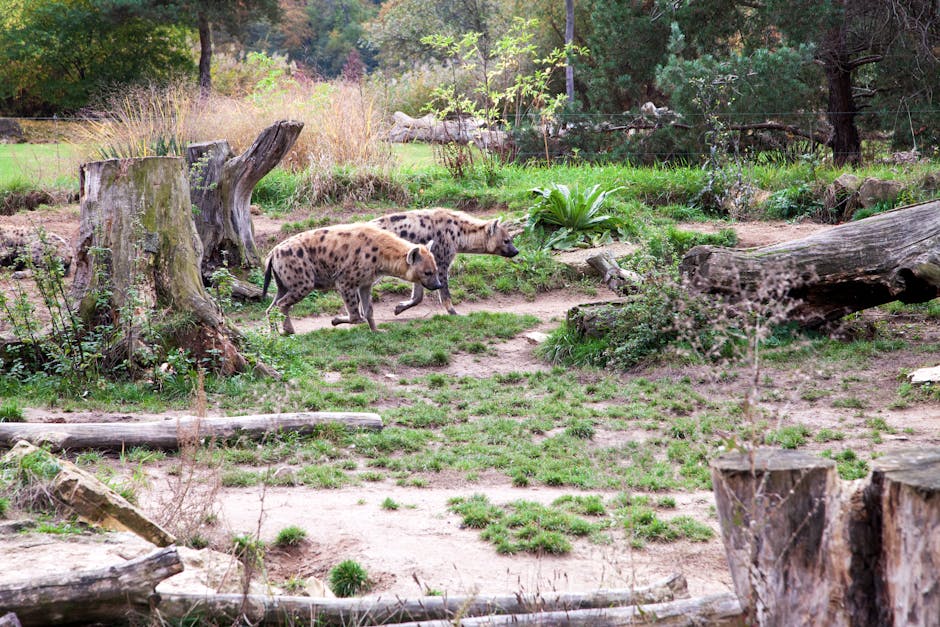
- Bush dogs are rare and elusive canines native to Central and South America, known for their mischievous behavior and distinctive appearance.
- They are highly social animals that live in packs, consisting of a dominant male and female, and their offspring, and feed on a variety of prey.
- Bush dogs are carnivores and are listed as near threatened on the IUCN Red List due to habitat loss and hunting.
- Their introduction to Lake District Wildlife Park aims to educate and entertain the public about the importance of conservation.
- The park’s new residents are expected to captivate audiences and raise awareness about the need to protect their habitats and ecosystems.
The arrival of four bush dogs at Lake District Wildlife Park has sparked excitement among visitors and staff alike, as these rare and elusive canines are known for their mischievous behavior. The bush dogs, native to Central and South America, are the newest residents at the park, and their presence is expected to educate and entertain the public about the importance of conservation. With their distinctive appearance and energetic personalities, the bush dogs are sure to captivate audiences and raise awareness about the need to protect their habitats.
What Do We Know About Bush Dogs?

Bush dogs are relatively small, wild canines that inhabit the dense forests and grasslands of Central and South America. They are known for their distinctive appearance, with reddish-brown coats and black markings on their faces. Bush dogs are highly social animals and live in packs, which typically consist of a dominant male and female, as well as their offspring. They are carnivores and feed on a variety of prey, including small mammals, birds, and reptiles. According to the IUCN Red List, bush dogs are listed as near threatened due to habitat loss and hunting.
Supporting Evidence For Conservation Efforts

The introduction of bush dogs to Lake District Wildlife Park highlights the importance of conservation efforts and the need to protect these amazing creatures and their habitats. As stated by the World Wildlife Fund, habitat loss and fragmentation are major threats to bush dog populations, and conservation efforts are necessary to preserve their habitats and prevent extinction. The park’s decision to welcome the bush dogs demonstrates its commitment to educating the public about the importance of conservation and the need to protect endangered species.
Counter-Perspectives On Wildlife Conservation

While the arrival of bush dogs at Lake District Wildlife Park is a positive step towards conservation, some critics argue that keeping wild animals in captivity can be detrimental to their well-being. They argue that wild animals belong in their natural habitats, and that captivity can disrupt their social structures and behavior. However, proponents of wildlife conservation argue that accredited zoos and wildlife parks, like Lake District Wildlife Park, play a crucial role in educating the public and supporting conservation efforts. They also provide a safe haven for endangered species and support breeding programs to increase population numbers.
Real-World Impact Of Conservation Efforts

The introduction of bush dogs to Lake District Wildlife Park has significant real-world implications for conservation efforts. By providing a safe and naturalistic environment for the bush dogs, the park is helping to raise awareness about the importance of conservation and the need to protect endangered species. The park’s conservation efforts also have a positive impact on the local community, as they provide education and outreach programs, as well as support for local conservation initiatives. Furthermore, the park’s commitment to conservation sets an example for other zoos and wildlife parks, demonstrating the importance of prioritizing animal welfare and conservation.
What This Means For You
The arrival of bush dogs at Lake District Wildlife Park serves as a reminder of the importance of conservation and the need to protect endangered species. As a visitor to the park, you can support conservation efforts by learning about the bush dogs and their habitats, and by spreading awareness about the importance of protecting these amazing creatures. By taking small steps, such as reducing your carbon footprint and supporting accredited zoos and wildlife parks, you can make a positive impact on the environment and help protect endangered species.
As we look to the future, it is essential to ask ourselves what more can be done to protect bush dogs and their habitats. What role can we play in supporting conservation efforts, and how can we make a positive impact on the environment? By continuing to educate ourselves and others about the importance of conservation, we can work towards a future where bush dogs and other endangered species thrive in their natural habitats.
Source: BBC