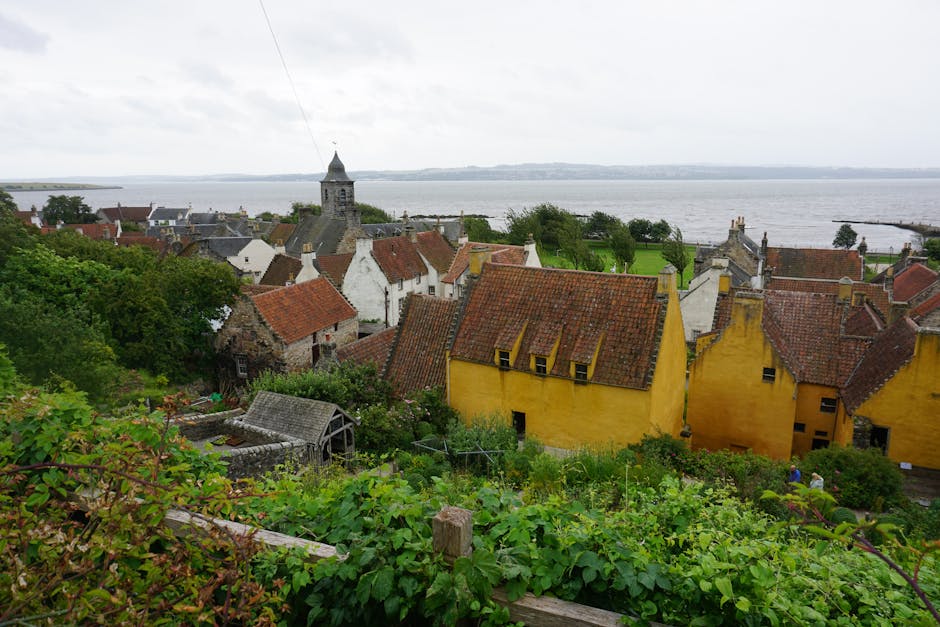
- The Orkney Islands are a model for fairer land ownership, with 85% of land owned by the community.
- The community-led approach has preserved the islands’ unique culture and way of life.
- Community ownership has addressed issues of poverty and inequality in the Orkney Islands.
- The Orkney Islands’ approach to land ownership has been highly successful, driven by community initiatives.
- The islands’ community-led approach serves as a potential solution to land ownership issues in Scotland.
The Orkney Islands, a former Viking outpost, have become a model for a fairer Scotland with 85% of land owned by the community. This unique approach to land ownership has been gaining attention in recent years, with many seeing it as a potential solution to issues of inequality and lack of access to land. The Orkney Islands, located off the north coast of Scotland, have a long history of community ownership, dating back to the Viking era. Today, the islands are home to a thriving community of farmers, fishermen, and small business owners, all of whom benefit from the community-led approach to land ownership.
Background and History

The Orkney Islands have a rich history, with the Vikings arriving in the 9th century and establishing a thriving community. Over the centuries, the islands have been owned by various landlords, but in recent years, the community has taken steps to buy back the land and establish community ownership. This approach has been driven by a desire to preserve the islands’ unique culture and way of life, as well as to address issues of poverty and inequality. According to a report by the Ferret, the community-led approach to land ownership has been highly successful, with many benefits for the local community.
Key Details and Initiatives

The Orkney Islands’ community-led approach to land ownership is based on a number of key initiatives, including the establishment of community trusts and cooperatives. These organizations work to purchase and manage land on behalf of the community, ensuring that it is used for the benefit of all. The islands are also home to a number of community-owned businesses, including farms, fisheries, and renewable energy projects. These businesses provide employment and income for local people, as well as helping to preserve the islands’ natural environment. As noted by the BBC, the Orkney Islands are a prime example of how community land ownership can be used to drive economic development and improve quality of life.
Analysis and Implications

The Orkney Islands’ approach to community land ownership has a number of implications for the wider world. It suggests that community-led approaches to land ownership can be highly effective in addressing issues of inequality and poverty, as well as preserving unique cultures and ways of life. The islands’ approach also highlights the importance of community engagement and participation in decision-making processes, as well as the need for supportive policies and legislation. As noted by the New York Times, community land ownership is a growing trend, with many communities around the world seeking to take control of their own land and resources.
Broader Context and Effects

The Orkney Islands’ community-led approach to land ownership is part of a broader trend towards community-led development and decision-making. This approach is being driven by a growing recognition of the importance of community engagement and participation in addressing social and economic issues. The Orkney Islands’ approach also highlights the potential for community land ownership to drive economic development and improve quality of life, while also preserving unique cultures and ways of life. According to the World Health Organization, community-led approaches to development can have a number of benefits, including improved health outcomes and increased social cohesion.
Expert Perspectives
Experts have praised the Orkney Islands’ community-led approach to land ownership, citing its potential to drive economic development and improve quality of life. However, some have also noted the challenges and complexities involved in establishing and maintaining community-led approaches to land ownership. As noted by the Guardian, community land ownership requires careful planning and management, as well as a strong and active community. Despite these challenges, many see the Orkney Islands as a model for a fairer Scotland, and a potential solution to issues of inequality and lack of access to land.
Looking to the future, it will be interesting to see how the Orkney Islands’ community-led approach to land ownership continues to evolve and develop. Will other communities in Scotland and around the world follow the islands’ lead, and establish their own community-led approaches to land ownership? Only time will tell, but one thing is certain – the Orkney Islands are a powerful example of the potential for community-led approaches to drive positive change and improve quality of life.
Source: Reddit