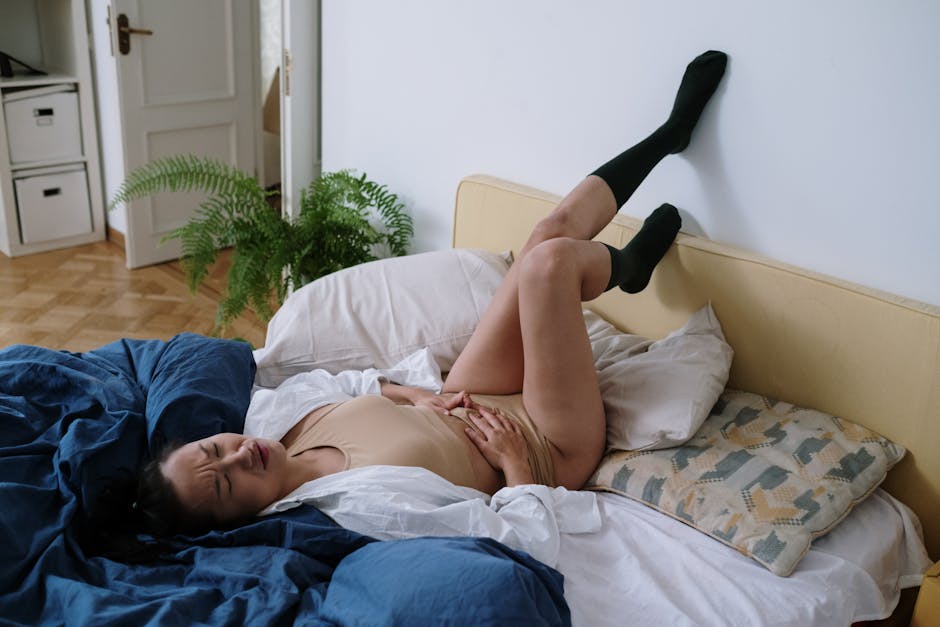
- Endometriosis is a chronic condition affecting 1 in 10 women of reproductive age, causing severe pain and debilitating symptoms.
- Tissue similar to the uterine lining grows outside the uterus, leading to inflammation, scarring, and adhesions in endometriosis.
- Endometriosis can cause severe pain during menstruation, intercourse, and other daily activities, significantly impacting quality of life.
- Over 6.5 million women in the US alone are affected by endometriosis, highlighting the need for better understanding and treatment.
- Endometriosis can have a significant impact on relationships, work, mental health, and overall well-being in women.
What is endometriosis and how does it affect women’s lives? For BBC presenter Emma Barnett, the answer is deeply personal, as she has struggled with the condition for years, recently revealing that she has requested a full hysterectomy. Endometriosis is a disease that affects one in ten women of reproductive age, causing excruciating and often debilitating pain. As Barnett shares her story, many are left wondering what endometriosis is and why it matters.
Understanding Endometriosis

Endometriosis is a chronic condition in which tissue similar to the lining of the uterus grows outside the uterus, leading to inflammation, scarring, and adhesions. This can cause severe pain during menstruation, intercourse, and other daily activities. According to the Centers for Disease Control and Prevention, endometriosis affects over 6.5 million women in the United States alone. Despite its prevalence, the condition remains poorly understood, and many women struggle to find effective treatment.
Supporting Evidence

Studies have shown that endometriosis can have a significant impact on a woman’s quality of life, from relationships and work to mental health and overall well-being. A study published in the Journal of Women’s Health found that women with endometriosis were more likely to experience depression, anxiety, and feelings of isolation. Barnett’s decision to speak publicly about her experience highlights the need for greater awareness and understanding of the condition, as well as the importance of supporting those affected.
Counter-Perspectives

While many women, like Barnett, have found relief in speaking out about their experiences with endometriosis, others may be more hesitant to share their stories. Some may fear being stigmatized or judged, while others may feel that their symptoms are not severe enough to warrant attention. Additionally, some medical professionals may still be skeptical about the condition, downplaying its severity or attributing symptoms to other causes. However, as more women come forward to share their experiences, it becomes clear that endometriosis is a legitimate and debilitating condition that deserves attention and compassion.
Real-World Impact

The impact of endometriosis can be seen in the lives of women like Barnett, who have undergone multiple surgeries, tried various treatments, and struggled to balance their symptoms with daily life. The condition can also affect relationships, as partners and family members may struggle to understand the severity of the pain and the emotional toll it takes. Furthermore, endometriosis can have significant economic implications, as women may need to take time off work or reduce their hours due to their symptoms. By sharing her story, Barnett hopes to raise awareness and reduce stigma around the condition, encouraging other women to seek help and support.
What This Means For You
If you or someone you know is struggling with endometriosis, it is essential to remember that you are not alone. There are resources available, from support groups to medical treatments, that can help alleviate symptoms and improve quality of life. By speaking openly about the condition and seeking help, women like Barnett are working to create a more compassionate and understanding environment for those affected.
As we move forward, what can be done to improve our understanding and treatment of endometriosis? How can we support women like Barnett, who are bravely sharing their stories to raise awareness and reduce stigma? These are questions that require continued discussion and exploration, as we work towards creating a more inclusive and supportive environment for all women, regardless of their health status.
Source: BBC