- PSG fans celebrated a Champions League victory over Arsenal, but the celebration devolved into violent clashes in Paris.
- Hundreds of PSG supporters were arrested following the unrest, demonstrating the scale of the disruption in the French capital.
- French authorities deployed thousands of officers to manage the crowds and maintain order amidst the escalating situation.
- The French government has condemned the violence and vowed to take measures to prevent similar incidents in the future.
- The aftermath of the clashes left Paris with debris and broken glass, prompting investigations into the causes of the unrest.
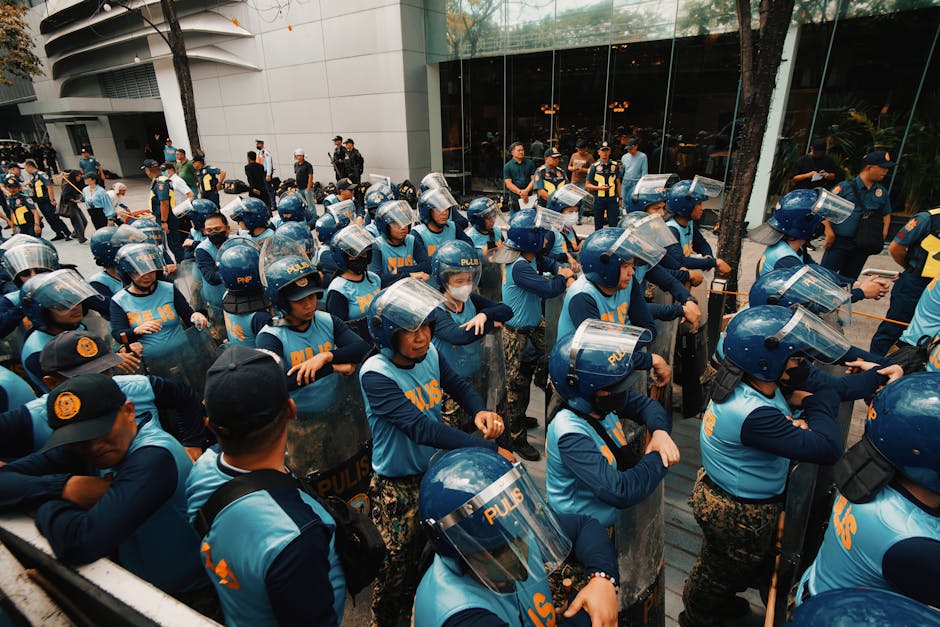
Thousands of Paris Saint-Germain (PSG) fans took to the streets of France to celebrate their team’s Champions League victory over Arsenal, but the festivities quickly turned violent, resulting in hundreds of arrests. The French capital was filled with the sound of flares and cheering crowds, but the joy was short-lived as riot police intervened to quell the unrest. The main boulevards of Paris were blocked off, and thousands of officers were deployed to maintain order, highlighting the challenges faced by authorities in managing large-scale celebrations.
Current State of Unrest

The current situation in France is one of heightened tension, with authorities struggling to cope with the aftermath of the violent celebrations. The police have reported that hundreds of fans were arrested, and many more were injured in the clashes. The streets of Paris are still filled with the remnants of the celebrations, with broken glass and debris littering the sidewalks. The French government has condemned the violence, stating that it will not tolerate such behavior and will take all necessary measures to maintain public order. As the city begins to return to normal, the focus is shifting to the investigation into the causes of the violence and the measures that can be taken to prevent such incidents in the future.
History of Football-Related Violence

The story behind the violence is complex and multifaceted, with a long history of football-related unrest in France. The country has struggled to cope with the passion and intensity of its fans, and the authorities have often been caught off guard by the scale and ferocity of the violence. In recent years, there have been numerous incidents of football-related violence, including clashes between rival fans and attacks on police officers. The French government has implemented various measures to try and reduce the violence, including increased security at stadiums and stricter laws to punish those involved in football-related disorder. However, despite these efforts, the problem persists, and the latest incident highlights the need for a more comprehensive and effective approach to addressing the issue.
Key Figures and Motivations

The individuals involved in the violence are often young men who are passionate about football and feel a strong sense of loyalty to their team. They are often motivated by a desire to celebrate their team’s victory and to assert their dominance over rival fans. However, this passion and loyalty can quickly turn to anger and aggression, particularly when fueled by alcohol and other factors. The police and authorities are also key players in the drama, as they struggle to balance the need to maintain public order with the need to respect the rights of fans to celebrate and express themselves. The French government has also been criticized for its handling of the situation, with some arguing that it has been too heavy-handed in its response to the violence.
Consequences and Implications

The consequences of the violence are far-reaching and significant, with hundreds of fans facing arrest and prosecution. The incident has also damaged the reputation of French football and has raised concerns about the ability of the authorities to manage large-scale events. The French government has announced an investigation into the incident, and there are likely to be calls for increased security measures and stricter laws to punish those involved in football-related disorder. The incident has also highlighted the need for a more nuanced and effective approach to addressing the root causes of the violence, including issues such as poverty, unemployment, and social exclusion. As the city of Paris begins to recover from the incident, the focus will shift to the long-term implications and the measures that can be taken to prevent such incidents in the future.
The Bigger Picture
The incident is part of a broader pattern of football-related violence that is a major concern for authorities across Europe. The phenomenon of football hooliganism is complex and multifaceted, and it requires a comprehensive and coordinated approach to address the root causes and prevent future incidents. The incident in Paris highlights the need for increased cooperation and information-sharing between authorities, as well as the need for more effective strategies to manage large-scale events and prevent violence. As the world of football continues to evolve and grow, it is essential that the authorities and stakeholders take a proactive and nuanced approach to addressing the challenges and risks associated with the sport.
In the aftermath of the incident, the focus will shift to the investigation and the measures that can be taken to prevent such incidents in the future. The French government has announced a review of its security measures and has pledged to take all necessary steps to maintain public order and prevent violence. As the city of Paris returns to normal, the incident will serve as a reminder of the challenges and risks associated with large-scale events and the need for a comprehensive and effective approach to addressing them.
Source: BBC