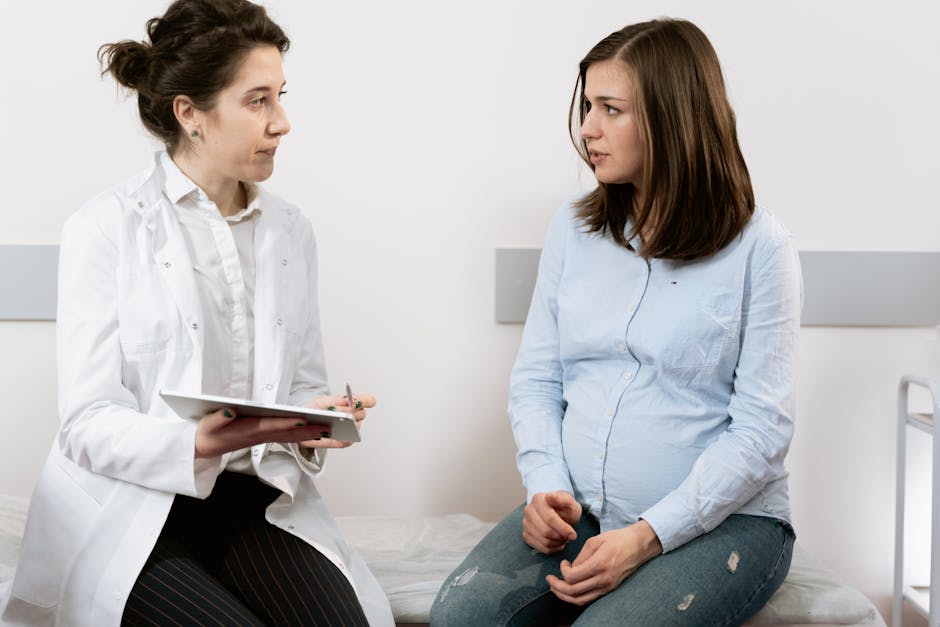
- Early interventions can significantly reduce risks associated with unhealthy weight gain during pregnancy.
- Optimal weight gain is crucial for the health of both the mother and the child.
- Insufficient weight gain can lead to low birth weight and preterm birth.
- Excessive weight gain increases the likelihood of preeclampsia and cesarean delivery.
- Nutritional counseling, diet plans, and regular health check-ups are vital for healthy weight gain during pregnancy.
Both too little and too much weight gain during pregnancy are associated with serious maternal and child health outcomes, including preterm birth, low birth weight, death, preeclampsia, and unplanned cesarean delivery. A recent review published by MedicalXpress emphasizes the critical role of early interventions in helping women achieve a healthy weight gain, which is particularly important in low- and middle-income countries where challenges such as food insecurity, poor diet, limited health care access, and inadequate micronutrient supplements are prevalent.
Why Early Interventions Matter for Optimal Weight Gain in Pregnancy

Early interventions are essential because they can significantly reduce the risks associated with unhealthy weight gain during pregnancy. According to the World Health Organization (WHO), optimal weight gain is crucial for the health of both the mother and the child. For instance, insufficient weight gain can lead to low birth weight and preterm birth, while excessive weight gain increases the likelihood of preeclampsia and cesarean delivery. These interventions, which can include nutritional counseling, diet plans, and regular health check-ups, are particularly vital in regions where women face significant barriers to maintaining a healthy lifestyle during pregnancy.
The Evidence for Early Interventions

The review, conducted by researchers from various global health institutions, analyzed data from multiple studies and found consistent evidence that early interventions can lead to better pregnancy outcomes. One study cited in the review, published in Nature, showed that women who received early nutritional counseling and dietary support were 30% less likely to experience preterm birth and 25% less likely to develop preeclampsia. Additionally, a WHO report highlighted that in low- and middle-income countries, where food insecurity is common, early interventions can reduce the incidence of low birth weight by 20%.
Skeptics and Alternative Views

While the review provides compelling evidence for the effectiveness of early interventions, some skeptics argue that the implementation of such programs can be challenging, especially in resource-poor settings. Critics point out that the cost and logistical hurdles of providing comprehensive nutritional support and regular health check-ups may outweigh the benefits in some regions. Furthermore, there is a concern that without sustained follow-up and community support, the initial gains from these interventions may not be maintained throughout the pregnancy. However, proponents argue that the long-term health benefits for both mothers and children justify the investment and that innovative, cost-effective solutions can be developed to address these challenges.
The Real-World Impact of Early Interventions

Early interventions have already shown concrete benefits in several low- and middle-income countries. In Bangladesh, for example, a program that provided micronutrient supplements and nutritional counseling to pregnant women resulted in a significant reduction in low birth weight and preterm births. Similarly, in Kenya, a community-based intervention that included home visits by health workers to monitor and support pregnant women’s nutrition and health led to improved birth outcomes and a decrease in maternal complications. These success stories demonstrate that with the right resources and support, early interventions can make a substantial difference in maternal and child health.
What This Means For You
If you are pregnant or planning to become pregnant, especially in a low- or middle-income country, it is crucial to seek early and consistent prenatal care. This can include nutritional counseling, regular health check-ups, and access to necessary supplements. By taking these steps, you can ensure optimal weight gain and reduce the risks of serious health complications for both yourself and your baby. Your healthcare provider can offer tailored advice and support to help you navigate this important period.
What are the specific challenges and solutions for implementing early interventions in low- and middle-income countries, and how can international organizations and local communities collaborate to overcome these barriers?
Source: MedicalXpress