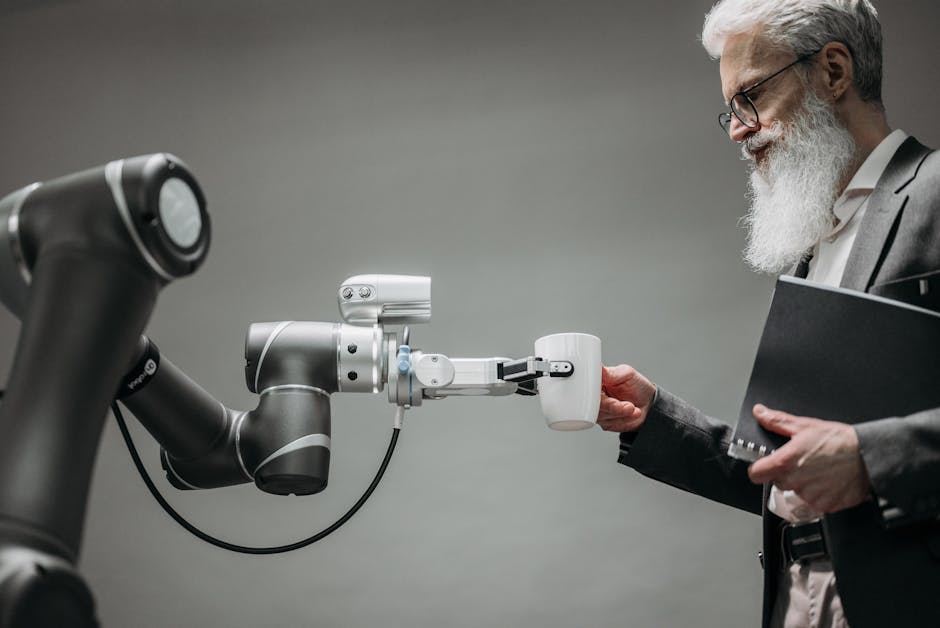
- Australia’s ageing population is driving the growth of the aged care industry, with a focus on introducing AI companion robots.
- AI companion robots are designed to provide companionship, support, and stimulation to the elderly, reducing feelings of loneliness and isolation.
- AI companion robots can learn and adapt to individual needs, providing personalized care and support.
- Several companies are developing AI companion robots for aged care, investing heavily in this technology.
- AI companion robots are designed to be user-friendly, with simple interfaces and intuitive controls.
Australia’s ageing population is driving the growth of the aged care industry, with a focus on introducing AI companion robots to reduce loneliness and improve the quality of life for the elderly. As the population ages, the demand for aged care services is increasing, and technology is being seen as a key solution. The use of AI companion robots is becoming more prevalent, with the goal of providing companionship and support to those in need.
The Rise of AI in Aged Care

The introduction of AI companion robots in aged care is a significant development, with the potential to revolutionize the way care is delivered. These robots are designed to provide companionship, support, and stimulation to the elderly, helping to reduce feelings of loneliness and isolation. With the ability to learn and adapt to an individual’s needs, AI companion robots can provide personalized care and support, improving the overall quality of life for those in aged care.
Key Players and Developments

Several companies are at the forefront of developing AI companion robots for aged care, including industry leaders who are investing heavily in this technology. These robots are being designed to be user-friendly, with simple interfaces and intuitive controls, making it easy for the elderly to interact with them. Additionally, virtual experiences are being developed to provide further stimulation and engagement, with the goal of ‘taking loneliness away’.
Expert Analysis and Insights

While the introduction of AI companion robots in aged care is a positive development, experts warn that technology should never replace the human element. Research has shown that human interaction is essential for the well-being and quality of life of the elderly, and that technology should be used to support and enhance this interaction, rather than replace it. Furthermore, there are concerns about the potential risks and limitations of relying on technology in aged care, including the potential for social isolation and decreased human interaction.
Implications and Future Directions

The introduction of AI companion robots in aged care has significant implications for the industry and for society as a whole. As the population ages, the demand for aged care services will continue to increase, and technology will play a critical role in meeting this demand. However, it is essential that the human element is not lost in the process, and that technology is used to support and enhance human interaction, rather than replace it. The future of aged care will depend on finding a balance between technology and human interaction, and ensuring that the needs of the elderly are met in a way that is both effective and compassionate.
Expert Perspectives
Experts in the field of aged care are divided on the role of AI companion robots, with some arguing that they have the potential to revolutionize the industry, while others warn of the risks of relying too heavily on technology. According to one expert, ‘technology should be used to support and enhance human interaction, rather than replace it’. Another expert notes that ‘the key to successful aged care is finding a balance between technology and human interaction, and ensuring that the needs of the elderly are met in a way that is both effective and compassionate’.
As the aged care industry continues to evolve, it is essential to consider the potential implications of AI companion robots and to ensure that they are used in a way that prioritizes the needs and well-being of the elderly. With the demand for aged care services expected to increase in the coming years, the role of technology will become increasingly important, and it is crucial that we find a balance between technology and human interaction that prioritizes the needs of those in care.
Source: The Guardian