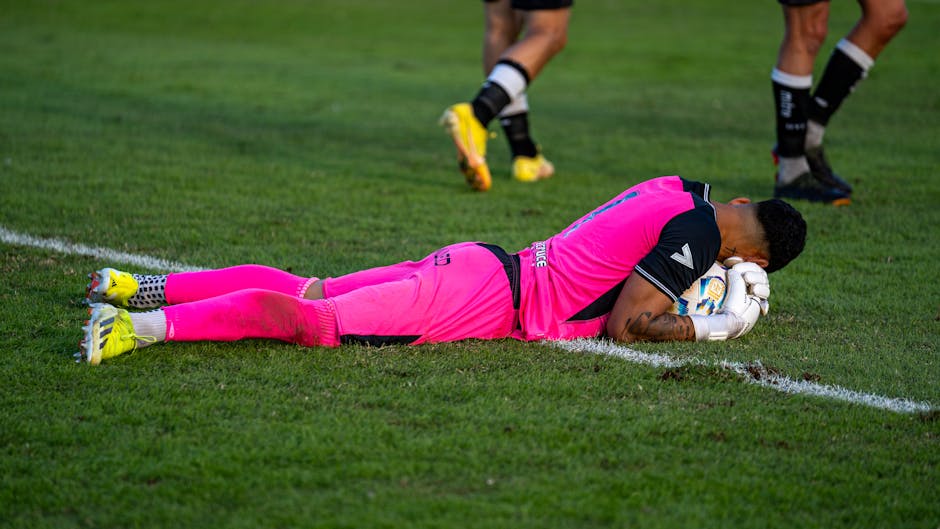
- FIFA is banning goalkeepers from entering the technical area to speak with coaches during injury stoppages at the 2026 World Cup.
- This new rule directly targets time-wasting tactics frequently employed by goalkeepers to disrupt game flow and gain strategic advantages.
- The aim is to promote a more fluid and exciting game by minimizing interruptions and encouraging more efficient communication.
- Teams will need to adapt their strategies and find alternative ways to communicate with players during the match, especially regarding tactics.
- The decision follows growing criticism from fans and commentators regarding excessive time-wasting and its negative impact on the spectator experience.
The Fédération Internationale de Football Association (FIFA) has announced a significant rule change for the 2026 World Cup, banning players from entering the technical area to confer with coaches when goalkeepers are injured. This decision aims to curb time-wasting and enhance player safety. The new rule will be implemented at the upcoming World Cup, marking a substantial shift in the game’s dynamics.
Current State of the Game

The current situation in football has led to an increased focus on time-wasting tactics, with goalkeepers often feigning injuries to give their teammates a chance to regroup and discuss strategy. This practice has been criticized for disrupting the flow of the game and affecting the overall spectator experience. By banning goalkeeper tactical timeouts, FIFA hopes to promote a more fluid and exciting game. The rule change will require teams to adapt their strategies and communicate more effectively during matches.
Historical Context

The story behind the ban on goalkeeper tactical timeouts is rooted in the ongoing debate about time-wasting in football. Over the years, the sport has witnessed a rise in teams exploiting loopholes in the rules to gain an unfair advantage. The issue gained significant attention during recent international tournaments, with fans and commentators alike expressing frustration over the repeated interruptions to the game. In response, FIFA has been working to address the problem, and the new rule represents a major step towards reducing time-wasting and improving the overall quality of the game.
Key Players and Motivations

The decision to ban goalkeeper tactical timeouts has been shaped by a combination of factors, including input from coaches, players, and fans. FIFA’s governing body has been motivated by a desire to enhance the spectator experience and promote fair play. The new rule is also expected to impact team strategies, with coaches needing to find alternative ways to communicate with their players during matches. As the 2026 World Cup approaches, teams will be watching closely to see how the rule change is implemented and how it affects the game.
Consequences and Implications

The ban on goalkeeper tactical timeouts will have significant consequences for teams and players. The new rule will require teams to be more efficient in their communication and strategy, as they will no longer be able to rely on timeouts to regroup. This change is expected to lead to a more dynamic and fast-paced game, with teams needing to think on their feet and make quick decisions. The rule change may also lead to an increase in yellow and red cards, as players who attempt to waste time may be penalized more harshly.
The Bigger Picture
The ban on goalkeeper tactical timeouts is part of a broader effort by FIFA to improve the game and enhance the spectator experience. The new rule reflects a growing recognition of the need to address time-wasting and promote fair play. As the sport continues to evolve, it is likely that we will see further rule changes aimed at improving the game. The Fédération Internationale de Football Association is committed to creating a more exciting and competitive game, and the ban on goalkeeper tactical timeouts is an important step towards achieving this goal.
In conclusion, the ban on goalkeeper tactical timeouts at the 2026 World Cup marks a significant shift in the game’s dynamics. As teams adapt to the new rule, fans can expect a more fast-paced and exciting game. The coming months will be crucial in determining how the rule change is implemented and how it affects the sport as a whole. For more information on the rule change and its implications, visit the BBC Sport website.
Source: BBC