- Colombia’s presidential election marks a significant shift in the country’s approach to conflict resolution.
- The election outcome will have significant implications for Colombia’s stability and its relations with the international community.
- The candidates in the running have distinct visions for the country’s future, ranging from continued support for Petro’s policies to a more conservative approach.
- The Colombian electorate is deeply divided, with voters expressing strong support for Petro’s ally and pro-Trump candidate.
- The election is a referendum on outgoing President Gustavo Petro’s policies, which focus on addressing conflict’s root causes and promoting equality.
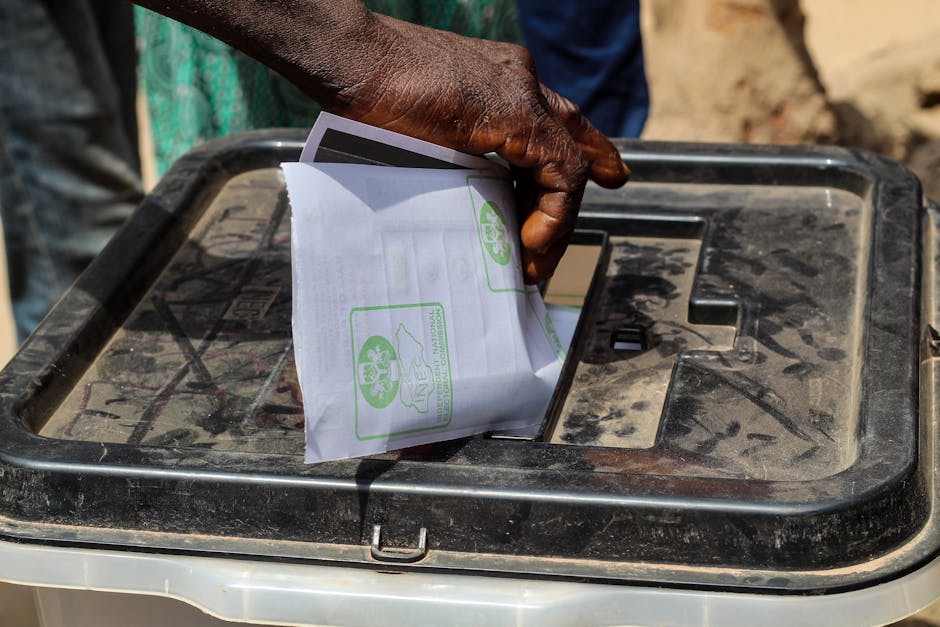
What does Colombia’s presidential election mean for the country’s future, and why should the world be paying attention? Colombians are casting ballots in the first round of the South American nation’s presidential election, choosing between candidates with radically diverging visions for the future of peace in a country haunted by decades of armed conflict. The outcome of this election will have significant implications for the country’s stability and its relations with the international community.
Understanding the Election

The vote on Sunday is seen as a referendum on outgoing President Gustavo Petro’s policies, which have focused on addressing the root causes of conflict and promoting social and economic equality. The election comes 10 years after Colombia signed a historic peace pact with guerrillas of the Revolutionary Armed Forces of Colombia (Farc), marking a significant shift in the country’s approach to conflict resolution. The candidates in the running have distinct visions for the country’s future, ranging from continued support for Petro’s policies to a more conservative approach that emphasizes law and order.
Evidence of a Divided Electorate

Data from recent polls suggests that the Colombian electorate is deeply divided, with some voters expressing strong support for Petro’s ally and others backing pro-Trump candidates. According to a report by The Guardian, the election has been marked by a high level of polarization, with candidates engaging in heated debates and accusations of corruption. This division is reflected in the country’s history, with decades of armed conflict leaving deep scars and a legacy of mistrust among different groups.
Counter-Perspectives and Skepticism

Not all Colombians are optimistic about the election, with some expressing skepticism about the ability of any candidate to bring about meaningful change. Critics argue that the election has been marked by a lack of substance, with candidates focusing on personality and ideology rather than policy. Others have raised concerns about the potential for fraud and the influence of external actors, including the United States. These concerns are not unfounded, given the country’s history of electoral irregularities and the significant stakes involved in this election.
Real-World Impact

The outcome of this election will have significant consequences for Colombia and the wider region. A victory for Petro’s ally could lead to continued support for the country’s peace process and a deepening of relations with neighboring countries. On the other hand, a win for a pro-Trump candidate could lead to a shift towards a more conservative approach, potentially destabilizing the region and undermining the peace process. The election will also have implications for the country’s economy, with different candidates proposing distinct approaches to issues such as trade and investment.
What This Means For You
So what can readers take away from this election? The outcome will have significant implications for Colombia’s future and the wider region, and will be closely watched by governments and investors around the world. As the country navigates this critical juncture, it is essential to stay informed about the latest developments and to consider the potential consequences of different outcomes. By doing so, readers can gain a deeper understanding of the complex issues at play and the ways in which they may impact the world.
As Colombia looks to the future, one question remains: what will be the long-term legacy of this election, and how will it shape the country’s path to peace and prosperity? The answer to this question will depend on a range of factors, including the policies of the incoming government and the ability of different groups to work together towards a common goal. As the situation continues to evolve, it will be essential to stay informed and to consider the potential implications of different outcomes.
Source: The Guardian