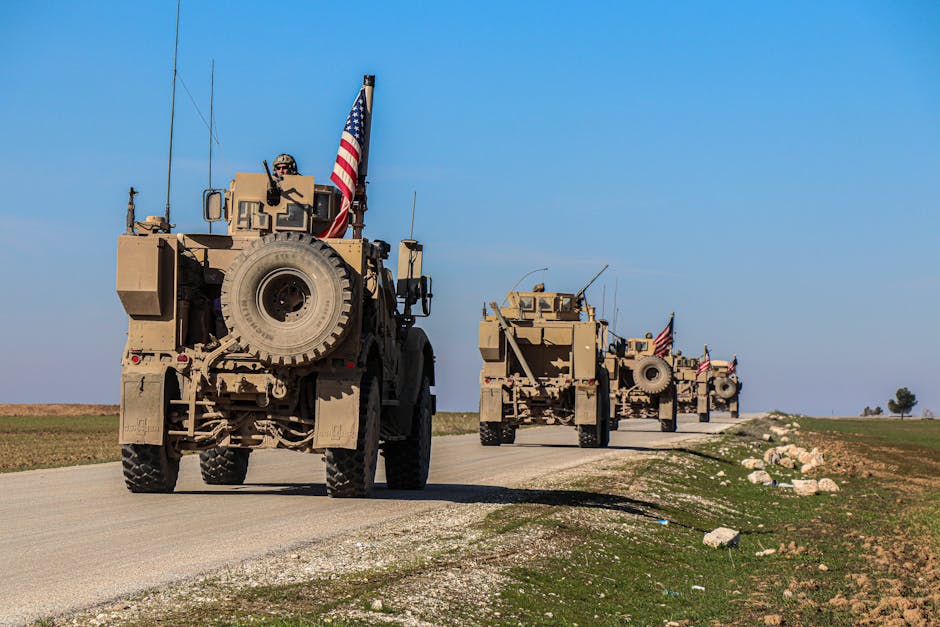
- Tom Barrack, US President Donald Trump’s envoy, is stepping down from his formal post in Syria, but will retain influence in US policy.
- The US seeks to navigate complex alliances and conflicts in the Middle East, with Syria being a crucial point of contention.
- US involvement in Syria since its early stages has focused on combating ISIS and other extremist groups.
- The Trump administration has shifted US policy in the region, prioritizing troop withdrawals and letting regional powers take the lead.
- The situation in Syria remains volatile, with various factions vying for control and humanitarian concerns persisting.
US President Donald Trump’s envoy, Tom Barrack, is set to step down from his formal post in Syria, according to Senator Marco Rubio. Despite leaving his current position, Barrack will retain a key role in managing US policy in both Syria and Iraq, indicating a continued influence in the region. This development comes as the US seeks to navigate the complex web of alliances and conflicts in the Middle East, with Syria being a crucial point of contention.
Current State of US Involvement in Syria

The US has been involved in the Syrian conflict since its early stages, with a focus on combating ISIS and other extremist groups. However, the role of the US in the region has been subject to change under the Trump administration, with a greater emphasis on withdrawing troops and letting regional powers take the lead. Tom Barrack’s continued involvement in US policy in Syria and Iraq suggests that the US is not entirely disengaging from the region, but rather seeking to manage its interests through different channels. The situation on the ground remains volatile, with various factions vying for control and humanitarian concerns persisting.
Background to US Policy in Syria

The US engagement in Syria began as a response to the rapid expansion of ISIS, with the Obama administration launching airstrikes against the group in 2014. Since then, US policy has evolved, with the Trump administration initially signaling a more aggressive stance against ISIS, followed by announcements of troop withdrawals. This shift in policy has been marked by contradictions, reflecting the complexities of the conflict and the challenges of achieving clear objectives in a multifaceted war. The historical context of US involvement in the Middle East, including past interventions and alliances, also plays a significant role in shaping current policy decisions.
Key Players and Their Motivations

Tom Barrack, as a key figure in Trump’s Middle East policy, has been instrumental in shaping the administration’s approach to the region. His decision to step down from his formal post in Syria while retaining influence over US policy suggests a strategic move to maintain leverage without the formal responsibilities of the position. Senator Marco Rubio’s announcement of Barrack’s new role indicates a level of bipartisan awareness and possibly support for the move, highlighting the political nuances involved in US foreign policy decisions. The motivations behind Barrack’s continued involvement likely include a desire to stabilize the region, protect US interests, and navigate the complex diplomatic landscape.
Consequences for the Region and Stakeholders

The consequences of Tom Barrack’s new role in managing US policy in Syria and Iraq will be closely watched by regional stakeholders, including the Syrian government, opposition groups, and international partners. The US decision to maintain a level of engagement, albeit in a changed capacity, may impact the balance of power in the region and influence the trajectory of the conflict. For Syria, this could mean continued instability, while for the US, it represents a attempt to balance withdrawal with the need to secure its interests and prevent the resurgence of extremist groups. The implications for Iraq are also significant, given its shared border with Syria and the historical ties between the two countries.
The Bigger Picture
The development in Tom Barrack’s role reflects the broader challenges faced by the US in its foreign policy endeavors, particularly in the Middle East. The region’s complex geopolitics, coupled with the rise of new global powers, necessitates a nuanced approach that balances immediate interests with long-term strategic goals. The US must navigate not only the local dynamics of each country but also the interests of other global actors, including Russia, China, and European nations. This situation underscores the need for a coherent and sustainable foreign policy that addresses both the symptoms and the root causes of conflicts.
As the situation in Syria and Iraq continues to evolve, the international community will be watching closely to see how the US, under Tom Barrack’s continued influence, navigates the challenges ahead. The coming months will be crucial in determining the success of this new approach and its impact on the region. With the stakes high for all involved, a careful and informed strategy will be essential in achieving stability and promoting peace in one of the world’s most troubled regions. For more information on the conflict in Syria, visit the Syrian Civil War page on Wikipedia or BBC News’ coverage of the Middle East.
Source: Al Jazeera