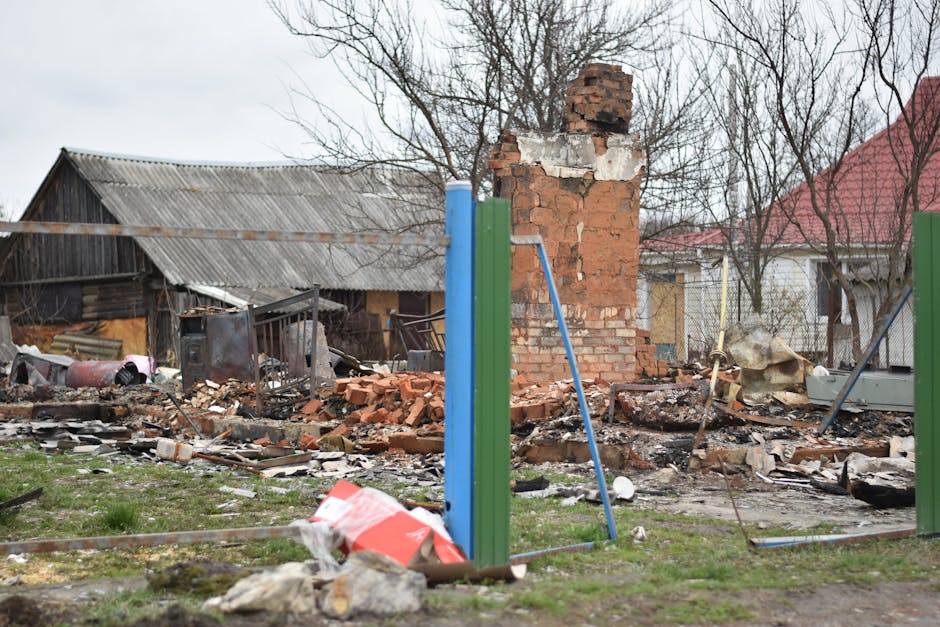
- Israeli fighter jets attacked a residential building in Ain Qana, a village in southern Lebanon, causing civilian casualties.
- The attack is believed to be part of a larger operation against militant groups in the region, sparking outrage among local residents.
- The Israeli military has not commented on the strike, while international organizations have condemned the incident.
- The situation in southern Lebanon remains volatile, with ongoing airstrikes and artillery fire reported in the area.
- The conflict between Israel and Lebanon has a long and complex history, dating back to the 1970s.
Israeli fighter jets struck a residential building in the village of Ain Qana in southern Lebanon, resulting in civilian casualties. The attack, which was captured on video, has raised concerns about the escalating tensions between Israel and Lebanon. The Israeli military has not commented on the strike, but it is believed to be part of a larger operation against militant groups in the region. The incident has sparked outrage among local residents and has drawn condemnation from international organizations.
Current Situation on the Ground

The situation in southern Lebanon remains volatile, with reports of ongoing airstrikes and artillery fire. The Israeli military has been conducting operations in the area for several weeks, targeting what it says are militant groups affiliated with Hezbollah. The Lebanese government has denounced the attacks, saying they are a violation of the country’s sovereignty. The United Nations has called for restraint from all parties involved, citing concerns about the impact on civilians. As the situation continues to unfold, residents of Ain Qana and other nearby villages are bracing for further violence.
Historical Context of the Conflict

The conflict between Israel and Lebanon has a long and complex history, dating back to the 1970s. The two countries have fought several wars, including a devastating conflict in 2006 that resulted in the deaths of thousands of civilians. The situation has remained tense ever since, with periodic outbreaks of violence along the border. The rise of militant groups such as Hezbollah has further complicated the situation, with Israel viewing the group as a significant threat to its national security. The international community has been working to broker a peace agreement, but progress has been slow.
Key Players in the Conflict

The conflict in southern Lebanon involves a number of key players, including the Israeli military, the Lebanese government, and militant groups such as Hezbollah. The Israeli military has been conducting operations in the area for several weeks, targeting what it says are militant groups affiliated with Hezbollah. The Lebanese government has denounced the attacks, saying they are a violation of the country’s sovereignty. Hezbollah, which is backed by Iran, has vowed to retaliate against Israel for the airstrikes. The group’s leader, Hassan Nasrallah, has called on his followers to prepare for a long and difficult conflict.
Consequences of the Airstrike

The consequences of the airstrike on Ain Qana village are still unfolding, but it is clear that the attack has had a significant impact on civilians. The strike has resulted in the deaths of several civilians, including women and children, and has caused widespread damage to residential buildings. The attack has also sparked outrage among local residents, who are calling for an end to the violence. The international community has condemned the attack, with the United Nations calling for an investigation into the incident. As the situation continues to unfold, it is likely that the consequences of the airstrike will be felt for some time to come.
The Bigger Picture
The airstrike on Ain Qana village is part of a larger conflict that has been ongoing for decades. The conflict between Israel and Lebanon is complex and multifaceted, involving a number of different players and interests. The situation has been further complicated by the rise of militant groups such as Hezbollah, which has vowed to retaliate against Israel for the airstrikes. The international community has been working to broker a peace agreement, but progress has been slow. As the situation continues to unfold, it is clear that a lasting resolution to the conflict will require a comprehensive and nuanced approach that takes into account the complex history and politics of the region. For more information on the conflict, visit the Israeli-Lebanese conflict page on Wikipedia.
The situation in southern Lebanon remains volatile, and it is likely that the conflict will continue to escalate in the coming days and weeks. As the international community works to broker a peace agreement, it is clear that a lasting resolution will require a commitment to diplomacy and a willingness to compromise. The consequences of the airstrike on Ain Qana village are a stark reminder of the human cost of the conflict, and the need for a peaceful resolution that takes into account the needs and concerns of all parties involved. For the latest updates on the conflict, visit the Reuters Middle East news page.
Source: Al Jazeera