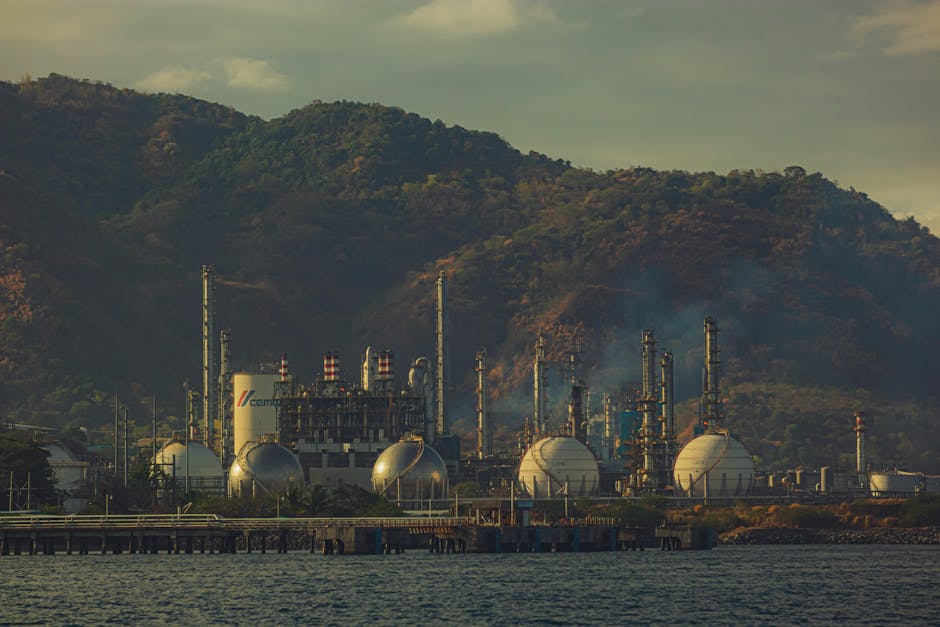
- A comprehensive study in Nature reveals high emissions from the US oil and gas industry, highlighting the need for immediate action to reduce greenhouse gas emissions.
- The study used nearly one million aerial site measurements to quantify emissions from the US oil and gas system, providing unprecedented insight into the industry’s environmental impact.
- The US oil and gas industry is a significant contributor to the country’s economy but also has a substantial environmental impact, with greenhouse gases contributing to climate change.
- The study’s findings indicate that the US oil and gas system emissions are higher than previously estimated, emphasizing the need for reduction strategies.
- The research emphasizes the importance of using novel approaches, such as aerial measurements and machine learning algorithms, to identify and quantify emissions from the industry.
A comprehensive study published in Nature has shed light on the US oil and gas system emissions, utilizing nearly one million aerial site measurements. The research, which was published online on May 29, 2026, provides an unprecedented insight into the emissions from the US oil and gas industry, highlighting the alarming rates of greenhouse gas emissions. The study’s findings have significant implications for the environment, policymakers, and the industry as a whole, emphasizing the need for immediate action to reduce emissions and mitigate climate change.
Background and Context

The US oil and gas industry is a significant contributor to the country’s economy, but it also has a substantial environmental impact. The extraction, transportation, and production of oil and gas result in the release of greenhouse gases, including methane and carbon dioxide, which contribute to climate change. The study’s authors aimed to quantify the emissions from the US oil and gas system, using a novel approach that involved aerial measurements of nearly one million sites. This research is crucial in understanding the scope of the problem and identifying areas where emissions can be reduced.
Key Findings and Methodology

The study’s key findings indicate that the US oil and gas system emissions are higher than previously estimated. The researchers used a combination of aerial measurements and machine learning algorithms to identify and quantify emissions from individual sites. The results show that the majority of emissions come from a small percentage of sites, highlighting the need for targeted interventions to reduce emissions. The study’s methodology provides a robust and accurate estimate of emissions, which can be used to inform policy and industry decisions.
Analysis and Implications

The study’s findings have significant implications for the environment, policymakers, and the industry. The high rates of emissions from the US oil and gas system contribute to climate change, posing a threat to ecosystems, human health, and the economy. The research highlights the need for immediate action to reduce emissions, including the implementation of stricter regulations, increased investment in renewable energy, and the development of more efficient technologies. Furthermore, the study’s results can be used to identify areas where emissions can be reduced, providing a roadmap for policymakers and industry leaders to mitigate the environmental impact of the US oil and gas industry.
Expert Perspectives and Forward Look

Experts in the field have welcomed the study’s findings, emphasizing the need for urgent action to reduce emissions from the US oil and gas system. According to Nature, the study’s authors suggest that a combination of policy interventions and technological innovations can help reduce emissions. As the world transitions towards a low-carbon economy, the US oil and gas industry must adapt to reduce its environmental impact. The study’s results provide a critical foundation for future research, policymaking, and industry decisions, highlighting the need for continued monitoring and reduction of emissions from the US oil and gas system.
Expert Perspectives
Contrasting viewpoints on the study’s findings highlight the complexity of the issue. Some experts argue that the study’s results are alarming and require immediate action, while others suggest that the emissions can be reduced through technological innovations and industry-led initiatives. The debate surrounding the study’s findings underscores the need for a nuanced approach to addressing the environmental impact of the US oil and gas industry.
Looking forward, the key question is how the US oil and gas industry will respond to the study’s findings. Will policymakers and industry leaders take decisive action to reduce emissions, or will the status quo prevail? The answer to this question will have significant implications for the environment, the economy, and the future of the US oil and gas industry. As the world continues to transition towards a low-carbon economy, the US oil and gas system must evolve to reduce its environmental impact, and the study’s findings provide a critical foundation for this transition.
Source: Nature