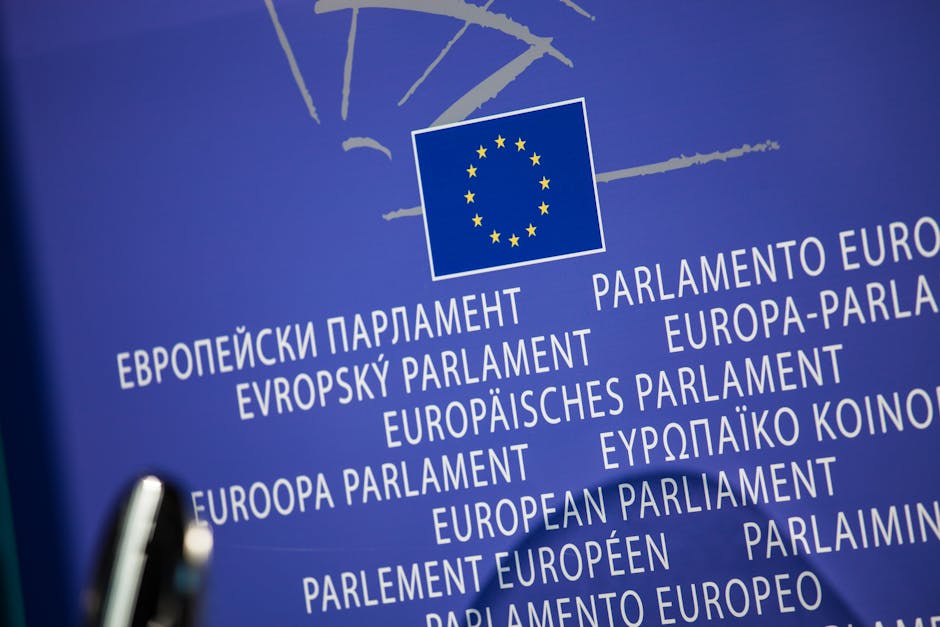
- Armenia is facing diplomatic pressure from Russia amid its efforts to strengthen ties with the European Union.
- The Eurasian Economic Union (EAEU) has warned Armenia of potential suspension due to its EU ties.
- Armenian Prime Minister Nikol Pashinyan received a US-backed endorsement, further straining relations with Russia.
- Russia has taken a hardline stance against Armenia, drawing parallels with Ukraine’s situation.
- Armenia’s economic and political ties with both Russia and the EU are at risk due to the escalating tensions.
Armenia is facing increased pressure from Russia, including the recall of its ambassador, as the country prepares for decisive elections on June 7. The move comes after Armenian Prime Minister Nikol Pashinyan received a “complete and total endorsement” from former US President Donald Trump, further straining relations between Yerevan and Moscow. The escalation is a significant development in the region, with implications for Armenia’s economic and political ties with both Russia and the European Union.
Background on Armenia’s EU Shift

The current tensions between Armenia and Russia are rooted in Yerevan’s efforts to strengthen its ties with the European Union. Armenia’s shift towards the EU has been met with resistance from Moscow, which sees the move as a threat to its influence in the region. The Eurasian Economic Union (EAEU), a Russian-led economic bloc, has warned Armenia that it may face suspension if it continues to pursue closer ties with the EU. This warning, combined with trade bans and the recall of the Russian ambassador, demonstrates the significant pressure Armenia is under to reconsider its foreign policy orientation.
Key Details of the Dispute

The dispute between Armenia and Russia has been escalating in recent weeks, with Moscow taking an increasingly hardline stance against Yerevan. Russian President Vladimir Putin has drawn parallels between Armenia’s situation and that of Ukraine, implying that Armenia’s pursuit of closer EU ties could lead to similar consequences. This comparison is particularly significant, given the ongoing conflict between Russia and Ukraine. The situation has been further complicated by Trump’s endorsement of Pashinyan, which has been seen as a signal of US support for Armenia’s EU ambitions.
Analysis of the Situation

Experts believe that Russia’s actions are aimed at influencing the outcome of the upcoming elections in Armenia. By exerting economic pressure and recalling its ambassador, Moscow is attempting to undermine Pashinyan’s government and discourage voters from supporting his EU-oriented policies. However, this strategy may backfire, as it could galvanize support for Pashinyan and his party. According to Euronews, the elections will be a crucial test of Armenia’s commitment to its EU aspirations, and the outcome will have significant implications for the country’s future.
Implications for Armenia and the Region

The implications of the current situation are far-reaching, with potential consequences for Armenia’s economy, political stability, and regional relationships. If Armenia is suspended from the EAEU, it could face significant economic costs, including loss of access to Russian markets and potential disruptions to trade. Furthermore, the situation could exacerbate tensions between Russia and the EU, particularly if the EU decides to provide additional support to Armenia. As noted by Reuters, the situation in Armenia is being closely watched by regional observers, who are concerned about the potential for further escalation.
Expert Perspectives
Experts are divided on the likely outcome of the situation, with some believing that Armenia will ultimately be forced to abandon its EU ambitions, while others see the country’s determination to pursue closer ties with the EU as a sign of its growing independence. According to one analyst, “Armenia’s pursuit of EU ties is a natural response to the changing regional landscape, and it is unlikely that the country will be swayed by Russian pressure.” However, others have warned that the situation could lead to further instability in the region, particularly if Russia decides to take more drastic measures to protect its interests.
As the situation continues to unfold, observers will be watching closely to see how Armenia navigates the challenges ahead. The outcome of the elections will be a crucial indicator of the country’s future direction, and the international community will be keenly aware of the implications for regional stability and the balance of power between Russia and the EU. As the BBC has noted, the situation in Armenia is a complex and evolving one, and it will require careful diplomacy and strategic thinking to resolve.
Source: Euronews