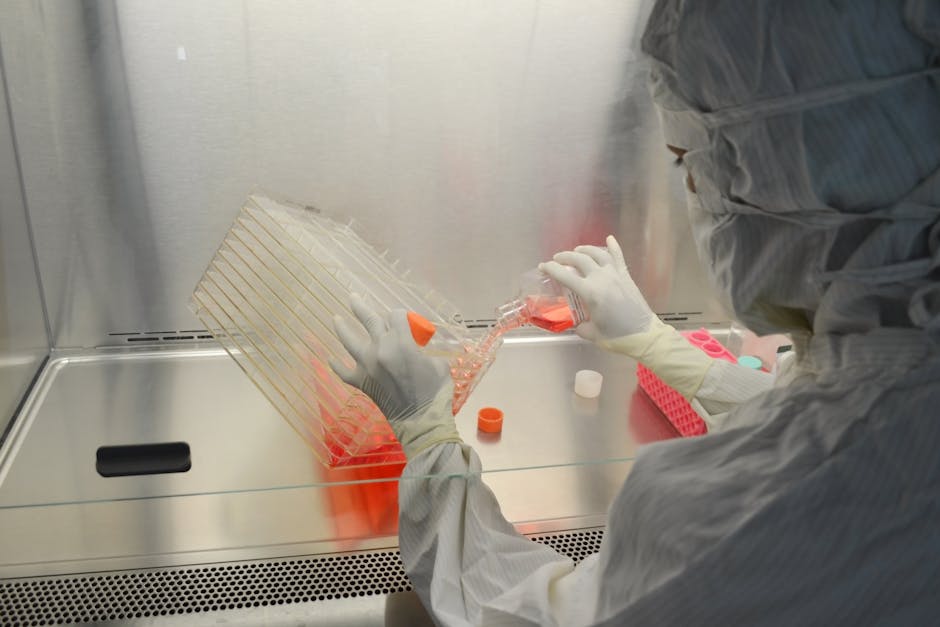
- Biotech Barbie Cathy Tie aims to genetically modify human embryos, sparking controversy and debate.
- Tie’s mission is not without precedent, with her ex-husband involved in similar practices in the gene editing community.
- Tie’s efforts in biotechnology have raised concerns about the ethics and safety of gene editing procedures.
- Cathy Tie’s background includes unconventional projects such as turning horses into unicorns, showcasing her willingness to take risks.
- The gene editing community remains divided over Tie’s plans, with some praising her innovative spirit and others expressing concern.
Cathy Tie, a Canadian entrepreneur known as “Biotech Barbie”, is pushing the boundaries of gene editing with her mission to genetically modify human embryos. Tie, who has a history of attempting unconventional projects, such as turning horses into unicorns, is now focused on modifying human embryos, a practice that has sparked controversy and debate. Her plans have raised concerns among experts and the public, with some questioning the ethics and safety of such procedures.
Current Developments in Gene Editing

Tie’s mission to genetically modify babies is not without precedent. Her ex-husband, who was jailed for similar practices, has been a prominent figure in the gene editing community. Tie’s own efforts, however, have been met with a mix of fascination and concern. As she takes the stage at Carnegie Hall, performing a piano concerto with an orchestra, her confidence and charisma are on full display. But beneath the glamour and talent, Tie’s true passion lies in the field of biotechnology, where she is determined to make a name for herself as a pioneer in gene editing.
A History of Innovation and Controversy

Tie’s history of pushing boundaries and challenging conventional wisdom is well-documented. From her attempts to turn horses into unicorns to her current mission to genetically modify human embryos, Tie has consistently demonstrated a willingness to take risks and challenge the status quo. While some have praised her innovative spirit and determination, others have raised concerns about the ethics and safety of her practices. As the debate surrounding gene editing continues to evolve, Tie’s role in the conversation is likely to be a significant one.
The Key Players in the Gene Editing Debate

Tie is not the only player in the gene editing debate, but her high profile and charisma have made her a central figure in the conversation. With her ex-husband’s history of controversy and her own determination to push the boundaries of gene editing, Tie’s motivations and goals are being closely scrutinized. As the scientific community and the public at large grapple with the implications of gene editing, Tie’s role in shaping the conversation will be closely watched. Her relationships with other key players in the field, including scientists, ethicists, and policymakers, will be crucial in determining the future of gene editing.
Consequences and Implications

The consequences of Tie’s mission to genetically modify babies are far-reaching and complex. While some argue that gene editing has the potential to revolutionize the treatment of genetic diseases, others raise concerns about the ethics and safety of such procedures. As the debate continues to evolve, stakeholders including parents, scientists, and policymakers must navigate the complex implications of gene editing. Tie’s plans have sparked a necessary conversation about the boundaries of science and the ethics of innovation, and her determination to push the boundaries of gene editing will likely have a lasting impact on the field.
The Bigger Picture
The debate surrounding gene editing is not just about Cathy Tie or her mission to genetically modify babies; it is about the future of science and the boundaries of human innovation. As scientific advancements continue to push the boundaries of what is possible, the need for nuanced and informed conversation about the ethics and implications of such innovations has never been more pressing. Tie’s role in the conversation may be controversial, but it has sparked a necessary debate about the future of gene editing and the responsibility that comes with scientific innovation.
As the gene editing debate continues to evolve, one thing is clear: the future of science and the boundaries of human innovation will be shaped by the conversations we have today. With Tie’s mission to genetically modify babies at the forefront of the conversation, stakeholders must navigate the complex implications of gene editing and consider the long-term consequences of such innovations. As we look to the future, it is clear that the debate surrounding gene editing will be a defining feature of the scientific landscape for years to come.
Source: The Guardian