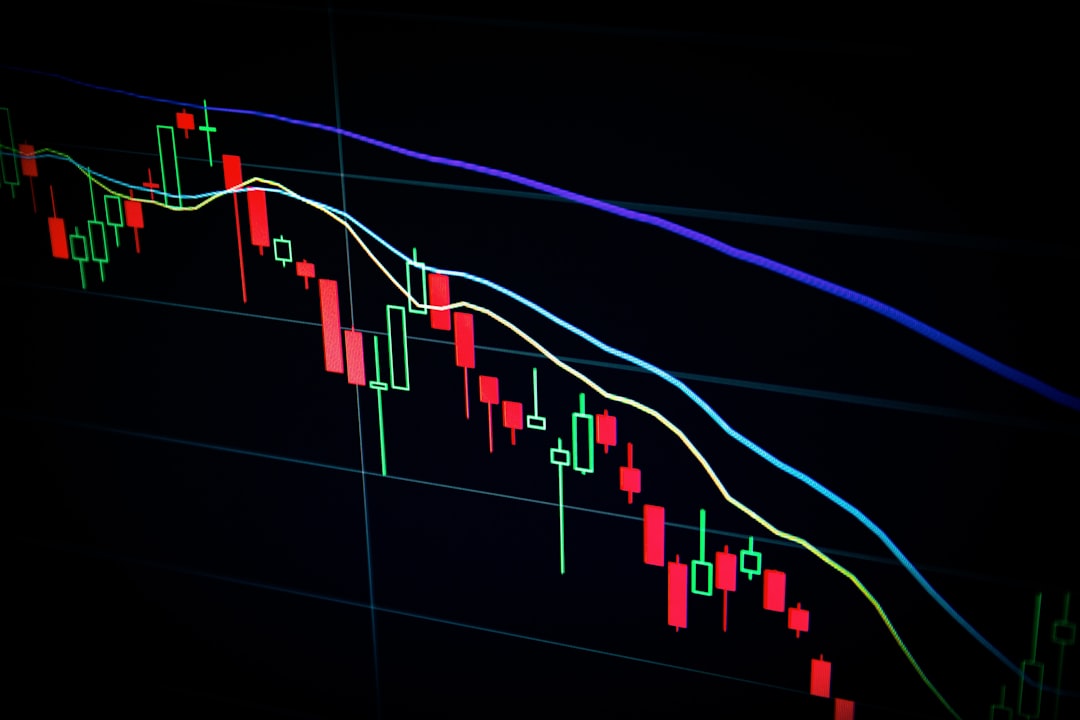
- The US prediction market sector is expanding rapidly, with a surge in industry value despite concerns about oversight and regulation.
- President Trump has been criticized for his handling of the issue, with a lack of effective regulation leading to a proliferation of online platforms.
- The sector’s rapid growth has raised concerns about its impact on society, with individuals betting on various events, including election outcomes and sports events.
- The lack of clarity and consistency in regulation has allowed key players to exploit loopholes, offering a wide range of betting options.
- The industry’s unregulated growth has attracted investors, but also raised concerns about potential risks and consequences.
The US prediction market sector is expanding at a breakneck speed, with the industry’s value surging in recent years, despite concerns about oversight and regulation. At the center of the storm is President Trump, who has been criticized for his handling of the issue. The lack of effective regulation has led to a proliferation of online platforms, allowing individuals to bet on everything from election outcomes to sports events, raising questions about the sector’s impact on society.
Current State of the Prediction Markets

The current situation is marked by a lack of clarity and consistency in the regulation of prediction markets. Key players in the industry, such as online platforms and betting operators, are taking advantage of the loopholes in the system, offering a wide range of betting options to customers. The sector’s rapid growth has also attracted the attention of investors, with many pouring money into the industry, hoping to capitalize on its potential. However, the absence of effective oversight has raised concerns about the potential risks and consequences of this unregulated growth.
A Brief History of Prediction Markets

The story behind the surge in prediction markets is complex and multifaceted. Historically, prediction markets have been used as a tool for forecasting and risk management, with roots dating back to the 19th century. However, the advent of the internet and the rise of online platforms have transformed the industry, making it more accessible and widespread. The sector’s growth has also been fueled by the increasing popularity of big data and analytics, which have enabled more accurate and sophisticated forecasting models. Despite these advances, the lack of effective regulation has hindered the industry’s ability to reach its full potential.
Key Players and Motivations

The individuals and organizations shaping the prediction market sector are diverse and motivated by a range of factors. Some, such as online platform operators, are driven by the potential for profit, while others, such as investors, are attracted by the sector’s growth potential. Regulators, on the other hand, are grappling with the challenges of overseeing an industry that is rapidly evolving and increasingly complex. President Trump’s administration has faced criticism for its handling of the issue, with some arguing that it has failed to provide adequate guidance and oversight. As the sector continues to grow, it is likely that these motivations will become increasingly important in shaping its future.
Consequences of Unregulated Growth

The consequences of the prediction market sector’s unregulated growth are far-reaching and potentially significant. For stakeholders, including investors, customers, and regulators, the lack of oversight raises concerns about the potential risks and consequences of this growth. The absence of effective regulation has also created opportunities for illicit activities, such as money laundering and fraud, to thrive. Furthermore, the sector’s impact on society, including its potential to influence election outcomes and shape public opinion, is still not fully understood. As the industry continues to expand, it is essential that regulators and policymakers take a more proactive approach to addressing these concerns.
The Bigger Picture
The surge in prediction markets is part of a broader trend towards the increasing use of data and analytics in decision-making. As reported by the Financial Times, the growth of the sector has significant implications for the way we think about risk, uncertainty, and probability. The use of prediction markets as a tool for forecasting and risk management has the potential to transform industries, from finance to healthcare, and to improve our understanding of complex systems and phenomena. However, the lack of effective regulation and oversight threatens to undermine the sector’s potential, highlighting the need for a more nuanced and informed approach to its development.
As the prediction market sector continues to evolve, it is likely that we will see increased scrutiny and debate about its impact and implications. With the history of prediction markets serving as a reminder of the sector’s potential and pitfalls, regulators and policymakers must take a proactive approach to addressing the challenges and concerns surrounding its growth. By doing so, they can help to ensure that the sector develops in a way that is transparent, accountable, and beneficial to society as a whole.
Source: Financial Times