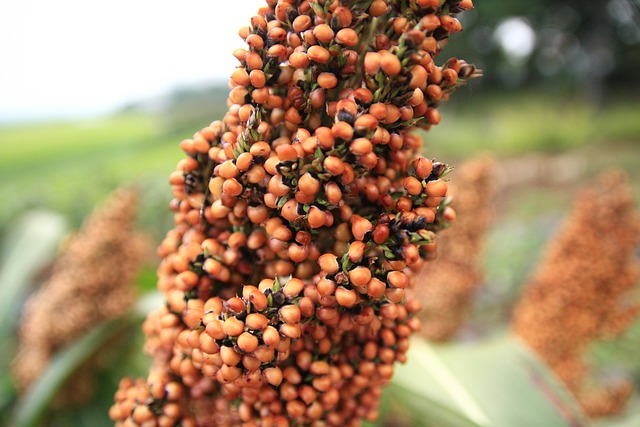
- Scientists mapped the sugarcane genome, a breakthrough in understanding and cultivating this vital crop.
- The genome reveals a complex genetic architecture with significant implications for sugarcane production.
- Sugarcane is a polyploid crop with multiple sets of chromosomes, making its genetic code notoriously difficult to decipher.
- Cutting-edge genomics techniques enabled researchers to assemble a highly accurate and complete genome sequence.
- The breakthrough paves the way for improved crop yields, disease resistance, and future research opportunities.
Researchers have successfully mapped the genome of sugarcane, a feat that could revolutionize the way we understand and cultivate this vital crop. The team’s findings, published in the journal Nature, reveal a complex genetic architecture that has significant implications for the future of sugarcane production. The breakthrough comes as a result of a fully phased genome assembly of the sugarcane foundational cultivar POJ2878, which has been found to exhibit extensive subgenome recombination and non-homologous chromosomal rearrangements.
Current State of Sugarcane Genomics

The current state of sugarcane genomics is one of rapid advancement, with scientists working tirelessly to unlock the secrets of this complex crop. Sugarcane is a polyploid, meaning it has multiple sets of chromosomes, which makes its genetic code notoriously difficult to crack. However, the latest research has made significant strides in understanding the genetic architecture of sugarcane, paving the way for improved crop yields and disease resistance. The team’s use of cutting-edge genomics techniques has enabled them to assemble a highly accurate and complete genome sequence, which will serve as a valuable resource for future research.
A Brief History of Sugarcane Research

The story behind the sugarcane genome mapping breakthrough is one of dedication and perseverance. Scientists have been working to understand the genetic code of sugarcane for decades, but the complexity of its polyploid nature has made progress slow. However, recent advances in genomics technology have enabled researchers to make significant strides in understanding the sugarcane genome. The latest research builds on a long history of sugarcane research, which has been driven by the need to improve crop yields and disease resistance in the face of a rapidly changing climate. As the global demand for sugarcane continues to grow, the need for sustainable and efficient production methods has never been more pressing.
Key Players in Sugarcane Research

The team behind the sugarcane genome mapping breakthrough is comprised of leading researchers from around the world. These scientists are driven by a passion for understanding the complex genetic code of sugarcane and a desire to improve crop yields and disease resistance. The research is a collaborative effort, with scientists from a range of disciplines working together to advance our understanding of sugarcane genomics. As the research continues to evolve, it is likely that new players will emerge, bringing with them fresh perspectives and innovative approaches to sugarcane research.
Implications of the Research

The implications of the sugarcane genome mapping breakthrough are significant, with potential benefits for farmers, consumers, and the environment. By understanding the genetic code of sugarcane, scientists can develop more efficient and sustainable production methods, which could lead to improved crop yields and reduced environmental impact. The research also has significant implications for the development of new sugarcane varieties, which could be better equipped to withstand the challenges of a changing climate. As the global demand for sugarcane continues to grow, the need for sustainable and efficient production methods has never been more pressing.
The Bigger Picture
The sugarcane genome mapping breakthrough is part of a larger trend in plant genomics research, which is driven by the need to improve crop yields and disease resistance in the face of a rapidly changing climate. As the global population continues to grow, the need for sustainable and efficient food production methods has never been more pressing. The research has significant implications for the future of agriculture, with potential benefits for farmers, consumers, and the environment. By understanding the genetic code of crops like sugarcane, scientists can develop more efficient and sustainable production methods, which could lead to a more food-secure future for all.
As the research continues to evolve, it is likely that new breakthroughs will emerge, further advancing our understanding of sugarcane genomics and its potential applications. The sugarcane genome mapping breakthrough is a significant step forward in this journey, and it will be exciting to see where this research takes us in the future. For more information on the latest developments in sugarcane research, visit the Nature website or Science Daily for the latest news and updates.
Source: Nature