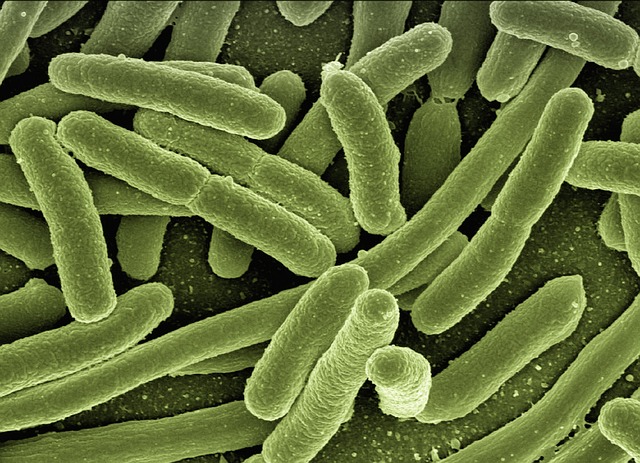
- Salmonella cases in England have risen 26% in the past year, reaching their highest level in a decade.
- Non-typhoidal salmonella, found in contaminated foods like meat, poultry, and eggs, is a leading cause of foodborne illnesses worldwide.
- Poor hygiene practices, inadequate cooking, and cross-contamination during food handling are common factors linked to salmonella infections.
- Changes in food production and consumption patterns may be contributing to the surge in salmonella cases.
- Understanding the causes and consequences of the salmonella surge is crucial for public health and consumer safety.
What is behind the sudden surge in salmonella infections in England, with cases reaching their highest level in a decade? The latest figures show that there were 10,406 laboratory-confirmed cases of non-typhoidal salmonella last year, a 26% increase from 2016, leaving many to wonder what is driving this upward trend and why it matters for public health. With the risk of foodborne illnesses on the rise, understanding the causes and consequences of this surge is crucial for consumers and policymakers alike.
Understanding the Salmonella Surge

The increase in salmonella infections can be attributed to various factors, including changes in food production and consumption patterns. Non-typhoidal salmonella, the type found in contaminated foods such as meat, poultry, and eggs, is a leading cause of foodborne illnesses worldwide. According to the World Health Organization, salmonella infections are often linked to poor hygiene practices, inadequate cooking, and cross-contamination during food handling. As the number of cases continues to rise, it is essential to examine the underlying factors contributing to this trend and to identify effective strategies for prevention and control.
Evidence and Data

Data from public health agencies and research studies provide valuable insights into the scope and impact of the salmonella surge. For instance, a report by the Public Health England highlights the importance of robust surveillance and monitoring systems in detecting and responding to foodborne outbreaks. Moreover, studies published in scientific journals such as Nature and The Lancet have investigated the role of antimicrobial resistance in the spread of salmonella infections, underscoring the need for a comprehensive approach to addressing this complex public health issue.
Counter-Perspectives and Challenges

While the rise in salmonella infections is a pressing concern, some experts argue that the overall risk remains relatively low, particularly when compared to other foodborne pathogens. Others point out that the increase in reported cases may be attributed, in part, to improvements in diagnostic testing and surveillance. However, these perspectives do not diminish the importance of addressing the root causes of the surge, including inadequate food safety practices and the overuse of antibiotics in agriculture. By acknowledging the complexity of the issue and the diverse perspectives involved, policymakers and stakeholders can work towards developing effective, evidence-based solutions to mitigate the risk of salmonella infections.
Real-World Impact and Consequences

The surge in salmonella infections has significant real-world implications, from the human cost of illness and suffering to the economic burden on the healthcare system and the food industry. For individuals, a salmonella infection can result in severe gastrointestinal symptoms, hospitalization, and even long-term health consequences. Furthermore, outbreaks of foodborne illness can damage the reputation of food businesses and lead to significant financial losses. As the number of cases continues to rise, it is essential to prioritize food safety and to implement effective measures to prevent and control the spread of salmonella infections.
What This Means For You
So, what can you do to protect yourself and your loved ones from the risk of salmonella infection? The answer lies in adopting safe food handling practices, such as proper handwashing, separating raw and ready-to-eat foods, and cooking food to the recommended internal temperature. Additionally, consumers can support food safety initiatives by choosing products from reputable suppliers and advocating for stronger regulations and enforcement. By taking these steps, individuals can contribute to a broader culture of food safety and help to reduce the risk of salmonella infections in their communities.
As the situation continues to evolve, one question remains: what will it take to bring the surge in salmonella infections under control, and how can we balance the need for food safety with the demands of a complex, global food system? The answer will require a collaborative effort from policymakers, industry leaders, and consumers, as well as a commitment to evidence-based solutions and a willingness to adapt to emerging challenges and opportunities.
Source: The Guardian