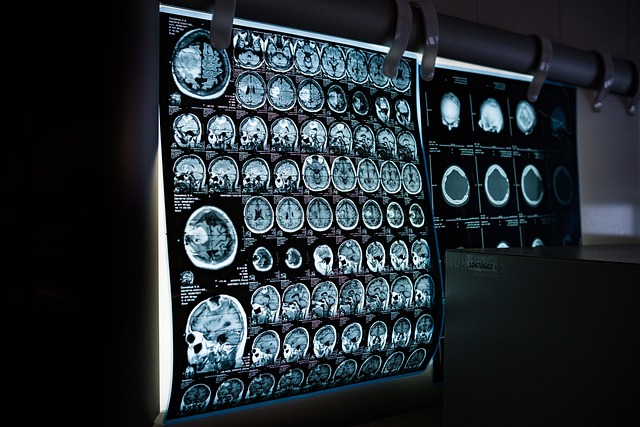
- New brain scan detects tau protein, a hallmark of Alzheimer’s, 5 years earlier than current methods.
- The novel imaging test uses a tracer that binds to tau protein, improving detection accuracy.
- Early detection could lead to earlier intervention, potentially slowing disease progression.
- Current methods often detect Alzheimer’s after symptoms appear, limiting treatment options.
- This breakthrough may improve patient outcomes and quality of life for millions affected.
Researchers at the University of Pittsburgh School of Medicine have developed a new brain imaging test that can detect a key hallmark of Alzheimer’s disease, tau protein, before symptoms appear and earlier than the method currently used in clinical practice in the United States and Europe, according to a report published in The Lancet. This breakthrough has significant implications for the diagnosis and treatment of Alzheimer’s, a disease that affects millions of people worldwide. The new test could potentially allow for earlier intervention, improving patient outcomes and quality of life.
Current State of Alzheimer’s Detection

The current standard for detecting Alzheimer’s disease involves a combination of cognitive tests, medical history, and brain imaging tests such as PET scans or MRIs. However, these tests often detect the disease after symptoms have already appeared, limiting the effectiveness of treatment options. The new brain imaging test developed by the University of Pittsburgh researchers uses a novel tracer that binds to tau protein, allowing for earlier and more accurate detection of the disease. This could revolutionize the way Alzheimer’s is diagnosed and treated, enabling healthcare professionals to intervene earlier and potentially slowing disease progression.
History of Alzheimer’s Research

Alzheimer’s disease has been a major focus of medical research for decades, with scientists working to understand the underlying causes of the disease and develop effective treatments. The discovery of tau protein as a key hallmark of Alzheimer’s was a significant breakthrough, but detecting it early has proven challenging. Previous attempts at developing imaging tests for tau have been limited by the lack of effective tracers, but the University of Pittsburgh researchers have made a major leap forward with their new test. This achievement is the result of years of dedicated research and collaboration among scientists, clinicians, and industry partners.
Key Players in Alzheimer’s Research

The University of Pittsburgh School of Medicine has been at the forefront of Alzheimer’s research, with a team of renowned scientists and clinicians working together to advance our understanding of the disease. The researchers involved in the development of the new brain imaging test are motivated by a desire to improve patient outcomes and make a meaningful difference in the lives of those affected by Alzheimer’s. Their work is supported by funding from organizations such as the National Institutes of Health and the Alzheimer’s Association, which recognize the importance of this research and its potential to transform the field.
Consequences of Earlier Detection

The ability to detect Alzheimer’s disease earlier has significant consequences for patients, families, and the healthcare system as a whole. Earlier detection could enable healthcare professionals to intervene sooner, potentially slowing disease progression and improving patient outcomes. This could also reduce the economic burden of Alzheimer’s, which is currently estimated to be over $1 trillion annually in the United States alone. Additionally, earlier detection could facilitate the development of more effective treatments, as researchers would have a larger window of opportunity to test new therapies and interventions.
The Bigger Picture
The development of a new brain imaging test for Alzheimer’s disease is part of a larger trend towards earlier detection and prevention of neurodegenerative diseases. As our understanding of these diseases improves, we are moving closer to a future where diseases like Alzheimer’s can be prevented or cured. This requires continued investment in research and development, as well as collaboration among scientists, clinicians, and industry partners. The work of the University of Pittsburgh researchers is an important step in this direction, and their achievement has the potential to inspire new breakthroughs and innovations in the field.
As the new brain imaging test becomes more widely available, it is likely to have a major impact on the diagnosis and treatment of Alzheimer’s disease. For more information on Alzheimer’s research and the latest developments in the field, visit the National Institute on Aging website or the Alzheimer’s Association website. As researchers continue to push the boundaries of what is possible, we can expect to see new breakthroughs and innovations that will improve our understanding of Alzheimer’s and other neurodegenerative diseases, ultimately leading to better patient outcomes and improved quality of life.
Source: MedicalXpress