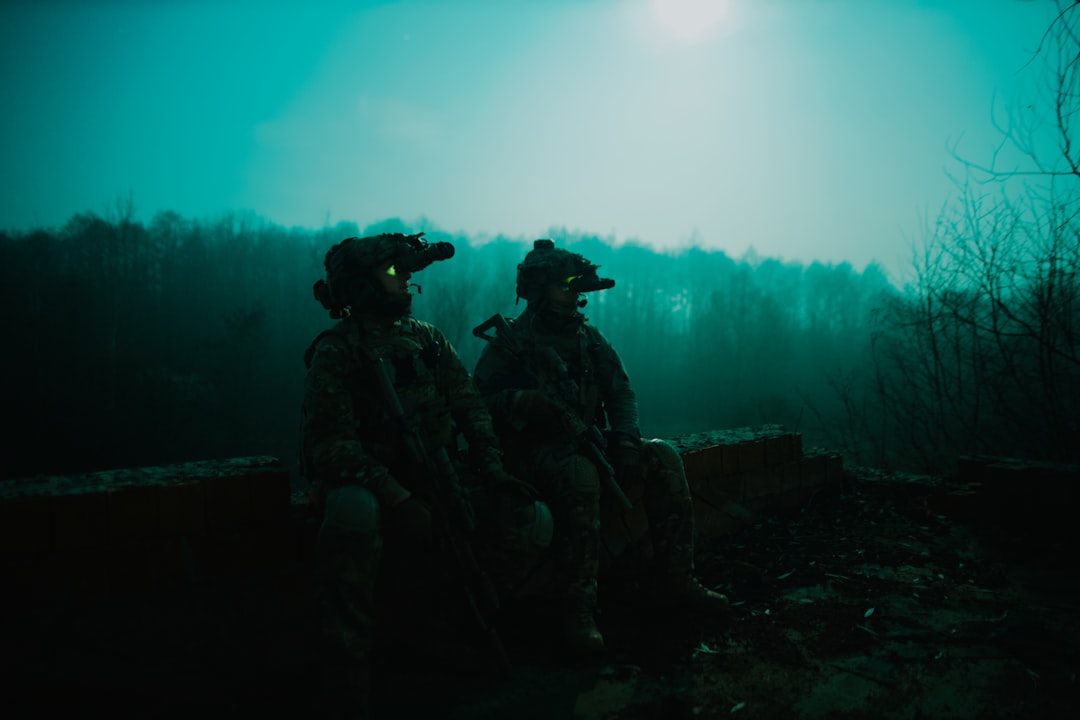
- NATO condemns Russia after a drone crashed in Romania, escalating tensions between NATO and Russia.
- The incident highlights the risk of the Ukraine conflict spilling into neighboring countries and threatening regional stability.
- NATO reiterates commitment to collective defense, emphasizing vigilance among member states.
- Diplomatic efforts are ongoing to de-escalate tensions and prevent further miscalculations.
- The incident is seen as a direct challenge to NATO’s security, with implications for alliance solidarity.
NATO member states have strongly condemned Russia after a drone crashed in Romanian territory, exacerbating concerns that Moscow’s ongoing war in Ukraine could spill over into neighbouring countries. The incident occurred on May 29, with Romania’s foreign ministry promptly issuing a statement denouncing the breach of its airspace. This development has significant implications for regional stability and underscores the need for heightened vigilance among NATO allies.
Current Tensions Between NATO and Russia

The drone crash in Romania has further strained relations between NATO and Russia, which have been deteriorating since the onset of the Ukraine conflict. NATO officials have expressed deep concern over the potential for the war to spread beyond Ukraine’s borders, entangling neighbouring countries. The alliance has reaffirmed its commitment to defending its member states, emphasizing the importance of collective defence in the face of growing security threats. As tensions escalate, diplomatic efforts are underway to de-escalate the situation and prevent any potential miscalculations.
Historical Context of the Conflict

The roots of the current conflict date back to 2014, when Russia annexed Crimea, sparking a protracted dispute with Ukraine and its Western allies. The situation has continued to deteriorate, with ongoing fighting in eastern Ukraine and a significant buildup of Russian military presence along the border. The international community has imposed sanctions on Russia in response to its actions, which Moscow has consistently denied as unjustified interference in its internal affairs. Understanding this historical context is crucial to grasping the complexities of the current situation and the motivations of the parties involved.
Key Players and Their Motivations

Several key players are shaping the conflict, including Russian President Vladimir Putin, Ukrainian President Volodymyr Zelenskyy, and NATO Secretary-General Jens Stoltenberg. Each of these leaders has distinct motivations, ranging from territorial ambitions and national security concerns to the desire to uphold international law and protect democratic values. Putin’s actions, in particular, have been driven by a desire to reassert Russian influence in the region and counter what he perceives as NATO’s encroachment on Russia’s borders. Meanwhile, Zelenskyy has been seeking to bolster Ukraine’s defences and secure greater support from Western allies.
Consequences for Stakeholders

The consequences of the conflict spilling over into NATO territory would be far-reaching and potentially catastrophic. For Romania and other neighbouring countries, the risk of being drawn into the conflict is a stark reality, with significant implications for their national security and economic stability. The international community, including the United States, the European Union, and other key actors, would also be affected, as the conflict could lead to a broader destabilization of the region and potentially even a direct confrontation between NATO and Russia. The humanitarian toll, including civilian casualties and displacement, would also be devastating.
The Bigger Picture
The drone incident in Romania is a stark reminder of the broader geopolitical tensions at play, underscoring the need for a comprehensive and sustainable resolution to the conflict in Ukraine. The situation highlights the importance of diplomacy, dialogue, and cooperation among nations to prevent the escalation of conflicts and protect regional and global security. As the international community navigates this complex and challenging situation, it is essential to consider the long-term implications of the current crisis and work towards a future where such incidents are prevented through mutual understanding and respect for international law.
In the coming weeks and months, it will be crucial to monitor developments closely, as the situation remains highly volatile. The international community must continue to advocate for a peaceful resolution to the conflict, supporting diplomatic efforts and reinforcing the importance of collective defence and cooperation. As tensions between NATO and Russia continue to simmer, the need for vigilance, diplomacy, and a commitment to upholding international law has never been more pressing. For more information on the conflict in Ukraine and its implications, visit BBC News or Reuters for in-depth analysis and updates.
Source: Al Jazeera