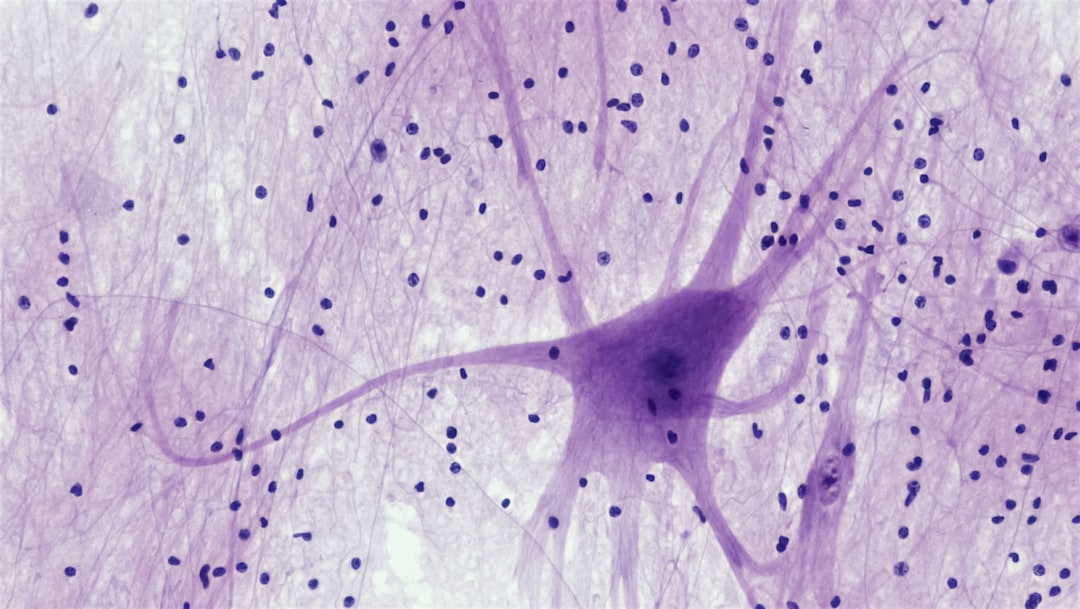
- Researchers found that CBD may slow Alzheimer’s progression by calming the brain’s immune system, a promising area of study.
- The study focused on neuroinflammation, a key process linked to memory loss and brain degeneration in Alzheimer’s patients.
- Inhaled CBD demonstrated a calming effect on the brain’s immune system in Alzheimer’s mice during the research.
- CBD reduced key drivers of neuroinflammation and lowered the expression of pro-inflammatory genes within the brain.
- While preliminary, these findings suggest CBD could potentially lead to new treatment options for Alzheimer’s disease.
What if a compound found in cannabis could help slow the progression of Alzheimer’s disease? Researchers have made a groundbreaking discovery that suggests CBD, or cannabidiol, may be doing just that by calming the brain’s immune system. In a recent study, scientists used Alzheimer’s mice to test the effects of inhaled CBD on neuroinflammation, a process increasingly linked to memory loss and brain degeneration. The results are promising, and could potentially lead to new treatments for the devastating disease.
How Does CBD Affect the Brain’s Immune System?

According to the study, CBD reduced key drivers of neuroinflammation in the brains of Alzheimer’s mice. Neuroinflammation occurs when the brain’s immune system overreacts, causing damage to healthy cells and tissues. This process is thought to contribute to the progression of Alzheimer’s disease, and reducing it could potentially slow or even halt the disease. The researchers found that inhaled CBD had a calming effect on the brain’s immune system, reducing inflammation and promoting a healthier environment for brain cells to function.
What Evidence Supports the Use of CBD in Alzheimer’s Treatment?

The study’s findings are supported by data from the experiments, which showed a significant reduction in neuroinflammation in the brains of mice treated with CBD. The researchers also found that CBD reduced the expression of pro-inflammatory genes, which are genes that promote inflammation. These results are consistent with other studies that have suggested CBD has anti-inflammatory properties. As reported by Science Daily, the study’s authors believe that CBD could be a potential therapeutic agent for the treatment of Alzheimer’s disease.
Are There Counter-Perspectives on the Use of CBD in Alzheimer’s Treatment?

While the study’s findings are promising, some experts have raised concerns about the potential risks and limitations of using CBD to treat Alzheimer’s disease. For example, CBD can interact with other medications, and its long-term effects on the brain are not yet fully understood. Additionally, the study was conducted in mice, and it is unclear whether the results will translate to humans. Some skeptics also argue that more research is needed to fully understand the mechanisms by which CBD affects the brain’s immune system, and to determine the optimal dosage and delivery method for therapeutic use.
What Are the Real-World Implications of This Research?

The potential implications of this research are significant, and could lead to new treatments for Alzheimer’s disease. If CBD is found to be effective in reducing neuroinflammation and slowing the progression of Alzheimer’s, it could provide a much-needed alternative to current treatments, which often have limited efficacy and significant side effects. Additionally, the use of CBD could potentially be combined with other therapies to enhance their effectiveness. As the World Health Organization notes, Alzheimer’s disease is a major public health concern, and new treatments are urgently needed to address this growing epidemic.
What This Means For You
The discovery that CBD may help slow the progression of Alzheimer’s disease is a promising one, and could potentially lead to new treatments for the disease. While more research is needed to fully understand the effects of CBD on the brain’s immune system, the study’s findings suggest that CBD could be a valuable therapeutic agent in the fight against Alzheimer’s. As the research continues to unfold, it will be important for patients and caregivers to stay informed about the latest developments, and to consult with healthcare professionals about the potential benefits and risks of using CBD to treat Alzheimer’s disease.
As researchers continue to explore the potential of CBD in Alzheimer’s treatment, one question remains: what other secrets does this compound hold for addressing the complex and multifaceted nature of neurodegenerative diseases? Further study is needed to fully understand the mechanisms by which CBD affects the brain, and to determine its potential applications in treating other diseases. But for now, the discovery that CBD may help slow the progression of Alzheimer’s is a promising one, and offers new hope for patients and families affected by this devastating disease.
Source: ScienceDaily