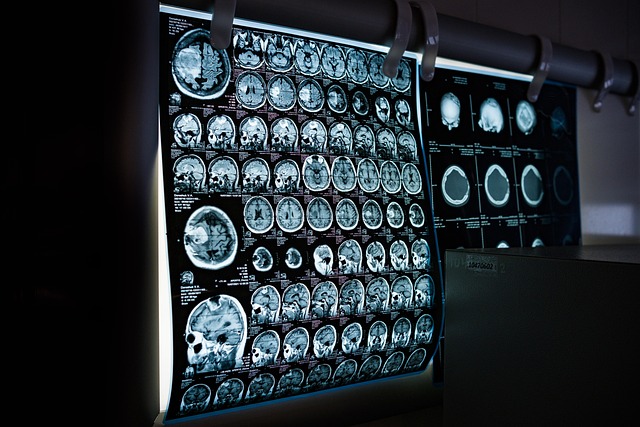
- New AI-powered lung cancer screening tools may soon become available to more people in the US, improving early detection rates.
- Researchers have found that AI algorithms can identify patterns in blood test data indicating the presence of lung cancer with high accuracy.
- Lung cancer is one of the leading causes of cancer deaths worldwide, making effective early detection methods more pressing than ever.
- AI-powered lung cancer screening has shown promise in early studies, with some models detecting cancer from blood samples with high accuracy.
- The use of AI and machine learning in lung cancer detection may potentially save thousands of lives by catching cancer earlier.
What if a simple blood test and artificial intelligence could catch lung cancer earlier, saving thousands of lives? Lung cancer screening is currently not available to many people in the United States who could benefit from it, but new tools and data could soon broaden the tests’ reach. With lung cancer being one of the leading causes of cancer deaths worldwide, the need for effective early detection methods is more pressing than ever.
Can AI Improve Lung Cancer Detection?

Researchers have been exploring the use of artificial intelligence and machine learning to improve lung cancer detection. By analyzing data from blood tests and other sources, AI algorithms can identify patterns and anomalies that may indicate the presence of lung cancer. This approach has shown promise in early studies, with some models able to detect lung cancer from blood samples with high accuracy. As the technology continues to evolve, it is likely that AI-powered lung cancer screening will become more widely available, potentially saving thousands of lives.
What Do the Studies Say?

Several studies have demonstrated the effectiveness of AI-powered lung cancer detection. For example, a study published in Nature found that an AI algorithm was able to detect lung cancer from blood samples with high accuracy. Another study found that a combination of blood tests and AI analysis was able to identify lung cancer in its early stages, when it is more treatable. These findings suggest that AI-powered lung cancer screening could be a game-changer for early detection and treatment.
Are There Any Limitations to This Approach?

While the use of AI and blood tests for lung cancer screening shows promise, there are also potential limitations to this approach. Some critics argue that the technology is still in its early stages and that more research is needed to fully understand its effectiveness. Additionally, there may be concerns about the accuracy of the AI algorithms and the potential for false positives or false negatives. However, as the technology continues to evolve and more data becomes available, these limitations are likely to be addressed.
What Are the Real-World Implications?

The potential impact of AI-powered lung cancer screening on public health could be significant. If widely adopted, this approach could help to detect lung cancer earlier, when it is more treatable, and potentially save thousands of lives. Additionally, it could also help to reduce the economic burden of lung cancer treatment, which is currently a major strain on healthcare systems. As the technology becomes more widely available, it is likely that we will see a significant reduction in lung cancer deaths and an improvement in patient outcomes.
What This Means For You
The development of AI-powered lung cancer screening is an exciting breakthrough that could have a significant impact on public health. If you are at risk for lung cancer, it is essential to speak with your doctor about the latest screening options and to stay informed about the latest developments in this field. By staying proactive and informed, you can take control of your health and reduce your risk of lung cancer.
As researchers continue to explore the potential of AI-powered lung cancer screening, one question remains: what other types of cancer could this technology be used to detect? As the field continues to evolve, it is likely that we will see new breakthroughs and innovations that will help to improve cancer detection and treatment, and ultimately save lives.
Source: Nature