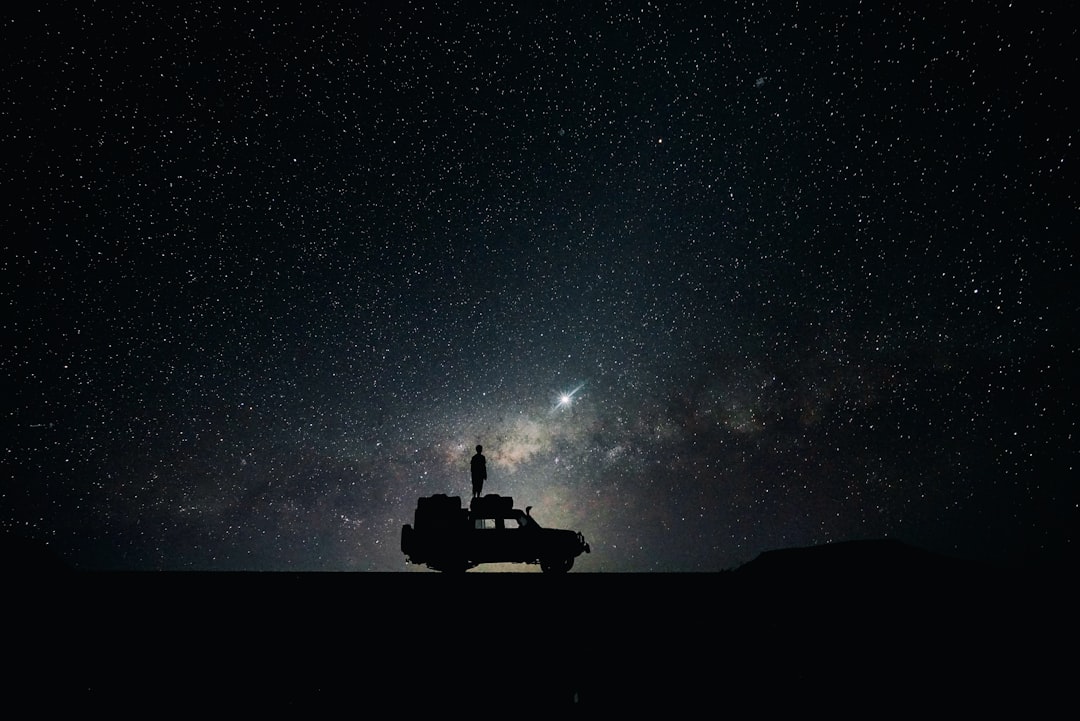
- Highland Council introduces a new dark skies policy to preserve the region’s naturally dark environment.
- The policy aims to boost the local night-time economy by attracting stargazers and astro-tourists.
- The council hopes to create new economic opportunities and stimulate local growth.
- The Highland region boasts some of the darkest skies in Europe due to its remote location and limited artificial lighting.
- Dark skies are essential for stargazing and astronomy, and can have a positive impact on the local environment and economy.
The Highland Council has introduced a new dark skies policy, aiming to preserve the region’s naturally dark environment and boost the local night-time economy. This move is expected to attract more stargazers and astro-tourists to the area, which already boasts some of the darkest skies in Europe. By protecting these unique natural assets, the council hopes to create new economic opportunities and stimulate local growth.
The Science Behind Dark Skies

According to data from the BBC, the Highland region is home to some of the darkest skies in Europe, with minimal light pollution. This is due to the area’s remote location and limited artificial lighting. The council’s new policy aims to maintain this natural darkness, which is essential for stargazing and astronomy. In fact, a study by the Nature journal found that dark skies can have a positive impact on the local environment and economy.
Key Players and Their Roles

The Highland Council is working closely with local businesses, communities, and astronomy groups to implement the new dark skies policy. The council’s environment and infrastructure committee is leading the initiative, with support from the local tourism board and conservation organizations. Recent moves by the council include the introduction of new lighting regulations and the creation of dark sky preservation areas. These efforts are expected to enhance the region’s reputation as a premier destination for stargazing and astro-tourism.
Trade-Offs and Challenges

While the new dark skies policy is expected to bring economic benefits, there are also potential trade-offs and challenges to consider. For example, the reduction of artificial lighting in certain areas may affect road safety and security. Additionally, the increased tourism activity may put pressure on local infrastructure and services. However, the council believes that the benefits of the policy, including the creation of new jobs and businesses, outweigh the potential drawbacks. A balanced approach will be necessary to ensure that the policy is implemented effectively and sustainably.
Timing and Context

The introduction of the new dark skies policy is timely, given the growing interest in astro-tourism and the increasing recognition of the importance of preserving natural darkness. The COVID-19 pandemic has also highlighted the need for sustainable and responsible tourism practices, which the council’s policy aims to promote. Furthermore, the policy aligns with the Scottish government’s efforts to reduce light pollution and protect the country’s natural environment. With the right implementation and support, the policy has the potential to make a positive impact on the local economy and environment.
Where We Go From Here
Looking ahead, there are several possible scenarios for the development of the dark skies policy and its impact on the local economy. One scenario is that the policy will be successful in attracting more astro-tourists and stimulating local growth, leading to the creation of new businesses and jobs. Another scenario is that the policy will face challenges and resistance from local residents and businesses, which could slow down its implementation. A third scenario is that the policy will have a limited impact, due to factors such as lack of funding or inadequate infrastructure. Regardless of the outcome, the council’s initiative is an important step towards preserving the region’s unique natural assets and promoting sustainable tourism practices.
In conclusion, the Highland Council’s new dark skies policy is a forward-thinking initiative that has the potential to boost the local night-time economy and preserve the region’s natural environment. By protecting the area’s dark skies and promoting astro-tourism, the council is taking a proactive approach to sustainable development and responsible tourism practices. As the policy is implemented and its impact is assessed, it will be essential to monitor its progress and make adjustments as necessary to ensure its success.
Source: BBC