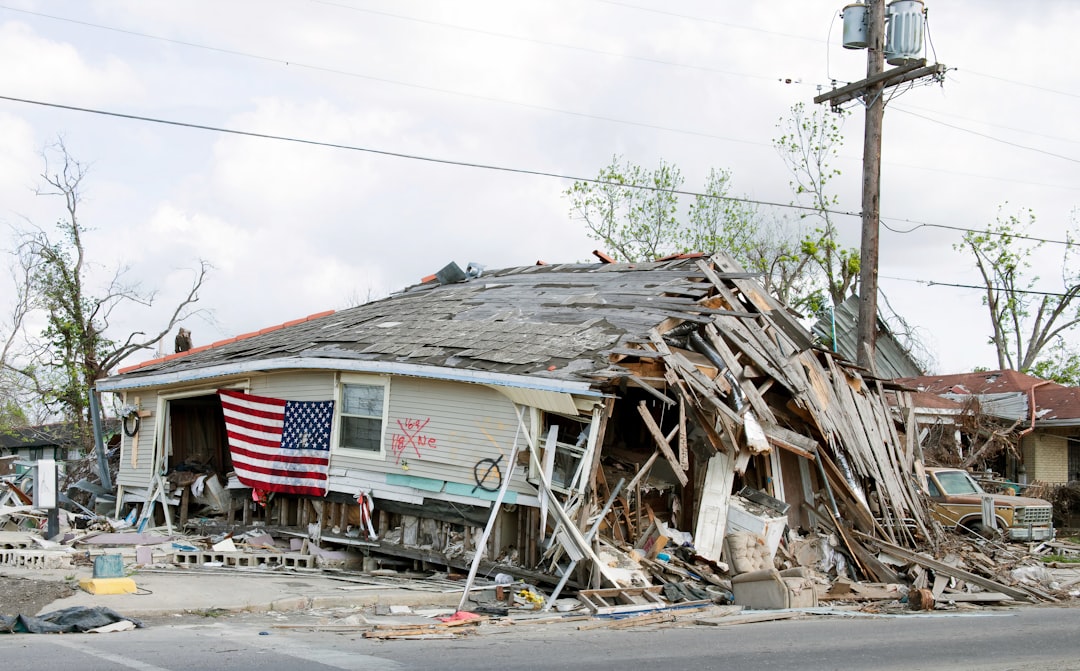
- By 2100, global hailstorms are expected to increase by 50%, causing significant damage and disruption worldwide.
- Hailstone size is projected to increase due to warmer temperatures, which will lead to more frequent and severe thunderstorms.
- Mid-latitudes will be particularly affected by the rise in hailstorm frequency and severity, impacting agriculture, infrastructure, and human safety.
- Recent studies, including one published in Nature, have highlighted the substantial increase in global hailstorm damage by the end of the century.
- Climate change and greenhouse gas emissions have exacerbated the intensity and frequency of hailstorms, making them a growing concern for communities worldwide.
Researchers predict that the global likelihood of damage from hailstorms will increase substantially by the end of the century, owing to increases in hailstone size as the climate warms, with the main entity of climate change driving this concrete development. This change matters because it will impact communities worldwide, particularly in mid-latitudes, where the frequency and severity of hailstorms are expected to rise, affecting agriculture, infrastructure, and human safety.
Hailstorm Intensity on the Rise

The current situation indicates that hailstorms are becoming more intense, with key facts pointing to a significant increase in hailstone size and damage potential. As the climate continues to warm, the atmosphere’s capacity to hold moisture increases, leading to more frequent and severe thunderstorms, which in turn produce larger and more destructive hailstones. This trend is supported by recent studies, including one published in Nature, which highlights the substantial increase in global hailstorm damage by the end of the century.
Understanding the Historical Context

The story behind the story reveals that hailstorms have always been a natural part of the Earth’s climate system, but human activities, particularly greenhouse gas emissions, have exacerbated their intensity and frequency. Historically, hailstorms have been a significant threat to agriculture, with records of devastating hailstorms dating back centuries. However, the current trend of increasing hailstone size and damage is a relatively recent phenomenon, closely tied to the rapid warming of the planet over the past few decades, with climate change being the main driver of this development.
Key Players and Motivations

The people shaping this issue are primarily climate scientists, researchers, and policymakers, who are motivated by a desire to understand and mitigate the impacts of climate change on hailstorm intensity. These individuals are working to develop more accurate models of hailstorm behavior, improve early warning systems, and implement measures to reduce the vulnerability of communities to hailstorm damage. Their efforts are driven by a recognition of the significant economic, social, and environmental consequences of hailstorms, which can have far-reaching impacts on food security, infrastructure, and human well-being.
Consequences and Implications

The consequences of increasing hailstorm intensity will be far-reaching, with significant implications for stakeholders, including farmers, insurers, and emergency responders. As hailstorms become more frequent and severe, the risk of damage to crops, buildings, and infrastructure will rise, leading to increased economic losses and social disruption. Furthermore, the impacts of hailstorms will not be evenly distributed, with some regions, such as mid-latitudes, experiencing greater increases in hailstone size and damage, while others, such as the tropics and subtropics, may see reductions in hailstorm frequency and intensity.
The Bigger Picture
This trend is part of a broader pattern of extreme weather events, which are becoming more frequent and intense due to climate change, with IPCC reports highlighting the need for urgent action to reduce greenhouse gas emissions and adapt to the changing climate. The increase in hailstorm intensity is a symptom of a larger problem, one that requires a comprehensive and coordinated response to mitigate its impacts and ensure the long-term sustainability of communities and ecosystems.
In conclusion, the predicted increase in hailstorm intensity is a pressing concern that demands attention and action from policymakers, researchers, and the general public. As the climate continues to warm, it is essential to develop and implement strategies to reduce the vulnerability of communities to hailstorm damage, including improved early warning systems, climate-resilient infrastructure, and sustainable agricultural practices. By working together to address this challenge, we can reduce the risks associated with hailstorms and create a more resilient and sustainable future for all.
Source: Nature