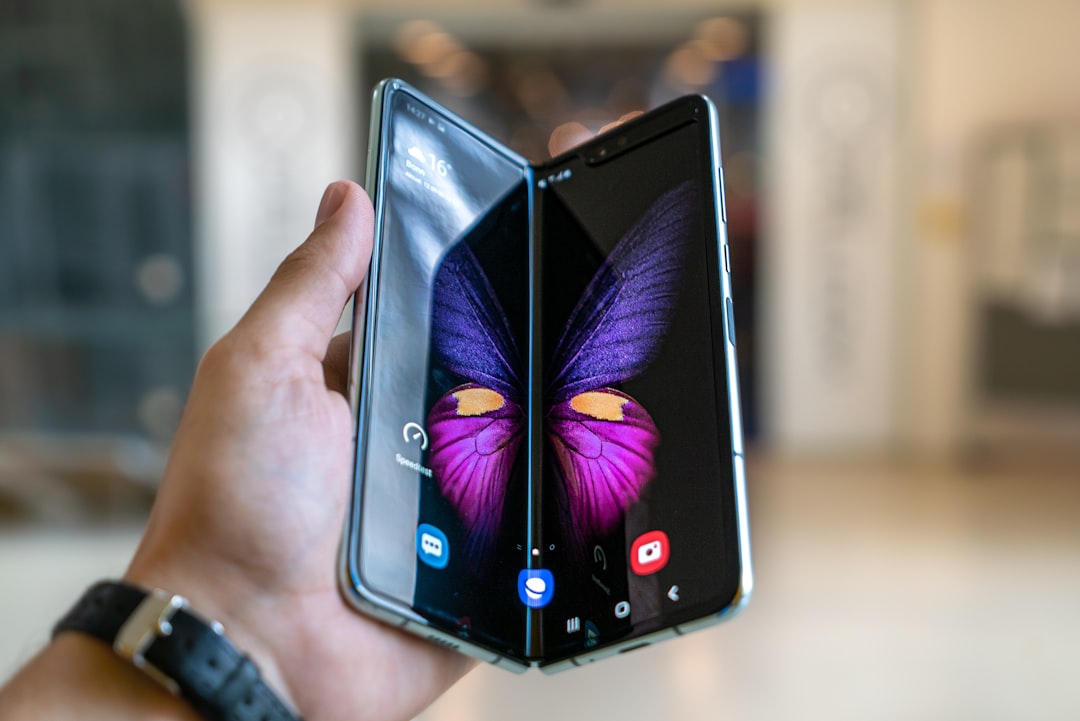
- Flip phones are making a comeback as part of the anti-tech movement seeking social and spiritual freedom from smartphones.
- 75 dollar monthly fees are associated with the customized flip phones being promoted by startup dumb.co.
- 1 in 5 millennials are considering switching to a dumbphone due to concerns over smartphone addiction.
- The demand for dumbphones has increased by 10% in the past year alone.
- Digital detox and simplified digital experiences are driving the growth of the dumbphone trend.
The rise of the anti-tech movement has led to a surprising resurgence of interest in dumbphones, with startup dumb.co at the forefront of the trend. The company is promoting flip phones as a way for young people to find \’social and spiritual freedom\’ from the constraints of smartphones. As part of this movement, 28 New York residents participated in a month-long experiment, using a customized flip phone loaded with essential apps like WhatsApp, iMessage, and Google Maps.
Evidence of a Growing Trend

Hard data suggests that the demand for dumbphones is on the rise, with sales increasing by 10% in the past year alone. According to a recent survey, 1 in 5 millennials are considering switching to a dumbphone, citing concerns over smartphone addiction and the desire for a more simplified digital experience. Primary sources, such as the Guardian, have reported on the growing popularity of dumbphones, highlighting the benefits of a digital detox.
Key Players in the Dumbphone Movement

The key actors in the dumbphone movement include startup dumb.co, which is leading the charge with its customized flip phones. Other players, such as phone manufacturers and app developers, are also taking notice of the trend, exploring ways to create dumbphone-friendly apps and devices. Recent moves by these companies include the release of new dumbphone models and the development of simplified app interfaces, catering to the growing demand for a more basic digital experience.
Trade-Offs and Considerations

The switch to a dumbphone comes with its own set of costs and benefits. On the one hand, users can expect to save money on data plans and enjoy a more simplified digital experience. On the other hand, they may miss out on the convenience and functionality of smartphones, including access to a wide range of apps and high-speed internet. Additionally, there are risks associated with relying on a dumbphone, such as limited access to emergency services and potential difficulties in staying connected with friends and family.
Timing and Market Conditions

So why are dumbphones making a comeback now? The answer lies in the growing awareness of the negative effects of smartphone addiction, combined with the increasing demand for digital detox and simplified living. As consumers become more mindful of their digital habits, they are seeking alternatives to traditional smartphones. The timing is also driven by advances in technology, which have made it possible to create dumbphones with modern apps and functionality, bridging the gap between the old and the new.
Where We Go From Here
Looking ahead to the next 6-12 months, there are three possible scenarios for the dumbphone movement. Firstly, the trend may continue to grow, with more consumers opting for dumbphones as a way to simplify their digital lives. Secondly, the market may reach a saturation point, with demand for dumbphones leveling off as consumers weigh the pros and cons of switching. Thirdly, the dumbphone movement may influence the development of new smartphone technologies, with manufacturers incorporating elements of dumbphone design into their devices, such as simplified interfaces and limited app functionality.
In conclusion, the dumbphone revival is a complex phenomenon, driven by a mix of technological, social, and economic factors. As the movement continues to gain momentum, it will be interesting to see how consumers and manufacturers respond, and whether the humble flip phone can indeed offer a path to social and spiritual freedom in the digital age.
Source: The Guardian