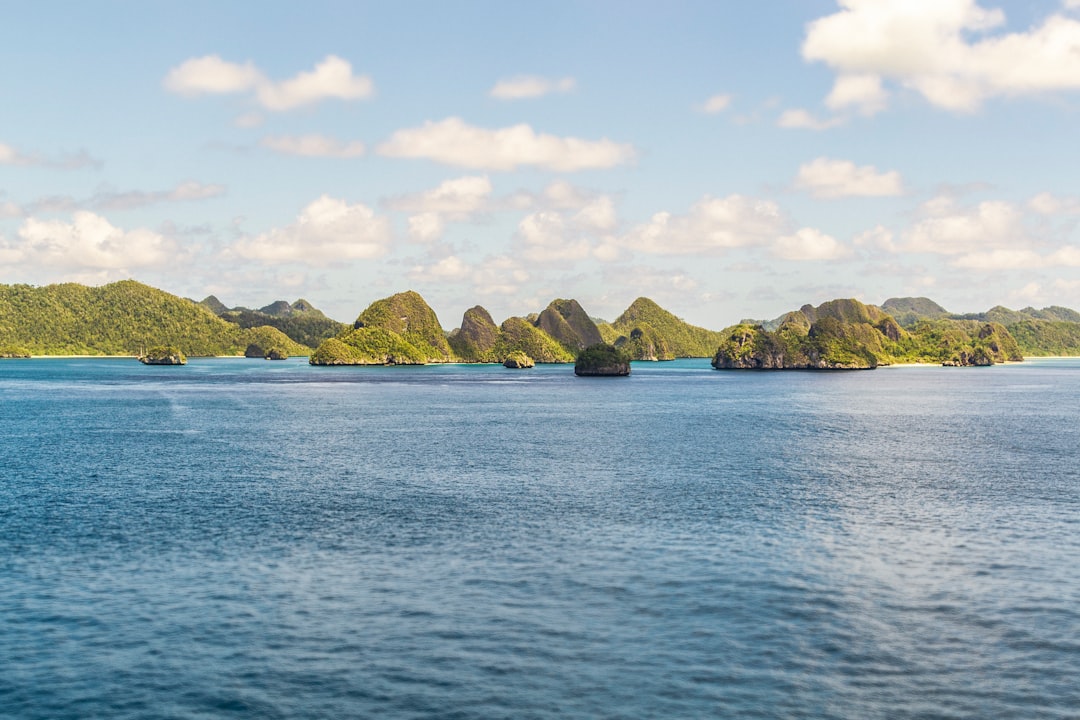
- A small Pacific village’s plea for help became a geopolitical flashpoint after China’s police arrived with a surveillance system.
- China’s security push in the Pacific is centered around expanding its influence and securing its interests in the region.
- The recent deployment of Chinese police to the Solomon Islands marks a significant escalation of China’s security ambitions.
- China’s security strategy in the Pacific has raised concerns about regional stability and the potential implications for local powers.
- The Solomon Islands incident is seen as a test case for China’s future security expansions in the Pacific region.
A small Pacific village’s plea for assistance with rowdy youth has unexpectedly become a geopolitical flashpoint, as China’s police arrived with a surveillance system, sparking a backlash from locals and regional powers. The village, in the Solomon Islands, had sought help to address a growing problem, but the Chinese response has raised concerns about the country’s expanding security presence in the region and its potential implications for regional stability. The situation has left many wondering why this village has become a testing ground for China’s security ambitions and what this means for the future of the Pacific.
What is China’s Security Strategy in the Pacific?

China’s security strategy in the Pacific is centered around expanding its influence and securing its interests in the region. The country has been actively engaged in building relationships with Pacific Island nations, providing economic aid, and investing in infrastructure projects. However, its security presence has been largely limited to a few select countries, including Fiji and Vanuatu. The recent deployment of Chinese police to the Solomon Islands marks a significant escalation of China’s security ambitions in the region, with many analysts viewing it as a test case for future expansions. According to a report by the New York Times, China’s security push in the Pacific is driven by a desire to secure its strategic interests and protect its citizens and investments in the region.
What Evidence Supports China’s Growing Security Presence?

There are several pieces of evidence that support the notion of China’s growing security presence in the Pacific. For instance, China has established a number of security cooperation agreements with Pacific Island nations, including a recent pact with the Solomon Islands to provide security assistance. Additionally, China has been investing heavily in surveillance technology, including the installation of CCTV cameras and other monitoring systems in several Pacific Island countries. According to a report by the Reuters, China’s security cooperation agreements with Pacific Island nations have raised concerns among regional powers, including Australia and the United States, which view China’s expanding security presence as a threat to regional stability.
What are the Counter-Perspectives to China’s Security Push?

Not everyone is convinced that China’s security push in the Pacific is a cause for concern. Some argue that China’s involvement in the region is necessary to address growing security challenges, such as transnational crime and terrorism. Others point out that China’s security cooperation agreements with Pacific Island nations are similar to those established by other countries, including Australia and the United States. However, skeptics argue that China’s security presence in the Pacific is driven by a desire to expand its influence and secure its strategic interests, rather than a genuine concern for regional security. According to a report by the BBC, China’s security push in the Pacific has sparked a debate about the country’s intentions and the potential implications for regional stability.
What are the Real-World Implications of China’s Security Testing Ground?

The real-world implications of China’s security testing ground in the Pacific are significant. The deployment of Chinese police to the Solomon Islands has sparked a backlash from locals, who are concerned about the potential erosion of their sovereignty and the impact on their way of life. Additionally, the situation has raised concerns among regional powers, which view China’s expanding security presence as a threat to regional stability. According to a report by the Associated Press, China’s security push in the Pacific has the potential to destabilize the region and undermine the influence of other powers, including the United States and Australia.
What This Means For You
The situation in the Pacific has significant implications for readers, particularly those interested in geopolitics and international relations. The expansion of China’s security presence in the region marks a significant shift in the global balance of power and has the potential to impact regional stability and security. As the situation continues to unfold, readers should be aware of the potential implications and stay informed about developments in the region. According to a report by the Guardian, the situation in the Pacific is a reminder of the complex and evolving nature of global geopolitics and the need for ongoing engagement and dialogue.
As the situation in the Pacific continues to evolve, one question remains: what will be the long-term implications of China’s security testing ground in the region? Will the deployment of Chinese police to the Solomon Islands mark the beginning of a new era of Chinese influence in the Pacific, or will it spark a backlash from regional powers and undermine China’s ambitions? Only time will tell, but one thing is certain: the situation in the Pacific is a reminder of the complex and evolving nature of global geopolitics and the need for ongoing engagement and dialogue.
Source: The New York Times