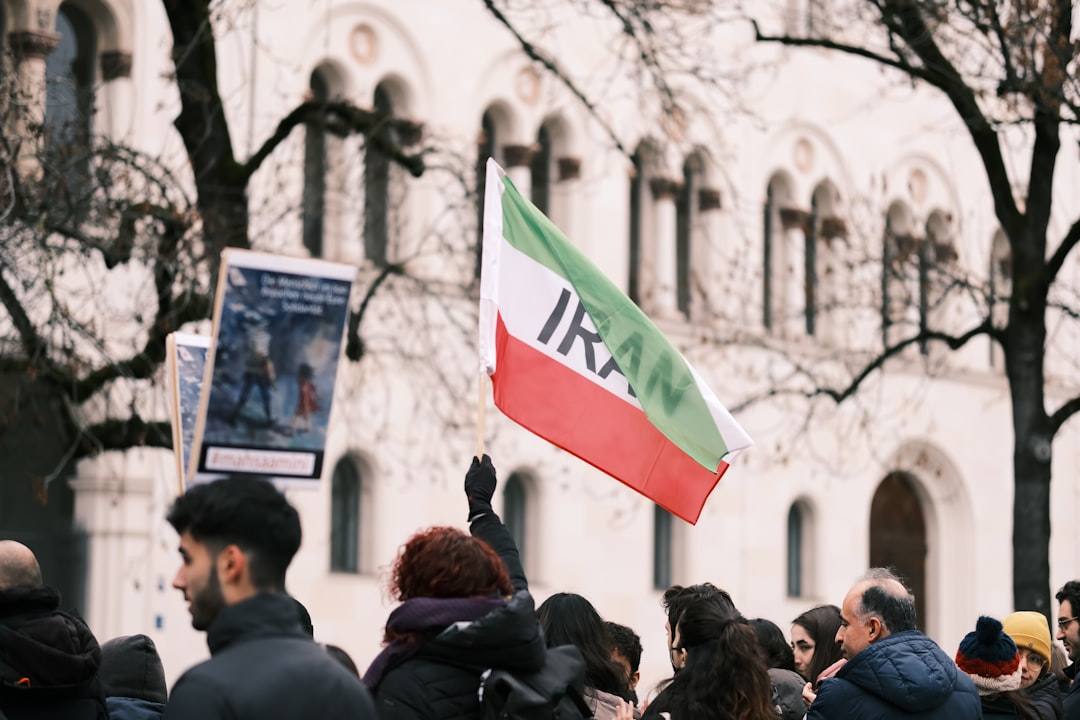
- Trump’s lack of transparency in decision-making regarding Iran raises concerns about dictatorial tendencies.
- Democratic processes, including justifications and consultations, are notably absent in Trump’s foreign policy approach.
- The potential for war with Iran highlights a dangerous shift towards unilateral decision-making by the president.
- Critics argue that Trump’s actions bypass congressional approval, undermining democratic oversight.
- Trump’s inconsistent messaging on Iran policy points to a lack of clear strategy and accountability.
What is driving the US towards a potential war with Iran, and why is President Donald Trump not providing clear explanations for his actions? The answer to this question is crucial, as it reveals a disturbing trend in the president’s decision-making process, one that is more characteristic of dictators than democratically elected leaders. The fact that Trump is not even attempting to justify his stance on Iran is a cause for concern, and it has significant implications for the future of US foreign policy and global stability.
Understanding the Core Issue

The core issue here is not just about the prospect of war with Iran, but about the manner in which the decision to go to war is being made. In democracies, such decisions are typically preceded by extensive debate, consultation with experts, and a clear articulation of the reasons behind the decision. However, Trump’s approach has been marked by a lack of transparency, inconsistent messaging, and a disregard for the democratic processes that are meant to ensure accountability and oversight. This is not how democracies go to war; it is how dictators operate, and it raises serious questions about the health of democracy in the US.
Examining the Evidence

There are several pieces of evidence that support the notion that Trump’s approach to foreign policy is becoming increasingly dictatorial. For instance, his administration has been criticized for bypassing congressional approval for military actions, and for failing to provide coherent and consistent explanations for its policies. Furthermore, the president’s tendency to rely on Twitter to announce major policy decisions, rather than going through the traditional channels of communication, has created confusion and undermined the credibility of the US government. As noted by experts and news outlets, these actions are not only undemocratic but also potentially dangerous, as they can lead to miscalculations and unintended consequences.
Counter-Perspectives and Criticisms

Some of Trump’s supporters argue that his unconventional approach to foreign policy is necessary to address the complex and rapidly changing global landscape. They claim that traditional democratic processes are too slow and cumbersome to respond effectively to emerging threats, and that the president needs to have the flexibility to act quickly and decisively. However, this perspective overlooks the importance of democratic oversight and accountability in preventing the abuse of power and ensuring that military actions are used as a last resort. As international relations experts have pointed out, the consequences of unchecked executive power can be devastating, and it is essential to maintain the checks and balances that are built into the US system of government.
Real-World Implications

The real-world implications of Trump’s dictatorial tendencies are already being felt, both domestically and internationally. The lack of transparency and accountability in the decision-making process has created uncertainty and mistrust among allies and adversaries alike, and has undermined the credibility of the US as a reliable partner. Furthermore, the potential for miscalculations and unintended consequences is high, and the consequences of a war with Iran could be catastrophic, not just for the US but for the entire region. As the international community watches with bated breath, it is essential to consider the long-term implications of Trump’s actions and the potential risks to global stability.
What This Means For You
So, what does this mean for the average citizen? It means that the US is at a critical juncture, and the decisions being made by the president have far-reaching implications for the future of the country and the world. It is essential to stay informed, to engage in the democratic process, and to demand accountability from elected officials. The fact that Trump is not even trying to explain his actions is a red flag, and it is up to citizens to ensure that their voices are heard and that the democratic norms that have underpinned the US system of government are protected.
As the situation continues to unfold, one question remains: what will be the ultimate cost of Trump’s dictatorial tendencies, and how will the US and the world recover from the damage that has already been done? The answer to this question will depend on the actions of citizens, policymakers, and the international community, and it is crucial to consider the long-term implications of the current trajectory and to work towards a more democratic, transparent, and accountable approach to foreign policy.
Source: Newrepublic