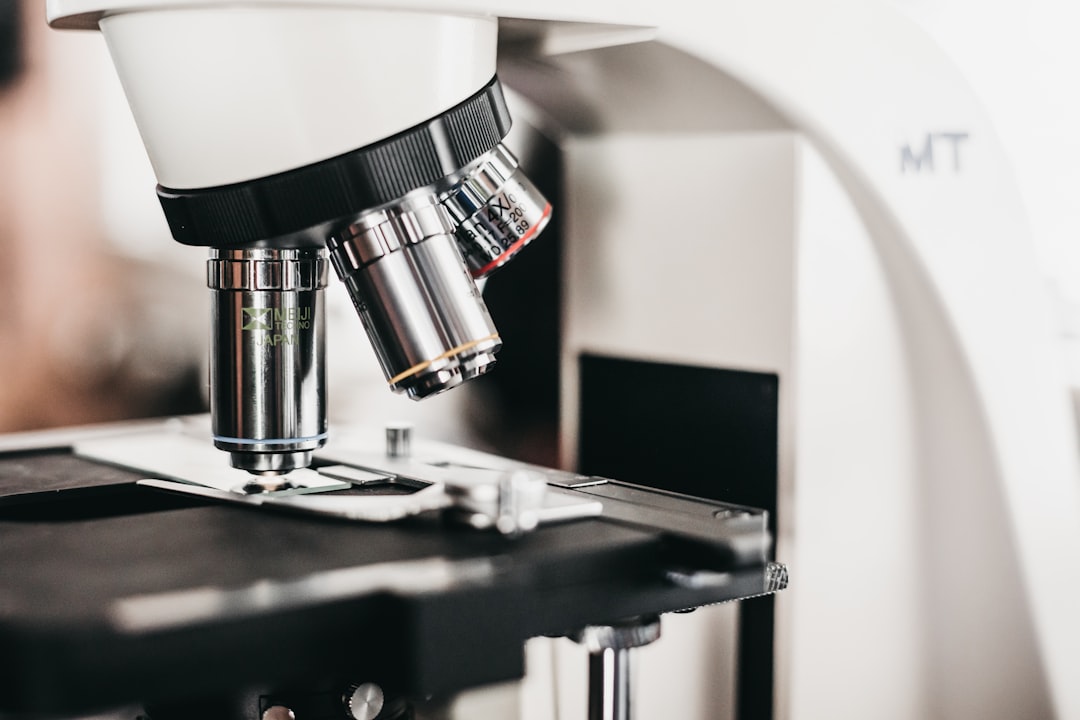
- Researchers have found that human haematopoietic stem cells remember and respond to inflammatory stress.
- The discovery was made using xenograft inflammation–recovery models and single-cell multiomics.
- This breakthrough has significant implications for our understanding of stem cell behavior and disease treatment.
- Haematopoietic stem cells retain a memory of stress that can influence their behavior and function.
- This discovery could be a crucial step forward in the field of regenerative medicine.
Researchers at a prominent institution have made a groundbreaking discovery, finding that human haematopoietic stem cells retain a memory of inflammatory stress. This breakthrough, published in the esteemed journal Nature, was made possible through the use of xenograft inflammation–recovery models and single-cell multiomics. The study’s findings have significant implications for our understanding of stem cell behavior and could potentially lead to new treatments for a range of diseases. As noted by the researchers, this discovery could be a crucial step forward in the field of regenerative medicine.
Current Understanding of Haematopoietic Stem Cells

Haematopoietic stem cells are a type of stem cell responsible for the production of blood cells. They are a crucial component of the immune system and play a vital role in the body’s ability to fight off infection and disease. Until now, it was not fully understood how these cells responded to inflammatory stress. The new study provides valuable insights into the behavior of haematopoietic stem cells after inflammation, revealing that they retain a memory of the stress they have endured. This memory can influence the cells’ behavior and function, potentially leading to changes in the way they produce blood cells. For more information on haematopoietic stem cells, visit the Wikipedia page on the topic.
The Story Behind the Discovery

The discovery of haematopoietic stem cells’ ability to remember inflammatory stress is the result of years of dedicated research. Scientists have long been fascinated by the behavior of stem cells and their role in the immune system. Through the use of advanced technologies such as single-cell multiomics, researchers have been able to study these cells in unprecedented detail. The new study builds on this existing knowledge, providing a significant breakthrough in our understanding of haematopoietic stem cells. As reported by Nature, the study’s findings have the potential to revolutionize the field of regenerative medicine.
The Researchers Behind the Breakthrough

The researchers responsible for the discovery are a team of dedicated scientists with a passion for understanding the behavior of stem cells. Led by a prominent expert in the field, the team has spent years studying haematopoietic stem cells and their role in the immune system. Their motivations for conducting the research were driven by a desire to gain a deeper understanding of the complex interactions between stem cells and the immune system. By uncovering the secrets of haematopoietic stem cells, the researchers hope to contribute to the development of new treatments for a range of diseases. For example, the Centers for Disease Control and Prevention could potentially benefit from this research in their efforts to combat infectious diseases.
Implications of the Discovery

The discovery that haematopoietic stem cells retain a memory of inflammatory stress has significant implications for our understanding of the immune system. It suggests that the behavior of these cells is more complex and dynamic than previously thought, and that they are capable of adapting to changing circumstances. This knowledge could be used to develop new treatments for a range of diseases, including those caused by inflammatory stress. For instance, the World Health Organization could utilize this research to inform their global health initiatives and develop more effective strategies for combating diseases.
The Bigger Picture
The discovery of haematopoietic stem cells’ ability to remember inflammatory stress is part of a larger story about the complex interactions between the immune system and the body. It highlights the importance of continued research into the behavior of stem cells and their role in maintaining health and preventing disease. As our understanding of the immune system grows, so too does our ability to develop new treatments and therapies. This breakthrough is a significant step forward in the field of regenerative medicine and has the potential to improve the lives of millions of people around the world. Visit Nature for more information on the latest scientific discoveries.
In conclusion, the discovery that human haematopoietic stem cells retain a memory of inflammatory stress is a groundbreaking finding with significant implications for our understanding of the immune system. As researchers continue to study these cells and their behavior, we can expect to see new treatments and therapies emerge. The future of regenerative medicine looks bright, and this breakthrough is an exciting step forward in the journey to unlock the secrets of the human body. For further reading, visit ScienceDaily for the latest news and updates on scientific research.
Source: Nature