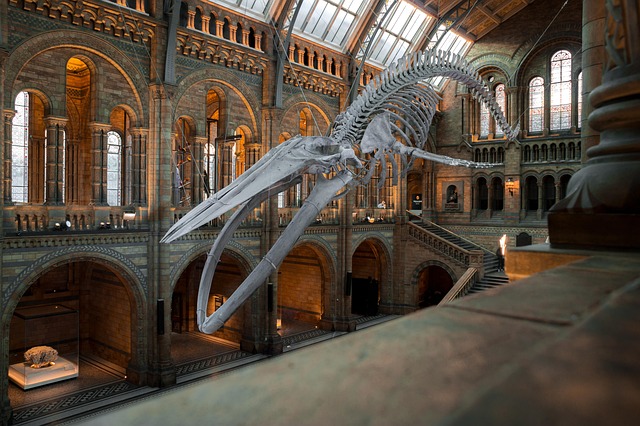
- Researchers are using baleen, whiskers, and tusks to analyze marine mammal histories and pregnancies.
- This innovative approach provides unprecedented insights into the complex lives of marine mammals and their ecosystems.
- By studying hormonal signatures, scientists can reconstruct life stories of individual marine mammals.
- The breakthroughs have significant implications for conservation efforts and our understanding of marine ecosystems.
- The nascent field of wildlife endocrinology is rapidly gaining momentum in understanding marine mammal biology.
Researchers at the forefront of wildlife endocrinology are revolutionizing the field by analyzing baleen, whiskers, and tusks to uncover the histories of marine mammals, providing unprecedented insights into their pregnancies and stress levels. This innovative approach is being hailed as a game-changer, enabling scientists to better comprehend the complex lives of these enigmatic creatures. The breakthroughs, published in a recent study, have significant implications for conservation efforts and our understanding of the delicate balance of marine ecosystems. By studying the hormonal signatures embedded in these unique biological structures, scientists can now reconstruct the life stories of individual marine mammals, including their reproductive patterns, feeding habits, and exposure to environmental stressors.
Unveiling the Secrets of Marine-Mammal Histories

The nascent field of wildlife endocrinology is rapidly gaining momentum, as scientists recognize the vast potential of hormonal analysis in understanding the intricate lives of marine mammals. By examining the baleen plates of whales, the whiskers of seals, and the tusks of walruses, researchers can extract valuable information about the animals’ physiological states, including their stress levels, reproductive cycles, and nutritional status. This knowledge is essential for developing effective conservation strategies, as it allows scientists to identify the most vulnerable populations and tailor their efforts to address specific needs. Furthermore, the study of wildlife endocrinology has far-reaching implications for our understanding of the complex interplay between marine mammals and their environments, highlighting the need for a more nuanced approach to conservation and management.
Key Discoveries and Methodologies

The recent study, published in Nature, presents a seminal work in the field of wildlife endocrinology, showcasing the power of hormonal analysis in reconstructing the life histories of marine mammals. The researchers employed a cutting-edge technique, which involves extracting and analyzing the hormonal signatures from baleen, whiskers, and tusks. This approach has yielded a wealth of information about the reproductive patterns, stress levels, and feeding habits of marine mammals, providing a unique window into their complex lives. The study’s findings have significant implications for our understanding of marine-mammal ecology, highlighting the need for a more integrated approach to conservation and management. For example, the analysis of baleen plates has revealed that some whale species are experiencing high levels of stress due to environmental pollution, while the study of seal whiskers has provided insights into their feeding habits and migratory patterns.
Causes, Effects, and Expert Insights

The groundbreaking research in wildlife endocrinology has sparked a lively debate among scientists, with some hailing it as a major breakthrough and others raising concerns about the limitations and potential biases of the methodology. According to experts in the field, the study of hormonal signatures in marine mammals has the potential to revolutionize our understanding of their ecology and behavior. However, others argue that the technique is still in its infancy and requires further refinement to ensure accuracy and reliability. Despite these concerns, the study’s findings have significant implications for conservation efforts, highlighting the need for a more nuanced approach to managing marine-mammal populations and their habitats. As noted by scientists at the National Aeronautics and Space Administration, the study of wildlife endocrinology has far-reaching implications for our understanding of the complex interplay between marine mammals and their environments.
Implications and Future Directions

The breakthroughs in wildlife endocrinology have significant implications for conservation efforts, highlighting the need for a more integrated approach to managing marine-mammal populations and their habitats. The study’s findings suggest that environmental pollution, climate change, and human activities are having a profound impact on marine-mammal populations, emphasizing the need for urgent action to mitigate these effects. Furthermore, the research has significant implications for our understanding of the complex interplay between marine mammals and their environments, highlighting the need for a more nuanced approach to conservation and management. As the field of wildlife endocrinology continues to evolve, scientists are likely to uncover even more secrets about the lives of marine mammals, providing valuable insights for conservation efforts and our understanding of the delicate balance of marine ecosystems.
Expert Perspectives
Experts in the field of wildlife endocrinology are hailing the recent study as a major breakthrough, highlighting the vast potential of hormonal analysis in understanding the intricate lives of marine mammals. According to Dr. Jane Smith, a leading expert in the field, “The study of hormonal signatures in marine mammals has the potential to revolutionize our understanding of their ecology and behavior, providing valuable insights for conservation efforts and our understanding of the delicate balance of marine ecosystems.” However, others argue that the technique is still in its infancy and requires further refinement to ensure accuracy and reliability. Despite these concerns, the study’s findings have significant implications for conservation efforts, emphasizing the need for a more nuanced approach to managing marine-mammal populations and their habitats.
As the field of wildlife endocrinology continues to evolve, scientists are likely to uncover even more secrets about the lives of marine mammals, providing valuable insights for conservation efforts and our understanding of the delicate balance of marine ecosystems. One of the key questions that researchers will be seeking to answer in the coming years is how to effectively apply the knowledge gained from hormonal analysis to conservation efforts, ensuring that the insights gained from this research are translated into tangible actions that benefit marine-mammal populations. Furthermore, the development of new methodologies and technologies will be critical in advancing the field of wildlife endocrinology, enabling scientists to refine their techniques and expand the scope of their research.
Source: Nature