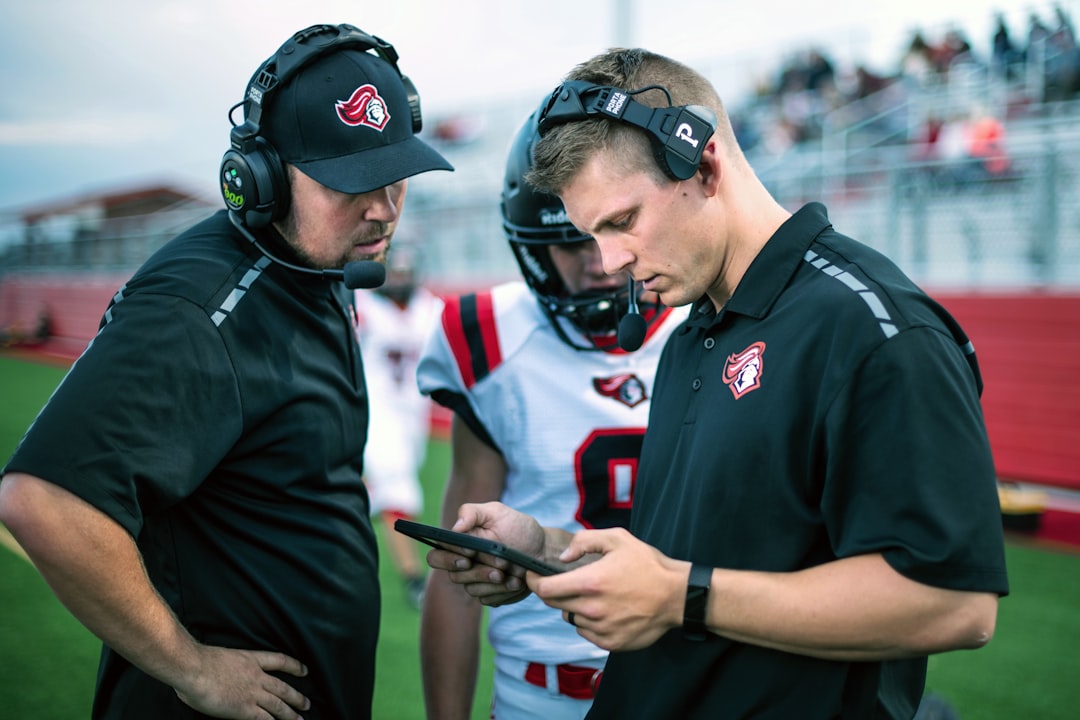
- Referee James Capers denied Mitch Johnson’s coach’s challenge, assessing Johnson a technical foul for persisting.
- The incident highlights the NBA’s inconsistent enforcement of replay rules and the thin line between advocacy and penalty on the sideline.
- The moment on social media gained traction due to its apparent contradiction of NBA rules and common sense.
- League protocol allows each team one coach’s challenge per game to dispute out-of-bounds calls or goaltending/block calls.
- The technical foul was pivotal in the San Antonio Spurs’ 98-97 loss to the Oklahoma City Thunder.
The San Antonio Spurs were hit with a pivotal technical foul during their 98-97 loss to the Oklahoma City Thunder on March 21, 2024, after assistant coach Mitch Johnson attempted to invoke a coach’s challenge to correct an out-of-bounds call. Standing directly in front of referee James Capers, Johnson pointed out that Thunder rookie Chet Holmgren had touched the ball last before it went out of bounds—information later confirmed by broadcast replay. Despite the clear error, Capers denied the appeal and assessed Johnson a technical foul for persisting. The incident, captured on video and widely shared on r/nba, underscores growing frustration with the NBA’s inconsistent enforcement of replay rules and the thin line between advocacy and penalty on the sideline.
Why This Incident Has Gone Viral

The moment gained immediate traction on social media due to its apparent contradiction of NBA rules and common sense. According to league protocol, each team is allowed one coach’s challenge per game to dispute either out-of-bounds calls or goaltending/block calls. The challenge must be initiated before the next live ball, and coaches are expected to signal clearly. While head coach Gregg Popovich was on the bench, Johnson—acting within the Spurs’ coaching hierarchy—attempted to flag the mistake. The broadcast footage, available on Streamable, shows Johnson making a deliberate gesture and speaking calmly. Fans and analysts alike questioned why a correct assertion led to a penalty, especially when referees later admitted the ball should have gone to San Antonio. This case now fuels broader criticism about whether assistant coaches should have standing in challenge decisions and whether current enforcement undermines competitive fairness.
What Happened in the Crucial Final Minutes

The controversy unfolded with 1:47 left in the fourth quarter and the Spurs trailing 96-95. After a scramble for a loose ball, officials awarded possession to the Thunder, ruling that San Antonio’s Jeremy Sochan had last touched it. Johnson immediately contested the call, stepping onto the court and gesturing toward the replay official, citing Holmgren’s deflection. Video replay clearly showed the Thunder big man tapping the ball last. Instead of reviewing the play or allowing the challenge, Capers issued a technical foul on Johnson for what was described as “excessive dissent.” Oklahoma City’s Shai Gilgeous-Alexander sank the free throw, extending the lead to two points. The Spurs failed to score on their next possession, and the turnover of possession proved critical. Final score: 98-97 in favor of Oklahoma City, with the Spurs denied both the ball and an official review they would have won.
Breaking Down the Rules and the Referees’ Discretion

The NBA introduced the coach’s challenge in the 2023-24 season to reduce clear and reviewable errors in high-leverage moments. However, the rule specifies that only the head coach may initiate a challenge, typically via a timeout or direct verbal and physical signal to the crew chief. While assistants can communicate, they do not have formal authority. In this case, Popovich did not officially call the timeout or signal the challenge, leaving Johnson’s appeal in a gray zone. Some analysts argue that referees should still acknowledge correct information regardless of who delivers it, especially when it prevents a game-altering mistake. Others, including former NBA official Tim Donaghy (writing in Reuters), note that strict adherence prevents chaos but may penalize teams for trying to uphold accuracy. The league has not yet ruled on whether Johnson’s actions warranted a technical, but the lack of consistency in such calls remains a sore point.
Implications for Coaching Staff and Game Integrity

This incident has immediate implications for how coaching staffs operate during tense moments. Assistants like Johnson are trained to spot errors and relay them quickly, but this case may force teams to tighten communication protocols to avoid accidental infractions. More broadly, the event raises concerns about the perceived impartiality of officiating, particularly in games involving younger teams like the Thunder, who are fighting for playoff positioning. Spurs fans argue the call cost them a win in a season already marked by rebuilding struggles. Meanwhile, the NBA risks eroding trust in its replay systems if correct appeals are punished instead of acknowledged. Transparency in how technical fouls are assessed—especially in challenge-related situations—could become a point of negotiation in the next collective bargaining agreement.
Expert Perspectives
Opinions are split among former players and analysts. NBA analyst JJ Redick, on his podcast, defended Johnson, stating, “If the information is correct and delivered respectfully, it should be received, not penalized.” Conversely, ESPN’s Jeff Van Gundy argued that “only the head coach should engage—anything else opens the door to confusion.” Legal experts in sports governance suggest the league should clarify whether assistant coaches can serve as official conduits for challenges, especially when head coaches are occupied. Without such clarity, teams may either underutilize challenges for fear of penalties or face escalating fines and suspensions for overzealous staff.
Going forward, the NBA is expected to review this play as part of its ongoing officiating evaluation process. Whether it leads to a policy change—such as allowing designated staff to initiate challenges or introducing video review triggered by broadcast footage—remains to be seen. For now, the Spurs’ narrow loss may become a landmark case in the debate over accountability, technology, and human judgment in professional basketball. Fans, coaches, and league officials will be watching closely for any response in upcoming games.
Source: Streamable