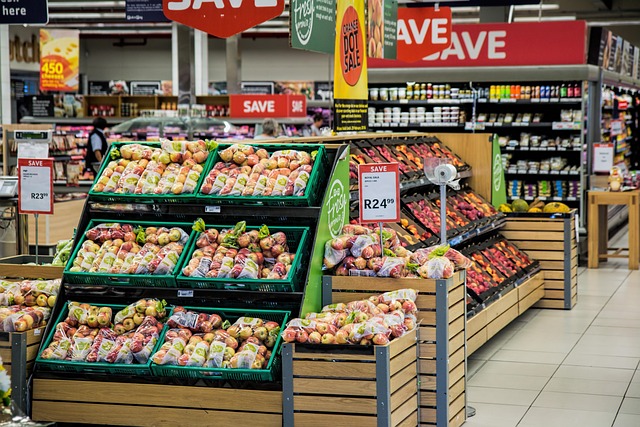
- A majority of Americans support banning surveillance pricing and electronic shelf labels due to privacy and shopping experience concerns.
- Surveillance pricing and electronic shelf labels are becoming increasingly prevalent in retail, raising data privacy concerns.
- Real-time price adjustments based on customer behavior and demand are sparking debate over retail tracking technologies.
- Retailers are using data analytics to adjust prices, often without customers’ knowledge or consent.
- Electronic shelf labels can provide benefits like increased efficiency and personalized shopping, but at what cost to data privacy?
A recent survey has found that a majority of Americans support a ban on surveillance pricing and electronic shelf labels, sparking debate over the use of retail tracking technologies. The survey, which polled a representative sample of Americans, revealed that many are concerned about the impact of these technologies on their privacy and shopping experiences. As the use of surveillance pricing and electronic shelf labels becomes increasingly prevalent, the question on many minds is: what does this mean for the future of retail and consumer data privacy?
Understanding Surveillance Pricing and Electronic Shelf Labels

Surveillance pricing refers to the practice of using data and analytics to adjust prices in real-time, often based on factors such as demand, competition, and customer behavior. Electronic shelf labels, on the other hand, are digital displays that can be used to update prices and product information in stores. While these technologies can provide benefits such as increased efficiency and personalized shopping experiences, they also raise concerns over data privacy and the potential for price gouging. According to a report by the New York Times, many retailers are using these technologies to track customer behavior and adjust prices accordingly.
Evidence of Growing Concerns

The survey found that a significant majority of Americans are concerned about the use of surveillance pricing and electronic shelf labels, with many citing concerns over data privacy and the potential for price manipulation. As noted by the Reuters, this trend is not unique to the United States, with many countries around the world grappling with the implications of retail tracking technologies. The survey’s findings are supported by data from other sources, including a report by the Associated Press, which found that many Americans are taking steps to protect their data privacy, such as using VPNs and ad blockers.
Counter-Perspectives and Criticisms

Not everyone agrees that a ban on surveillance pricing and electronic shelf labels is necessary, with some arguing that these technologies can provide benefits such as increased efficiency and personalized shopping experiences. Some retailers argue that the use of these technologies is necessary to remain competitive in a rapidly changing retail landscape. However, critics argue that these benefits come at a cost, with many consumers being forced to trade off their data privacy in exchange for convenience and personalized experiences. As noted by the Guardian, this trade-off is not always clear, with many consumers being unaware of the extent to which their data is being tracked and used.
Real-World Impact and Consequences

The use of surveillance pricing and electronic shelf labels has significant real-world implications, with many consumers being affected by the practice. For example, a study by the Nature found that the use of surveillance pricing can lead to price gouging, particularly in areas with limited competition. Furthermore, the use of electronic shelf labels can create a sense of unease among consumers, with many feeling that they are being watched and tracked. As the use of these technologies becomes more widespread, it is likely that we will see increased scrutiny and regulation of the retail industry.
What This Means For You
The survey’s findings have significant implications for consumers, who must now navigate a retail landscape in which their data is being tracked and used in ways that may not be transparent. To protect themselves, consumers can take steps such as using cash, avoiding loyalty programs, and being mindful of the data they share with retailers. As the debate over surveillance pricing and electronic shelf labels continues, it is likely that we will see increased calls for regulation and transparency in the retail industry.
As we move forward, the question remains: what will be the long-term impact of surveillance pricing and electronic shelf labels on consumer behavior and data privacy? Will we see a shift towards more transparent and consumer-friendly practices, or will the use of these technologies continue to erode trust in the retail industry? Only time will tell, but one thing is clear: the conversation around surveillance pricing and electronic shelf labels is only just beginning, and it is a conversation that will have significant implications for the future of retail and consumer data privacy.
Source: Gizmodo