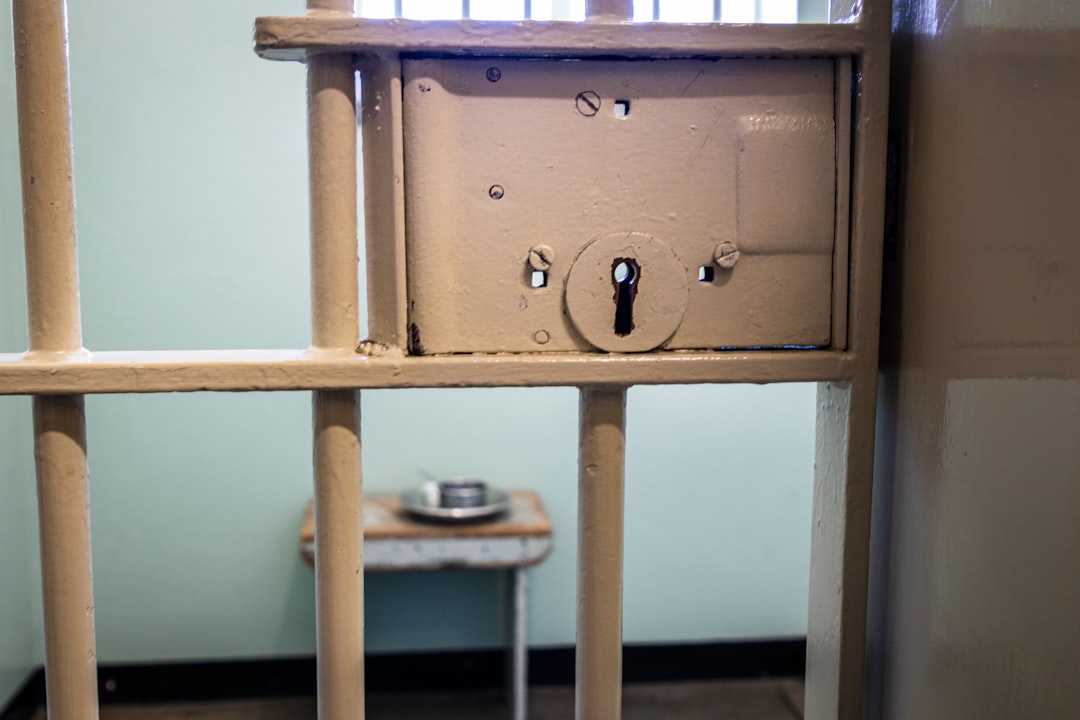
- Almost 100 children in England and Wales are unnecessarily detained in custody each year, awaiting trial or sentencing.
- These children are often exposed to extreme violence, including stabbings, while in custody.
- The HM Inspectorate of Prisons found that professional expectations for safely managing these children in the community are not being met.
- The wellbeing and safety of vulnerable children are at significant risk due to this disturbing trend.
- Systemic failures in the justice system are contributing to the unnecessary detention of children.
Children are being exposed to extreme violence, including stabbings, while being unnecessarily held in custody awaiting trial or sentencing, according to a damning report by the England and Wales watchdog. The HM Inspectorate of Prisons found that almost 100 children each year are remanded to custody only to be bailed or moved, despite professional expectations that they would be managed safely in the community. This disturbing trend has significant implications for the wellbeing and safety of these vulnerable individuals.
Evidence of Unnecessary Detention

The report by the HM Inspectorate of Prisons provides hard data on the number of children being unnecessarily detained. According to the findings, nearly 100 children are remanded to custody annually, only to be bailed or moved later. This suggests a systemic failure in the management of children in the justice system, with potentially devastating consequences for their physical and emotional wellbeing. The inspectorate’s report is based on primary sources, including data from prisons and interviews with officials, providing a comprehensive understanding of the issue.
Key Players and Their Roles

The HM Inspectorate of Prisons, led by Chief Inspector Charlie Taylor, has been instrumental in highlighting the plight of children in the justice system. The inspectorate’s report has sparked concerns among childcare professionals, policymakers, and human rights advocates, who are calling for urgent reforms to address the issue. The Ministry of Justice, responsible for the administration of justice in England and Wales, will likely face scrutiny over its handling of the situation.
Trade-Offs and Consequences

The unnecessary detention of children in custody has significant costs, benefits, risks, and opportunities. On one hand, the detention of children may provide a sense of security and order in the short term. However, the long-term consequences of exposure to extreme violence, including stabbings, can have a lasting impact on their mental health and wellbeing. Moreover, the detention of children who do not pose a significant risk to society may be seen as a misuse of resources, which could be better allocated to community-based programs that support the rehabilitation and reintegration of young offenders.
Timing and Context

The report’s findings are particularly concerning given the current context of rising violence in prisons and the ongoing debates about justice reform. The COVID-19 pandemic has exacerbated existing challenges in the prison system, including overcrowding and staffing shortages. The inspectorate’s report serves as a timely reminder of the need for urgent action to address the systemic failures that are putting the lives of children at risk. As the government considers reforms to the justice system, it must prioritize the safety and wellbeing of vulnerable individuals, including children.
Where We Go From Here
Looking ahead to the next 6-12 months, there are several possible scenarios that could unfold. Firstly, the government may respond to the inspectorate’s report by implementing emergency measures to reduce the number of children being unnecessarily detained. Secondly, policymakers may use the report as a catalyst for more comprehensive justice reform, prioritizing community-based programs and rehabilitation over detention. Finally, the issue may continue to be neglected, with devastating consequences for the children involved. Ultimately, the trajectory of events will depend on the government’s willingness to acknowledge the problem and take decisive action to address it.
In conclusion, the HM Inspectorate of Prisons’ report serves as a stark reminder of the need for urgent action to protect the safety and wellbeing of children in the justice system. As the government considers its next steps, it must prioritize the needs of these vulnerable individuals and work towards creating a more just and compassionate society. The bottom line is that the unnecessary detention of children in custody is a stain on the conscience of England and Wales, and it must be addressed without delay.
Source: The Guardian